
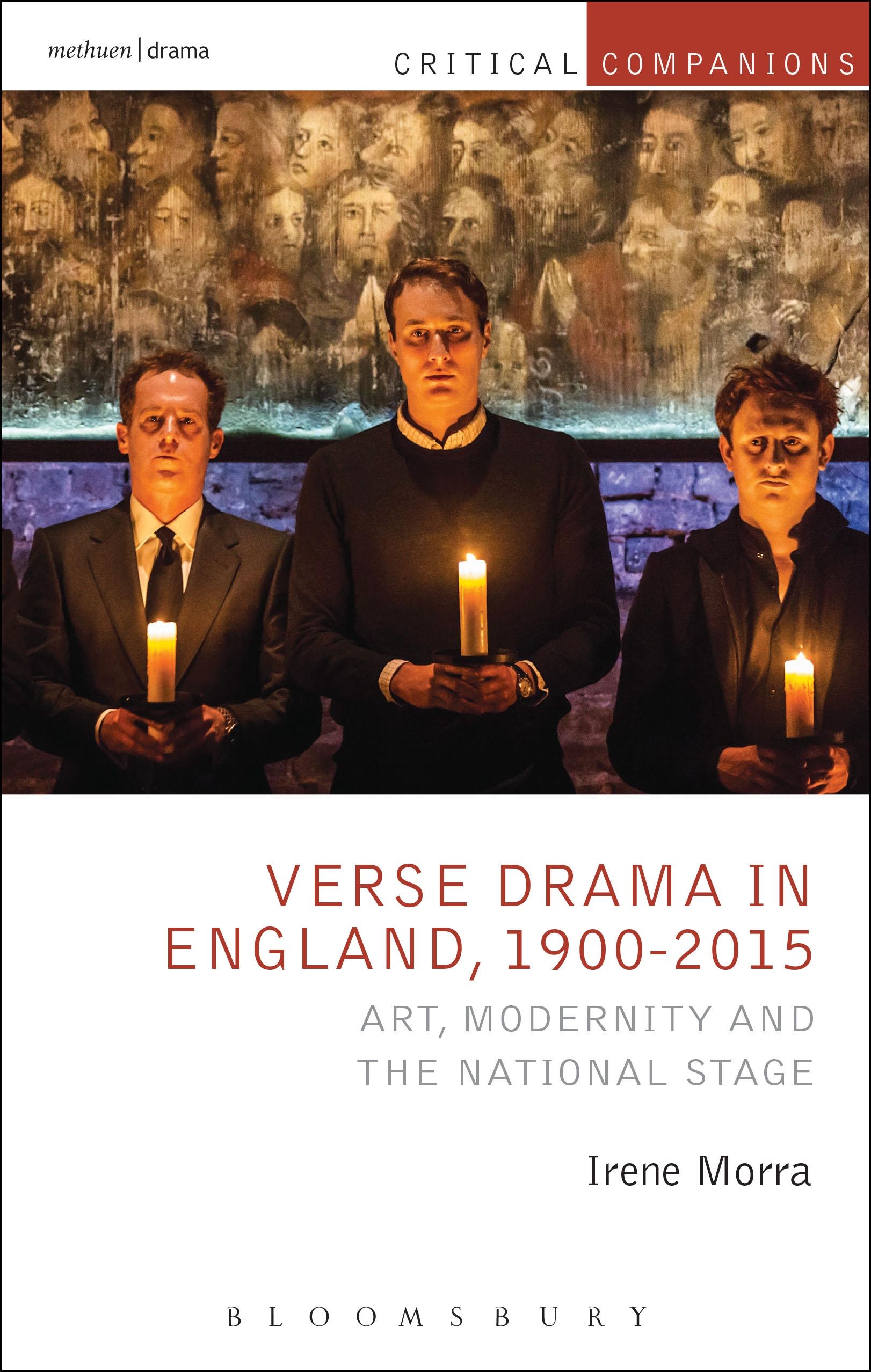
Verse Drama in England, 1900-2015 provides a critical and historical exploration of a tradition of modern dramatic creativity that has received very little scholarly attention. Exploring the emergence of a distinctly modern verse drama at the turn of the century and its development into the twenty-first, it counters common assumptions that the form is a marginal, fundamentally outdated curiosity. Through an examination of the extensive and diverse engagement of literary and theatrical writers, directors and musicians, Irene Morra identifies in modern verse drama a consistent and often prominent attempt to expand upon, revitalize, and redefine the contemporary English stage.
Dramatists discussed include Stephen Phillips, Gordon Bottomley, John Masefield, James Elroy Flecker, T. S. Eliot, W. H. Auden, Ronald Duncan, Christopher Fry, John Arden, Anne Ridler, Tony Harrison, Steven Berkoff, Caryl Churchill, and Mike Bartlett. The book explores the negotiation of these dramatists with the changing position of verse drama in relation to constructions of national and communal audience, aesthetic challenge, and dramatic heritage. Key to the study is the self-conscious positioning of many of these dramatists in relation to an assumed mainstream tradition – and the various critical responses that that positioning has provoked. The study advocates for a scholarly revaluation of what must be identified as an influential and overlooked tradition of aesthetic challenge and creativity.
Dramatists discussed include Stephen Phillips, Gordon Bottomley, John Masefield, James Elroy Flecker, T. S. Eliot, W. H. Auden, Ronald Duncan, Christopher Fry, John Arden, Anne Ridler, Tony Harrison, Steven Berkoff, Caryl Churchill, and Mike Bartlett. The book explores the negotiation of these dramatists with the changing position of verse drama in relation to constructions of national and communal audience, aesthetic challenge, and dramatic heritage. Key to the study is the self-conscious positioning of many of these dramatists in relation to an assumed mainstream tradition – and the various critical responses that that positioning has provoked. The study advocates for a scholarly revaluation of what must be identified as an influential and overlooked tradition of aesthetic challenge and creativity.
Pay easily by card, Klarna, Apple Pay or Google Pay. Not happy? You always have a 14-day money-back guarantee. Read more in our terms. If you have any questions, email us at hello@memmo.org.
Memmo makes studying easier – wherever you are in the world. We bring your course books and smart study tools together in one place: summaries, quizzes, podcasts and flashcards. Plus Ted, your study buddy who answers anything you wonder. Over 75,000 students already study here – built to help you learn faster and stress less.