
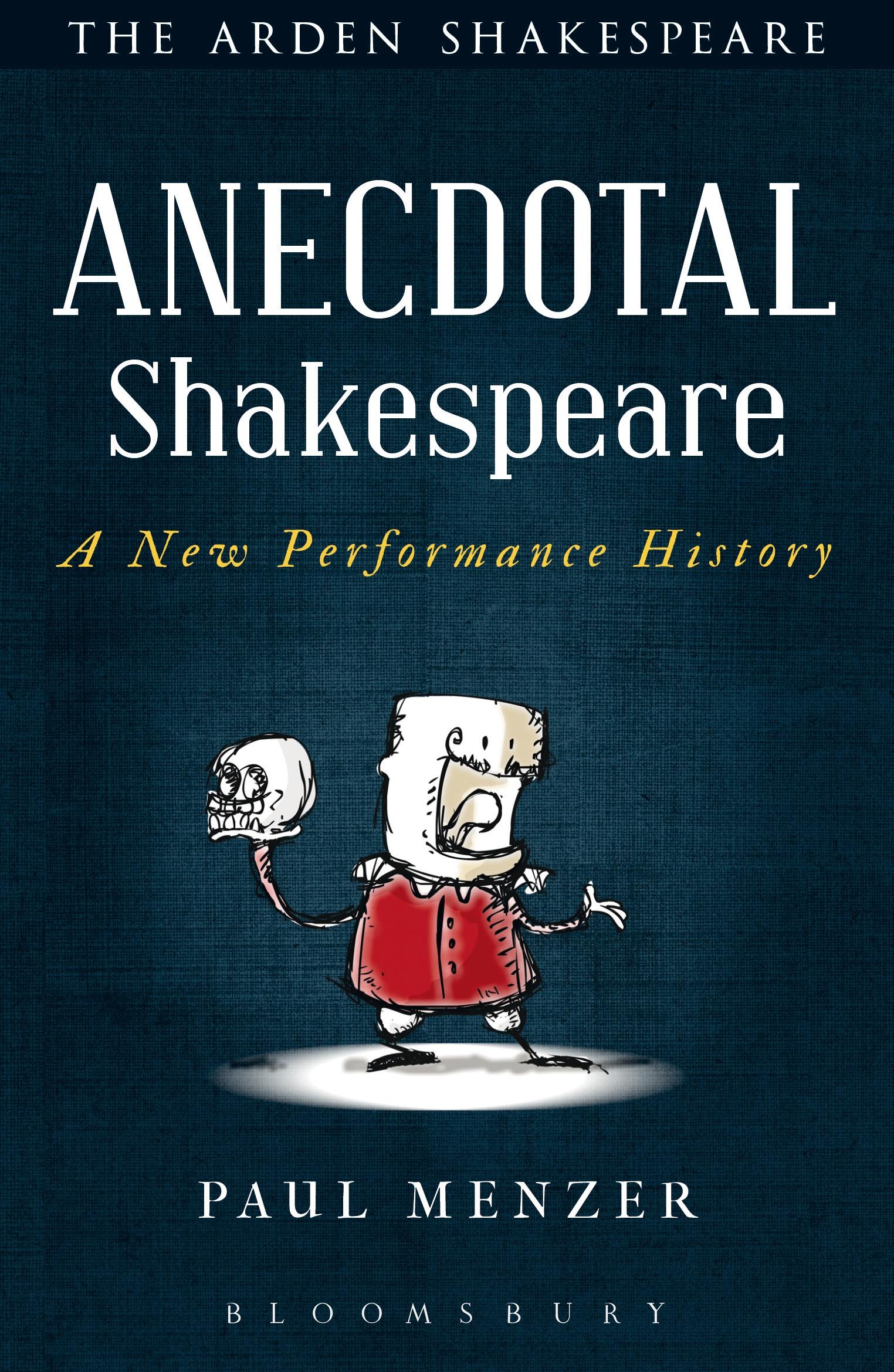
Shakespeare's four-hundred-year performance history is full of anecdotes – ribald, trivial, frequently funny, sometimes disturbing, and always but loosely allegiant to fact. Such anecdotes are nevertheless a vital index to the ways that Shakespeare's plays have generated meaning across varied times and in varied places. Furthermore, particular plays have produced particular anecdotes – stories of a real skull in Hamlet, superstitions about the name Macbeth, toga troubles in Julius Caesar – and therefore express something embedded in the plays they attend. Anecdotes constitute then not just a vital component of a play's performance history but a form of vernacular criticism by the personnel most intimately involved in their production: actors. These anecdotes are therefore every bit as responsive to and expressive of a play's meanings across time as the equally rich history of Shakespearean criticism or indeed the very performances these anecdotes treat. Anecdotal Shakespeare provides a history of post-Renaissance Shakespeare and performance, one not based in fact but no less full of truth.
Pay easily by card, Klarna, Apple Pay or Google Pay. Not happy? You always have a 14-day money-back guarantee. Read more in our terms. If you have any questions, email us at hello@memmo.org.
Memmo makes studying easier – wherever you are in the world. We bring your course books and smart study tools together in one place: summaries, quizzes, podcasts and flashcards. Plus Ted, your study buddy who answers anything you wonder. Over 75,000 students already study here – built to help you learn faster and stress less.