
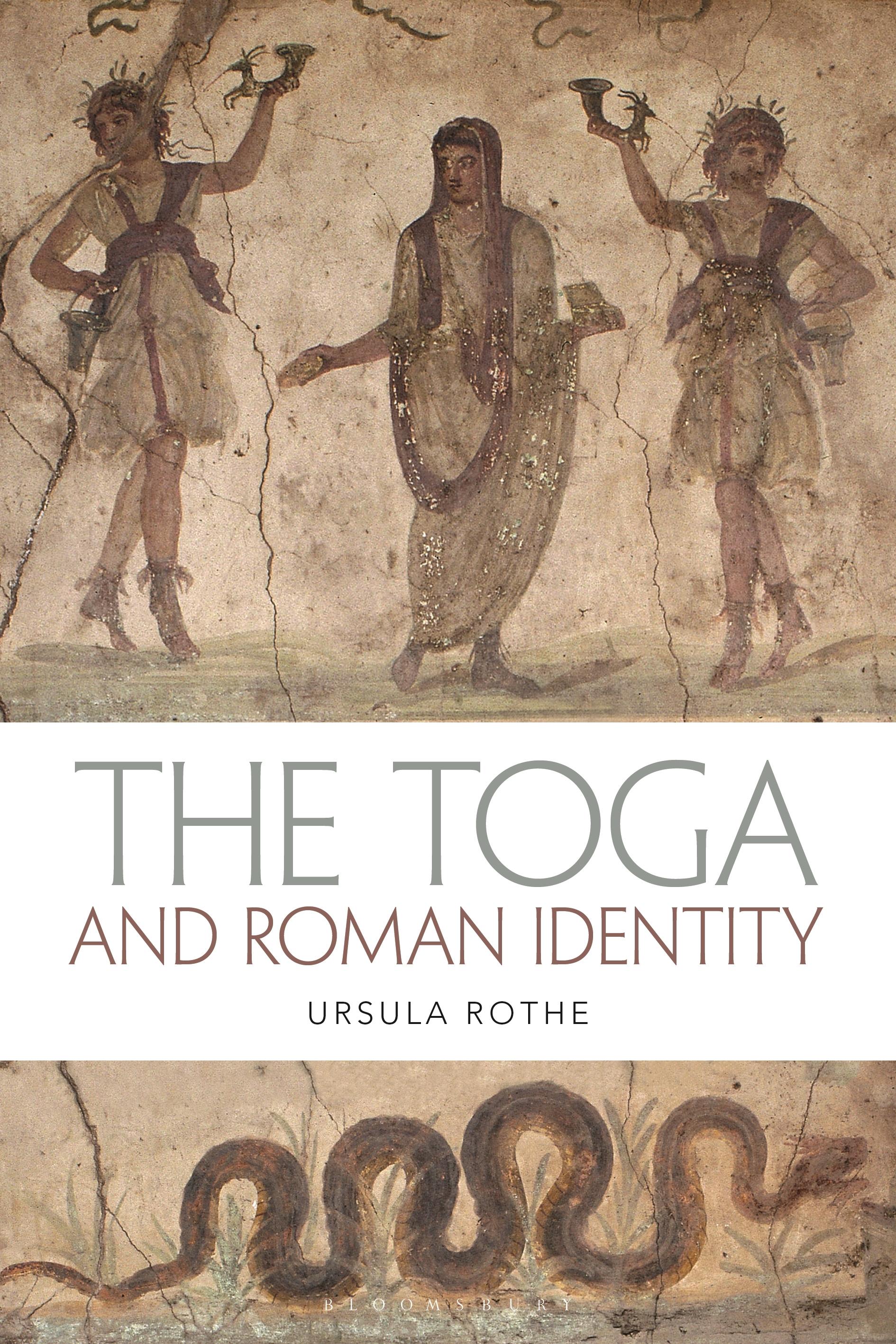
This book traces the toga's history from its origins in the Etruscan garment known as the tebenna, through its use as an everyday garment in the Republican period to its increasingly exclusive role as a symbol of privilege in the Principate and its decline in use in late antiquity. It aims to shift the scholarly view of the toga from one dominated by its role as a feature of Roman art to one in which it is seen as an everyday object and a highly charged symbol that in its various forms was central to the definition and negotiation of important gender, age and status boundaries, as well as political stances and ideologies.
It discusses the toga's significance not just in Rome itself, but also in the provinces, where it reveals ideas about cultural identity, status and the role of the Roman state. The Toga and Roman Identity shows that, by looking in detail at the history of Rome's national garment, we can gain a better understanding of the complexities of Roman identity for different groups in society, as well as what it meant, at any given time, to be 'Roman'.
It discusses the toga's significance not just in Rome itself, but also in the provinces, where it reveals ideas about cultural identity, status and the role of the Roman state. The Toga and Roman Identity shows that, by looking in detail at the history of Rome's national garment, we can gain a better understanding of the complexities of Roman identity for different groups in society, as well as what it meant, at any given time, to be 'Roman'.
Pay easily by card, Klarna, Apple Pay or Google Pay. Not happy? You always have a 14-day money-back guarantee. Read more in our terms. If you have any questions, email us at hello@memmo.org.
Memmo makes studying easier – wherever you are in the world. We bring your course books and smart study tools together in one place: summaries, quizzes, podcasts and flashcards. Plus Ted, your study buddy who answers anything you wonder. Over 75,000 students already study here – built to help you learn faster and stress less.