
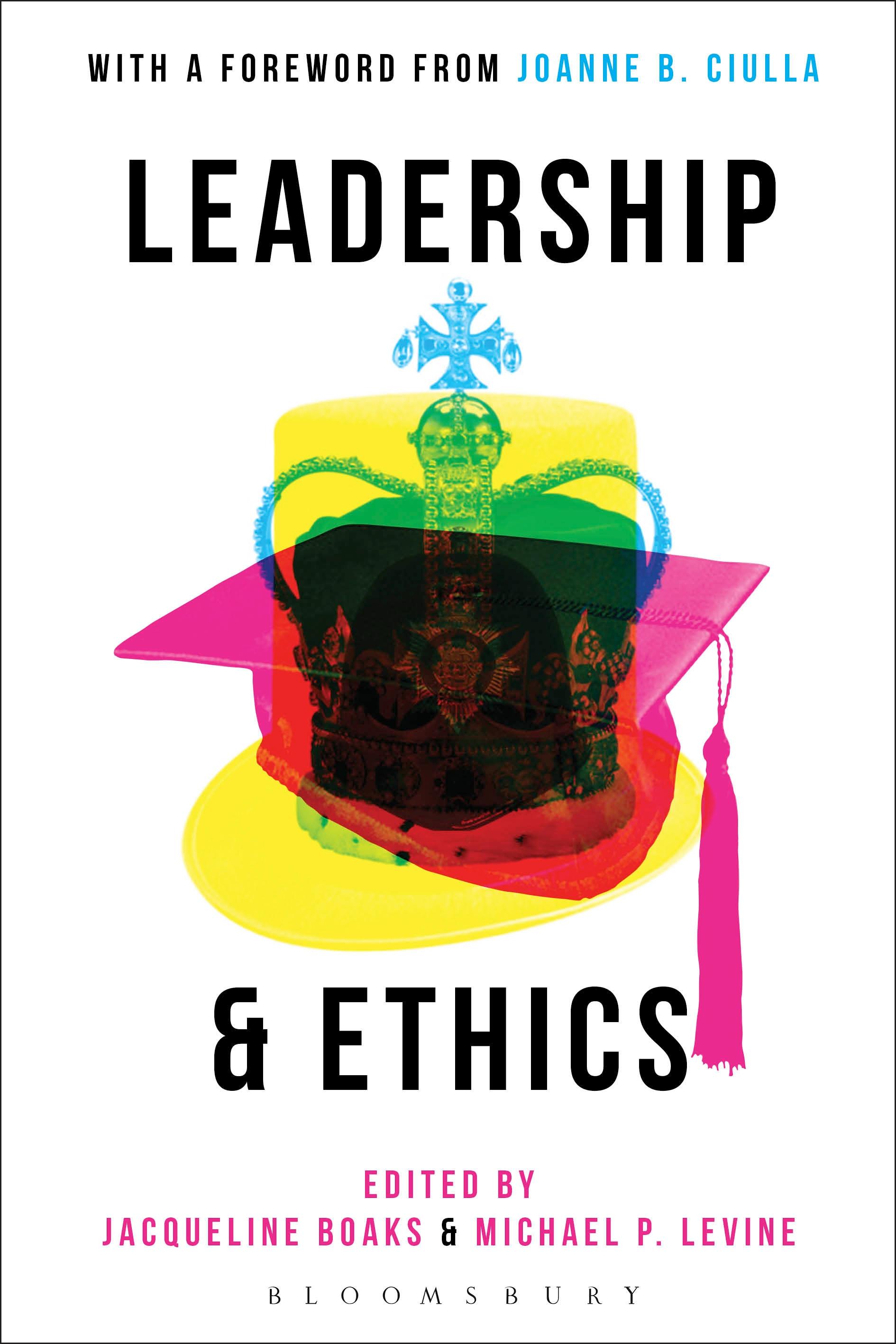
Contemporary discussions about the nature of leadership abound. But what constitutes a good leader? Are ethics and leadership even compatible?
Accounts of leadership often lie at either end of an ethical spectrum: on one end are accounts that argue ethics are intrinsically linked to leadership; on the other are (Machiavellian) views that deny any such link-intrinsic or extrinsic. Leadership appears to require a normative component of virtue; otherwise 'leadership' amounts to no more than mere power or influence. But are such accounts coherent and justifiable?
Approaching a controversial topic, this series of essays tackles key questions from a range of philosophical perspectives, considering the nature of leadership separate from any formal office or role and how it shapes the world we live in.
Accounts of leadership often lie at either end of an ethical spectrum: on one end are accounts that argue ethics are intrinsically linked to leadership; on the other are (Machiavellian) views that deny any such link-intrinsic or extrinsic. Leadership appears to require a normative component of virtue; otherwise 'leadership' amounts to no more than mere power or influence. But are such accounts coherent and justifiable?
Approaching a controversial topic, this series of essays tackles key questions from a range of philosophical perspectives, considering the nature of leadership separate from any formal office or role and how it shapes the world we live in.
Pay easily by card, Klarna, Apple Pay or Google Pay. Not happy? You always have a 14-day money-back guarantee. Read more in our terms. If you have any questions, email us at hello@memmo.org.
Memmo makes studying easier – wherever you are in the world. We bring your course books and smart study tools together in one place: summaries, quizzes, podcasts and flashcards. Plus Ted, your study buddy who answers anything you wonder. Over 75,000 students already study here – built to help you learn faster and stress less.