
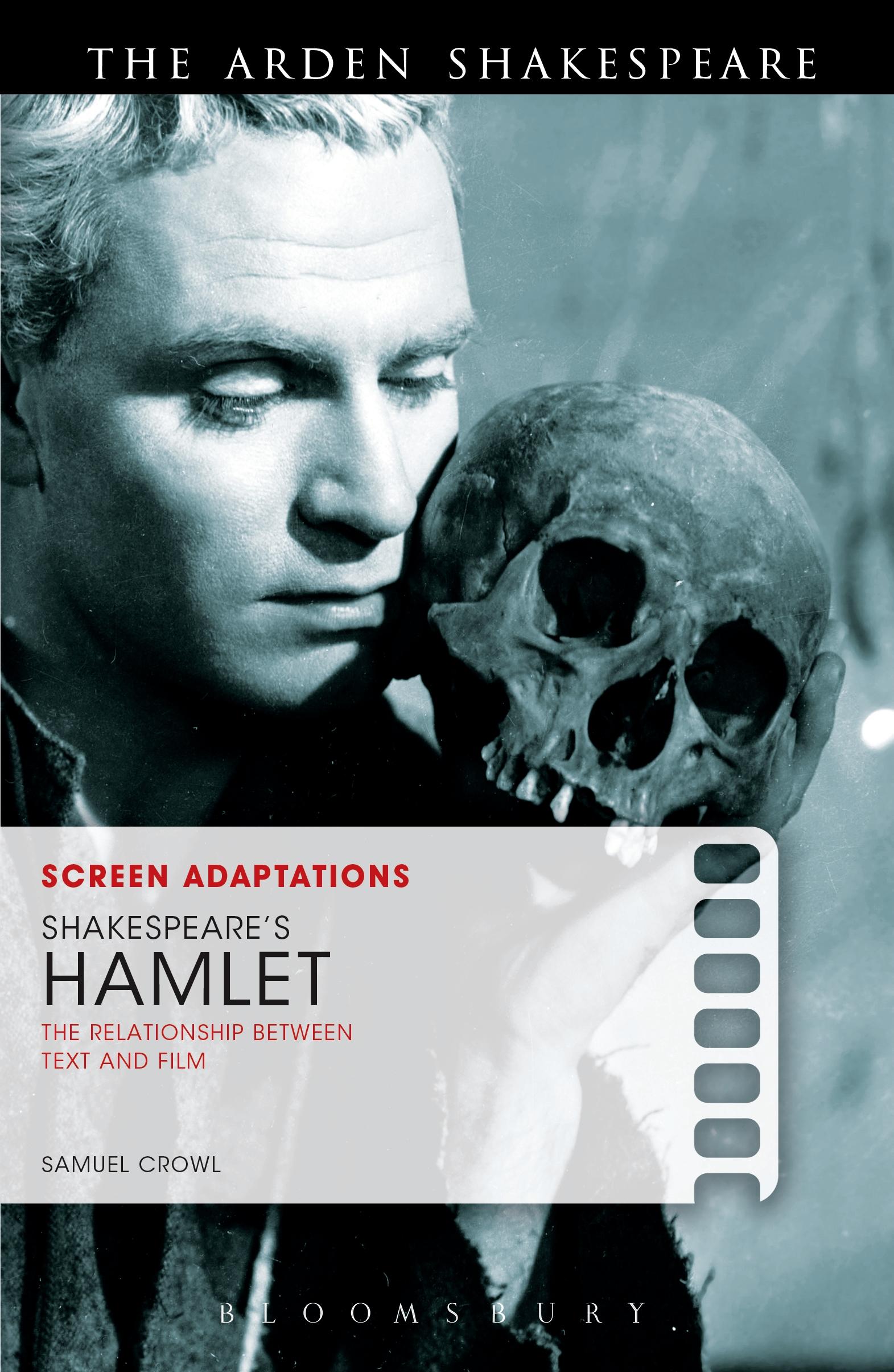
Hamlet is the most often produced play in the western literary canon, and a fertile global source for film adaptation. Samuel Crowl, a noted scholar of Shakespeare on film, unpacks the process of adapting from text to screen through concentrating on two sharply contrasting film versions of Hamlet by Laurence Olivier (1948) and Kenneth Branagh (1996). The films' socio-political contexts are explored, and the importance of their screenplay, film score, setting, cinematography and editing examined.
Offering an analysis of two of the most important figures in the history of film adaptations of Shakespeare, this study seeks to understand a variety of cinematic approaches to translating Shakespeare's “words, words, words” into film's particular grammar and rhetoric
Offering an analysis of two of the most important figures in the history of film adaptations of Shakespeare, this study seeks to understand a variety of cinematic approaches to translating Shakespeare's “words, words, words” into film's particular grammar and rhetoric
Pay easily by card, Klarna, Apple Pay or Google Pay. Not happy? You always have a 14-day money-back guarantee. Read more in our terms. If you have any questions, email us at hello@memmo.org.
Memmo makes studying easier – wherever you are in the world. We bring your course books and smart study tools together in one place: summaries, quizzes, podcasts and flashcards. Plus Ted, your study buddy who answers anything you wonder. Over 50,000 students already study here – built to help you learn faster and stress less.