
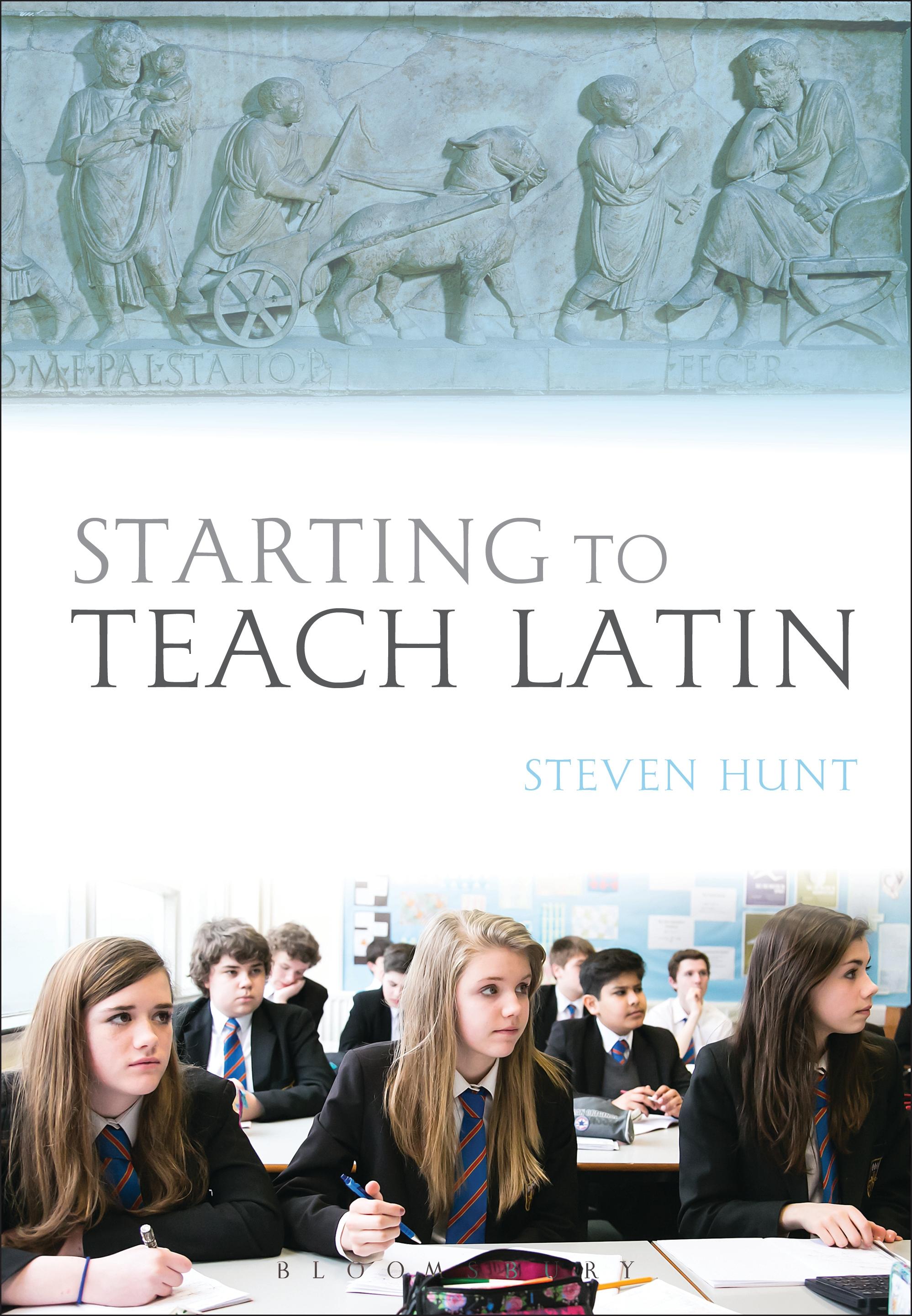
This handbook for teachers provides both practical, up-to-date guidance and a theoretical overview on a number of key topics in Latin teaching. Using a wealth of interviews, observations and pupil transcripts, Steven Hunt title utilizes case-study evidence of excellent practice in teaching and learning from a wide variety of institutions: from outreach programmes, community schools and academies in the UK, to New York Charter Schools, KIP schools and schools in Eastern Seaboard states in the USA.
Offering practical advice on topics such as essay writing, teaching controversial topics including women, slavery, ethnicity and social hierarchy, making use of primary sources and using ICT to advance language skills, the book also engages with broader questions of approach and theory. These include a survey of the three main approaches to Latin teaching: grammar-translation, communicative and reading approaches; explanation of cognitive and social approaches to learning; and analysis of the differences between intrinsic and extrinsic motivation. Moreover, traditional arguments about the value and purpose of learning Latin at school level are re-examined in the light of current educational thinking and government policy-making.
This book is invaluable for trainees, newly qualified teachers and more experienced practitioners looking for practical ideas and strategies to motivate and engage learners of Latin. A companion website www.startingtoteachlatin.org is under construction and will contain a range of resources and information for teachers.
Offering practical advice on topics such as essay writing, teaching controversial topics including women, slavery, ethnicity and social hierarchy, making use of primary sources and using ICT to advance language skills, the book also engages with broader questions of approach and theory. These include a survey of the three main approaches to Latin teaching: grammar-translation, communicative and reading approaches; explanation of cognitive and social approaches to learning; and analysis of the differences between intrinsic and extrinsic motivation. Moreover, traditional arguments about the value and purpose of learning Latin at school level are re-examined in the light of current educational thinking and government policy-making.
This book is invaluable for trainees, newly qualified teachers and more experienced practitioners looking for practical ideas and strategies to motivate and engage learners of Latin. A companion website www.startingtoteachlatin.org is under construction and will contain a range of resources and information for teachers.
Pay easily by card, Klarna, Apple Pay or Google Pay. Not happy? You always have a 14-day money-back guarantee. Read more in our terms. If you have any questions, email us at hello@memmo.org.
Memmo makes studying easier – wherever you are in the world. We bring your course books and smart study tools together in one place: summaries, quizzes, podcasts and flashcards. Plus Ted, your study buddy who answers anything you wonder. Over 50,000 students already study here – built to help you learn faster and stress less.