
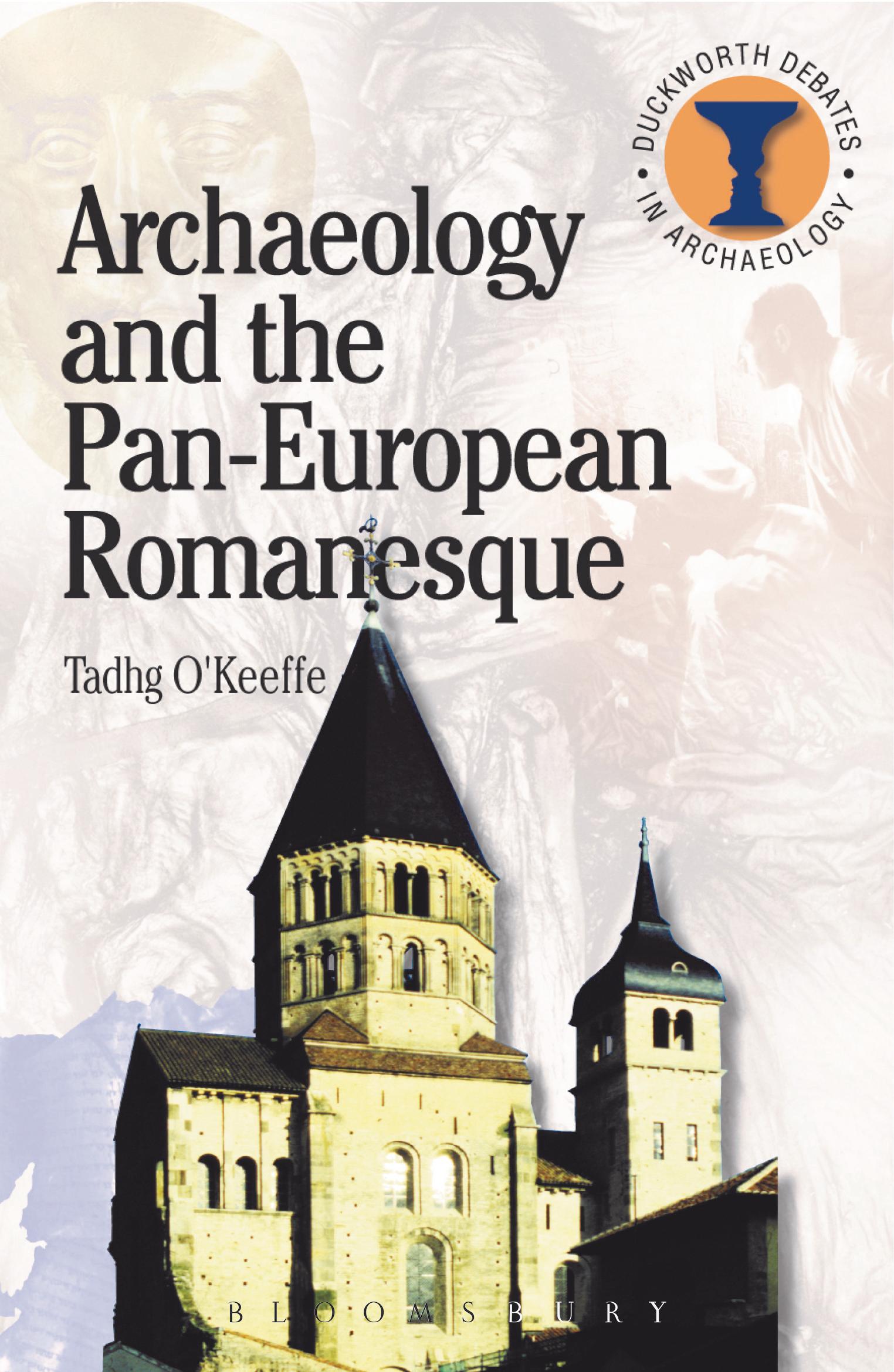
Romanesque is the style name given to the art and architecture of Europe in the eleventh and twelfth centuries. First used in the early nineteenth century to express the perceived indebtedness of the visual-artistic and architectural cultures of this period to their Classical antecedents, the term has survived two centuries of increasingly sophisticated readings of the relevant medieval buildings and objet d'art. The study of Romanesque as a stylistic phenomenon is now almost exclusively the preserve of art historians, particularly in the English-speaking world. Here 'the Romanesque' is subjected to a long overdue, theoretically-informed, archaeological inquiry. The ideological foundations and epistemological boundaries of Romanesque scholarship are critiqued, and the constructs of 'Romanesque' and 'Europe' are deconstructed, and alternative strategies for interpreting Romanesque's constituent material are mapped out. This book should, at the very least, illuminate the need for debate.
Pay easily by card, Klarna, Apple Pay or Google Pay. Not happy? You always have a 14-day money-back guarantee. Read more in our terms. If you have any questions, email us at hello@memmo.org.
Memmo makes studying easier – wherever you are in the world. We bring your course books and smart study tools together in one place: summaries, quizzes, podcasts and flashcards. Plus Ted, your study buddy who answers anything you wonder. Over 75,000 students already study here – built to help you learn faster and stress less.