
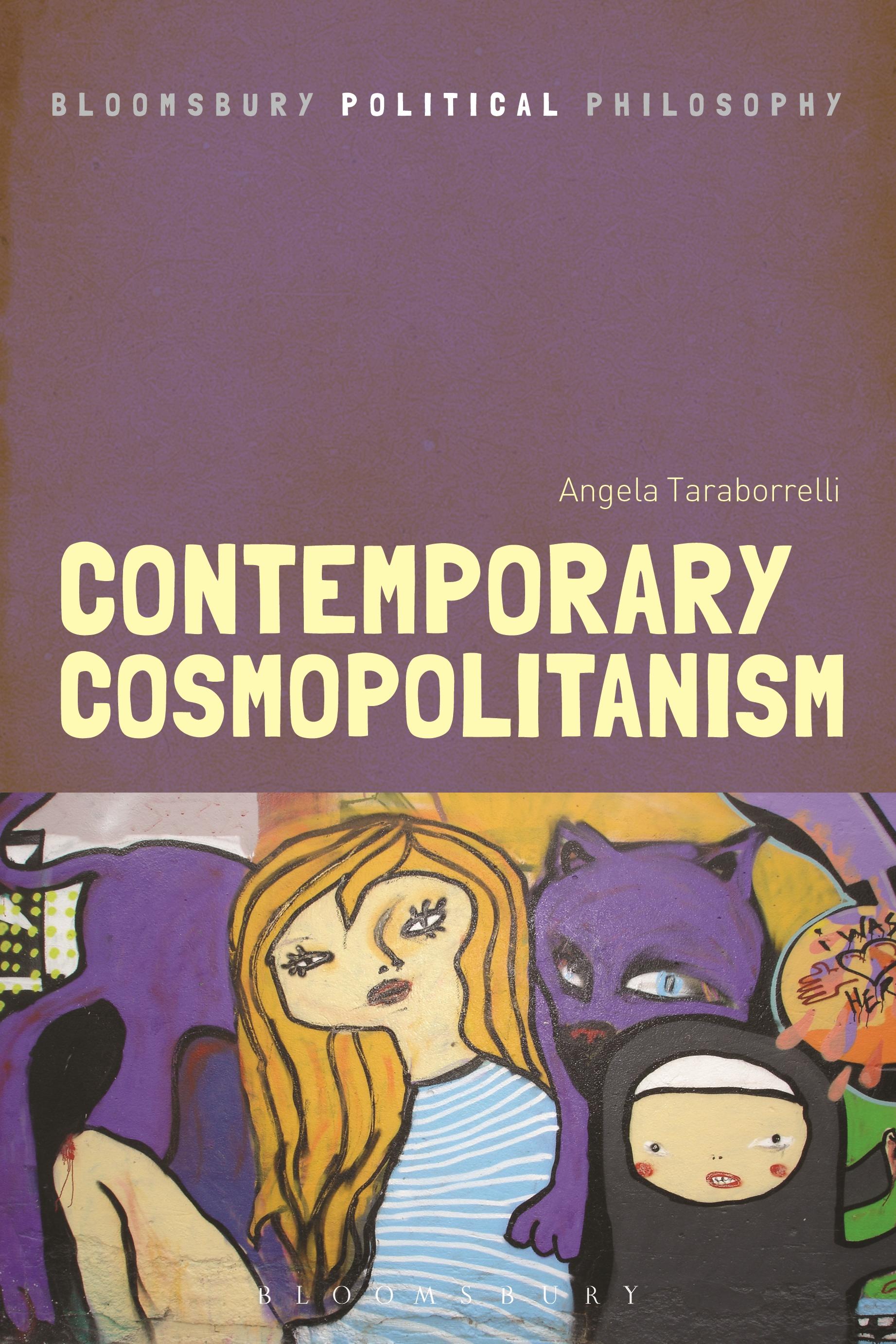
Contemporary Cosmopolitanism is the first, much-needed, introduction to contemporary political cosmopolitanism. Although it has its roots in classical philosophy and politics, Cosmopolitanism has undergone a major revival in the last forty years, stirring far-reaching and intense international debates.
Cosmopolitanism is a way of thought and life which entails an identification of the individual with the whole humankind, and implies a moral obligation to promote social and political justice at the global level. Contemporary cosmopolitanism reflects a global state that is already in itself highly cosmopolitan, and represents an attempt to solve the new problems raised by this situation, to reappraise a number of traditional conceptual categories in the light of changes having already occurred or that are still taking place, to develop new ones, as well as to encourage and guide political-institutional reform projects.
Taraborrelli provides clear descriptions of the three main forms of contemporary cosmopolitanism – moral, political-legal and cultural – described through the thought of various figures representative of the more significant approaches: Appiah, Archibugi, Beitz, Benhabib, Bhabha, Held, Kaldor, Nussbaum, Pogge, Sousa Santos. This book provides a sound and comprehensive basis for the study of cosmopolitanism, ideal as a starting point for the discussion of issues of widespread interest such as human rights, global justice, migration, multiculturalism.
Cosmopolitanism is a way of thought and life which entails an identification of the individual with the whole humankind, and implies a moral obligation to promote social and political justice at the global level. Contemporary cosmopolitanism reflects a global state that is already in itself highly cosmopolitan, and represents an attempt to solve the new problems raised by this situation, to reappraise a number of traditional conceptual categories in the light of changes having already occurred or that are still taking place, to develop new ones, as well as to encourage and guide political-institutional reform projects.
Taraborrelli provides clear descriptions of the three main forms of contemporary cosmopolitanism – moral, political-legal and cultural – described through the thought of various figures representative of the more significant approaches: Appiah, Archibugi, Beitz, Benhabib, Bhabha, Held, Kaldor, Nussbaum, Pogge, Sousa Santos. This book provides a sound and comprehensive basis for the study of cosmopolitanism, ideal as a starting point for the discussion of issues of widespread interest such as human rights, global justice, migration, multiculturalism.
Pay easily by card, Klarna, Apple Pay or Google Pay. Not happy? You always have a 14-day money-back guarantee. Read more in our terms. If you have any questions, email us at hello@memmo.org.
Memmo makes studying easier – wherever you are in the world. We bring your course books and smart study tools together in one place: summaries, quizzes, podcasts and flashcards. Plus Ted, your study buddy who answers anything you wonder. Over 50,000 students already study here – built to help you learn faster and stress less.