
CHOICE Outstanding Academic Title 2016
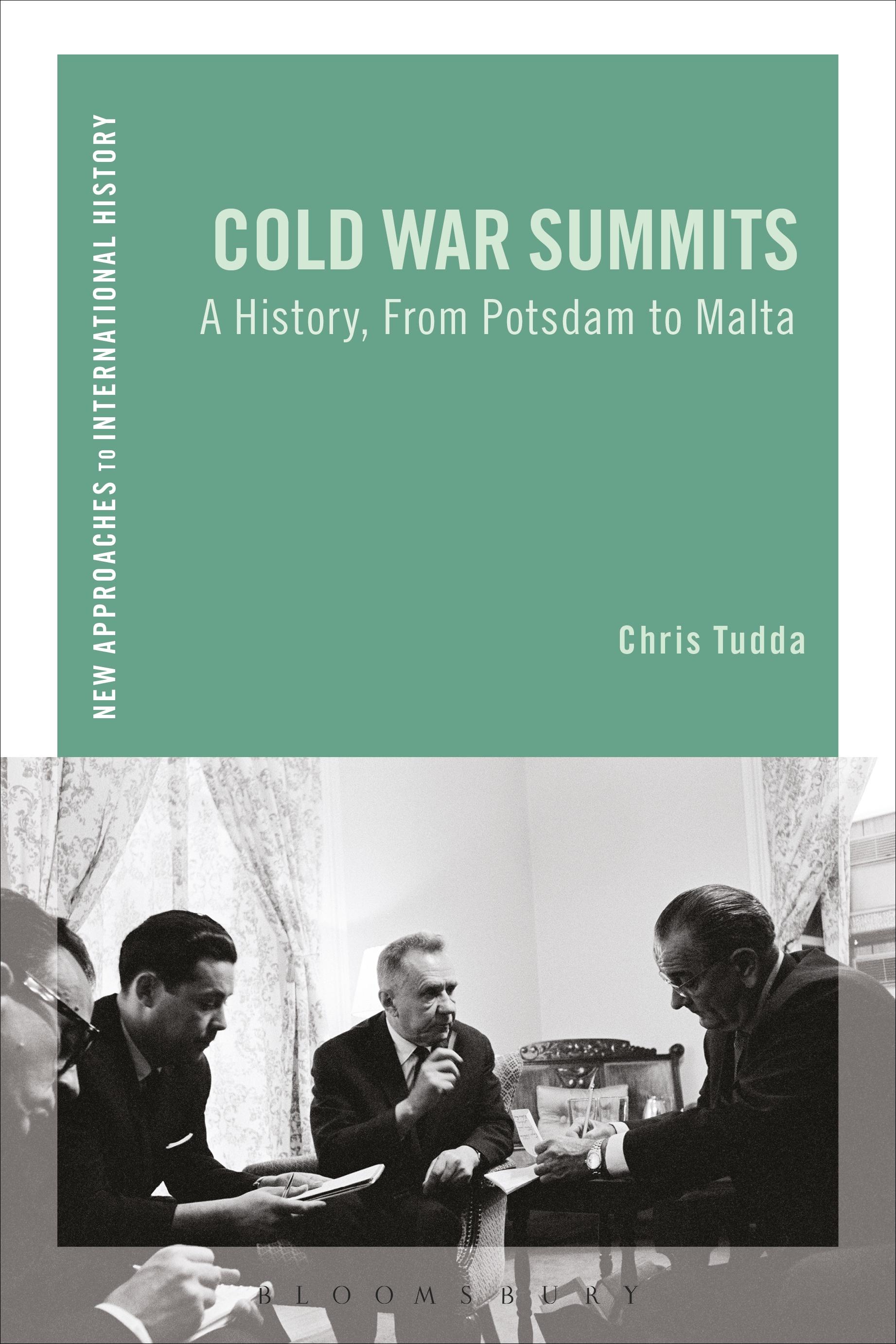
This book examines six summits spanning the beginning and the end of the Cold War. Using declassified documents from U.S., British, and other archives, Chris Tudda shows how the Cold War developed from an ideological struggle between capitalism and communism into a truly global struggle. From Potsdam in 1945, to Malta in 1989, the nuclear superpowers met to determine how to end World War II, manage the arms race, and ultimately, end the Cold War. Meanwhile, the newly independent nations of the "Third World," including the People's Republic of China, became active and respected members of the international community determined to manage their own fates independent of the superpowers.
The six summits - Potsdam (1945), Bandung (1955), Glassboro (1967), Beijing (1972), Vienna (1972), and Malta (1989) - are here examined together in a single volume for the first time. An introductory essay provides a historiographical analysis of Cold War summitry, while the conclusion ties the summits together and demonstrates how the history of the Cold War can be understood not only by examining the meetings between the superpowers, but also by analyzing how the developing nations became agents of change and thus affected international relations.
This book examines six summits spanning the beginning and the end of the Cold War. Using declassified documents from U.S., British, and other archives, Chris Tudda shows how the Cold War developed from an ideological struggle between capitalism and communism into a truly global struggle. From Potsdam in 1945, to Malta in 1989, the nuclear superpowers met to determine how to end World War II, manage the arms race, and ultimately, end the Cold War. Meanwhile, the newly independent nations of the "Third World," including the People's Republic of China, became active and respected members of the international community determined to manage their own fates independent of the superpowers.
The six summits - Potsdam (1945), Bandung (1955), Glassboro (1967), Beijing (1972), Vienna (1972), and Malta (1989) - are here examined together in a single volume for the first time. An introductory essay provides a historiographical analysis of Cold War summitry, while the conclusion ties the summits together and demonstrates how the history of the Cold War can be understood not only by examining the meetings between the superpowers, but also by analyzing how the developing nations became agents of change and thus affected international relations.
Pay easily by card, Klarna, Apple Pay or Google Pay. Not happy? You always have a 14-day money-back guarantee. Read more in our terms. If you have any questions, email us at hello@memmo.org.
Memmo makes studying easier – wherever you are in the world. We bring your course books and smart study tools together in one place: summaries, quizzes, podcasts and flashcards. Plus Ted, your study buddy who answers anything you wonder. Over 50,000 students already study here – built to help you learn faster and stress less.