
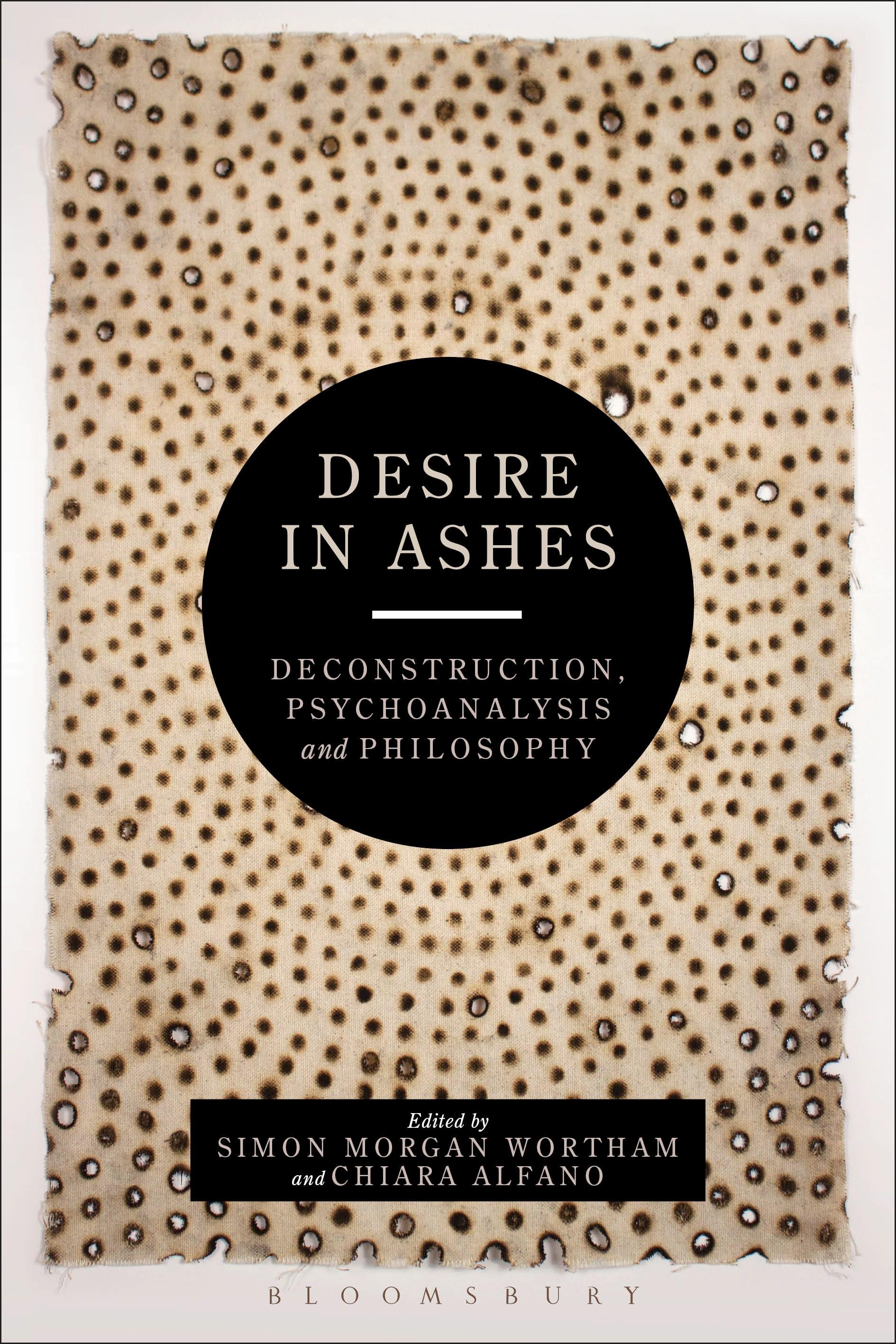
The indebtedness of contemporary thinkers to Derrida's project of deconstruction is unquestionable, whether as a source of inspiration or the grounds of critical antagonism.
This collection considers: how best to recall deconstruction? Rather than reduce it to an object of historical importance or memory, these essays analyze its significance in terms of complex matrices of desire; provoked in this way, deconstruction cannot be dismissed as 'dead', nor unproblematically defended as alive and well.
Repositioned on the threshold of life-death, deconstruction profoundly complicates the field of critical thought which still struggles to memorialize, inter, or reduce the deconstructive corpus to ashes.
This collection considers: how best to recall deconstruction? Rather than reduce it to an object of historical importance or memory, these essays analyze its significance in terms of complex matrices of desire; provoked in this way, deconstruction cannot be dismissed as 'dead', nor unproblematically defended as alive and well.
Repositioned on the threshold of life-death, deconstruction profoundly complicates the field of critical thought which still struggles to memorialize, inter, or reduce the deconstructive corpus to ashes.
Pay easily by card, Klarna, Apple Pay or Google Pay. Not happy? You always have a 14-day money-back guarantee. Read more in our terms. If you have any questions, email us at hello@memmo.org.
Memmo makes studying easier – wherever you are in the world. We bring your course books and smart study tools together in one place: summaries, quizzes, podcasts and flashcards. Plus Ted, your study buddy who answers anything you wonder. Over 50,000 students already study here – built to help you learn faster and stress less.