
Winner of the 2016 PROSE Award in Language and Linguistics
Data. Suddenly it is everywhere, and more and more of it is about us. The computing revolution has transformed our understanding of nature. Now it is transforming human behaviour.
For some, pervasive computing offers a powerful vehicle of introspection and self-improvement. For others it signals the arrival of a dangerous 'control society' in which surveillance is no longer the prerogative of discrete institutions but a simple fact of life.
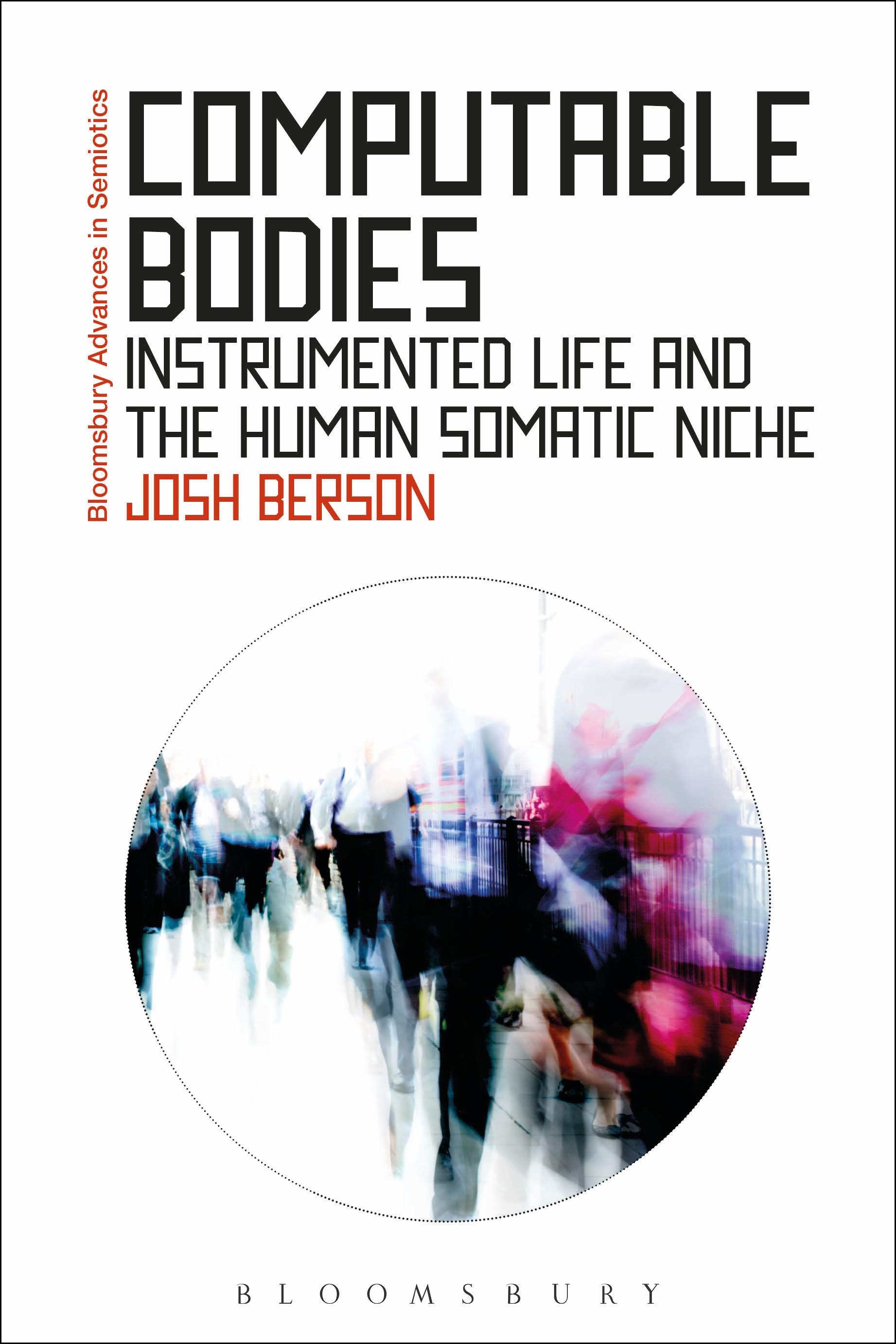
In Computable Bodies, anthropologist Josh Berson asks how the data revolution is changing what it means to be human. Drawing on fieldwork in the Quantified Self and polyphasic sleeping communities and integrating perspectives from interaction design, the history and philosophy of science, and medical and linguistic anthropology, he probes a world where everyday life is mediated by a proliferating array of sensor montages, where we adjust our social signals to make them legible to algorithms, and where old rubrics for gauging which features of the world are animate no longer hold.
Computable Bodies offers a vision of an anthropology for an age in which our capacity to generate data and share it over great distances is reconfiguring the body–world interface in ways scarcely imaginable a generation ago.
Data. Suddenly it is everywhere, and more and more of it is about us. The computing revolution has transformed our understanding of nature. Now it is transforming human behaviour.
For some, pervasive computing offers a powerful vehicle of introspection and self-improvement. For others it signals the arrival of a dangerous 'control society' in which surveillance is no longer the prerogative of discrete institutions but a simple fact of life.
In Computable Bodies, anthropologist Josh Berson asks how the data revolution is changing what it means to be human. Drawing on fieldwork in the Quantified Self and polyphasic sleeping communities and integrating perspectives from interaction design, the history and philosophy of science, and medical and linguistic anthropology, he probes a world where everyday life is mediated by a proliferating array of sensor montages, where we adjust our social signals to make them legible to algorithms, and where old rubrics for gauging which features of the world are animate no longer hold.
Computable Bodies offers a vision of an anthropology for an age in which our capacity to generate data and share it over great distances is reconfiguring the body–world interface in ways scarcely imaginable a generation ago.
Pay easily by card, Klarna, Apple Pay or Google Pay. Not happy? You always have a 14-day money-back guarantee. Read more in our terms. If you have any questions, email us at hello@memmo.org.
Memmo makes studying easier – wherever you are in the world. We bring your course books and smart study tools together in one place: summaries, quizzes, podcasts and flashcards. Plus Ted, your study buddy who answers anything you wonder. Over 50,000 students already study here – built to help you learn faster and stress less.