
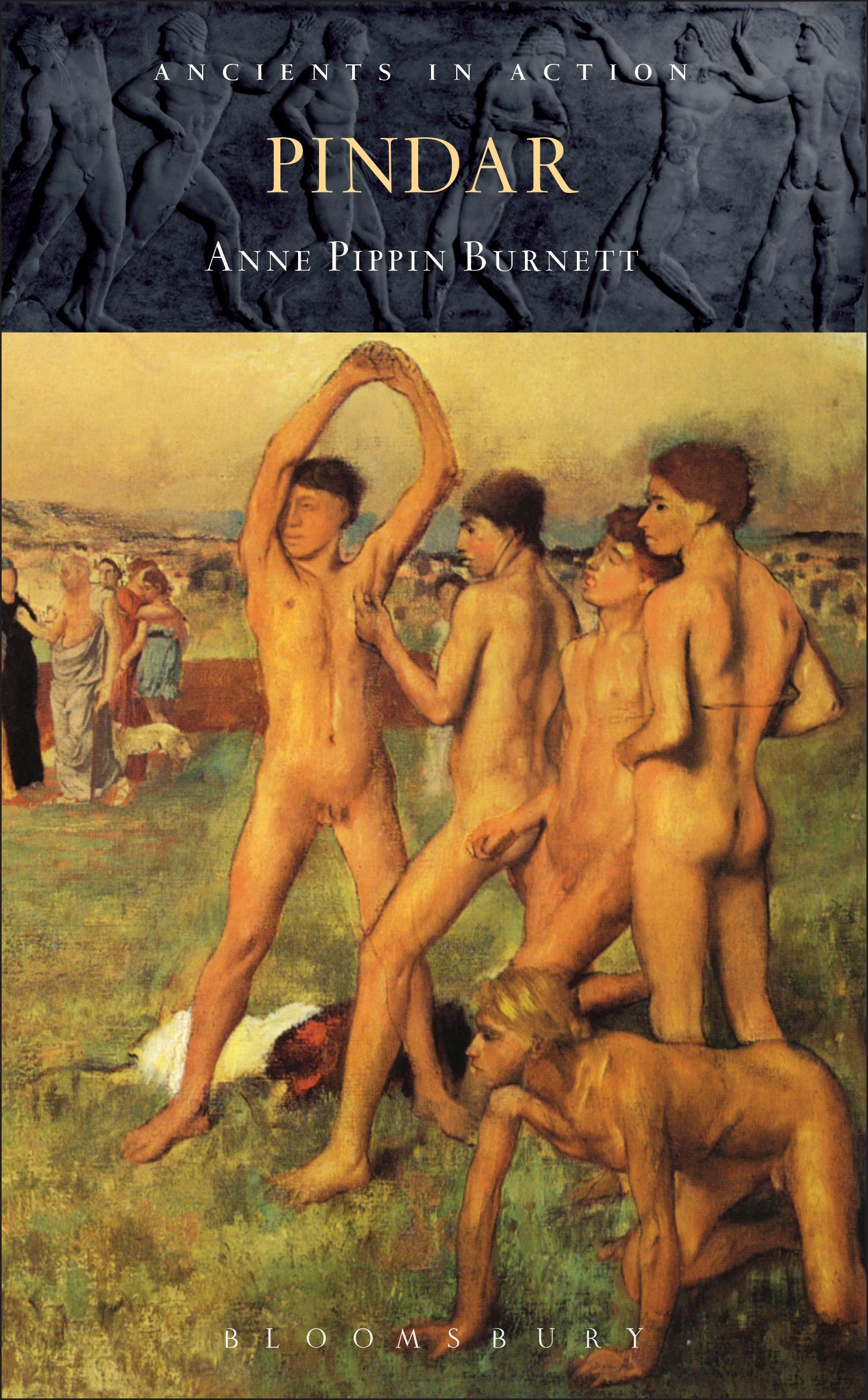
Of all the lyric poets of ancient Greece, Pindar is the one whose work has been best preserved. His odes to victorious Greek athletes were entertainments designed for performance in a hospitable atmosphere of drinking, dining and jokes. The victor has known the favour of the god whose contest he entered, and has brought back pan-Hellenic fame to his family, friends and city. To extend this glory and make it permanent, he has commissioned a song of praise, had dancers trained to sing it, and summoned an audience of kinsmen, neighbours and friends to enjoy it. Pindar's odes contain invocations and prayers, but their most characteristic effects are achieved thhrough the depiction of fragments of myth. Anne Pippin Burnett argues that these passages were meant neither as mere decoration nor as moral instruction, but served rather as a dramatic mechanism by which dancers brought an experience of another world to guests gathered in the banqueting suite of the victor.
Pay easily by card, Klarna, Apple Pay or Google Pay. Not happy? You always have a 14-day money-back guarantee. Read more in our terms. If you have any questions, email us at hello@memmo.org.
Memmo makes studying easier – wherever you are in the world. We bring your course books and smart study tools together in one place: summaries, quizzes, podcasts and flashcards. Plus Ted, your study buddy who answers anything you wonder. Over 75,000 students already study here – built to help you learn faster and stress less.