
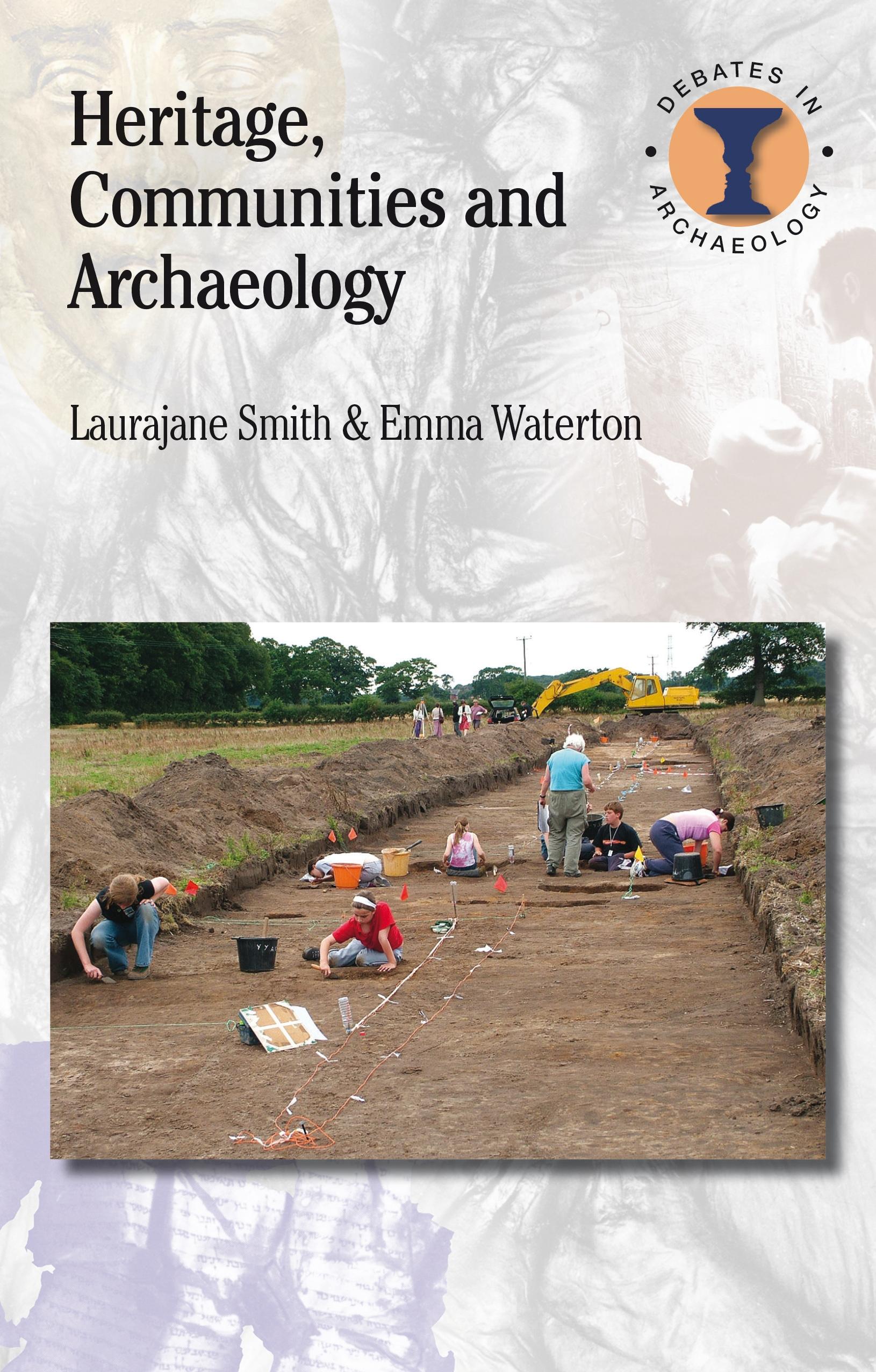
This book traces the development of 'community archaeology', identifying both its advantages and disadvantages by describing how and why tensions have arisen between archaeological and community understandings of the past. The focus of this book is the conceptual disjunction between heritage and data and the problems this poses for both archaeologists and communities in communicating and engaging with each other. In order to explain the extent of the miscommunication that can occur, the authors examine the ways in which a range of community groups, including communities of expertise, define and negotiate memory and identity. Importantly, they explore the ways in which these expressions are used, or are taken up, in struggles over cultural recognition - and ultimately, the practical, ethical, political and theoretical implications this has for archaeologists engaging in community work. Finally, they argue that there are very real advantages for archaeological research, theory and practice to be gained from engaging with communities.
Pay easily by card, Klarna, Apple Pay or Google Pay. Not happy? You always have a 14-day money-back guarantee. Read more in our terms. If you have any questions, email us at hello@memmo.org.
Memmo makes studying easier – wherever you are in the world. We bring your course books and smart study tools together in one place: summaries, quizzes, podcasts and flashcards. Plus Ted, your study buddy who answers anything you wonder. Over 75,000 students already study here – built to help you learn faster and stress less.