
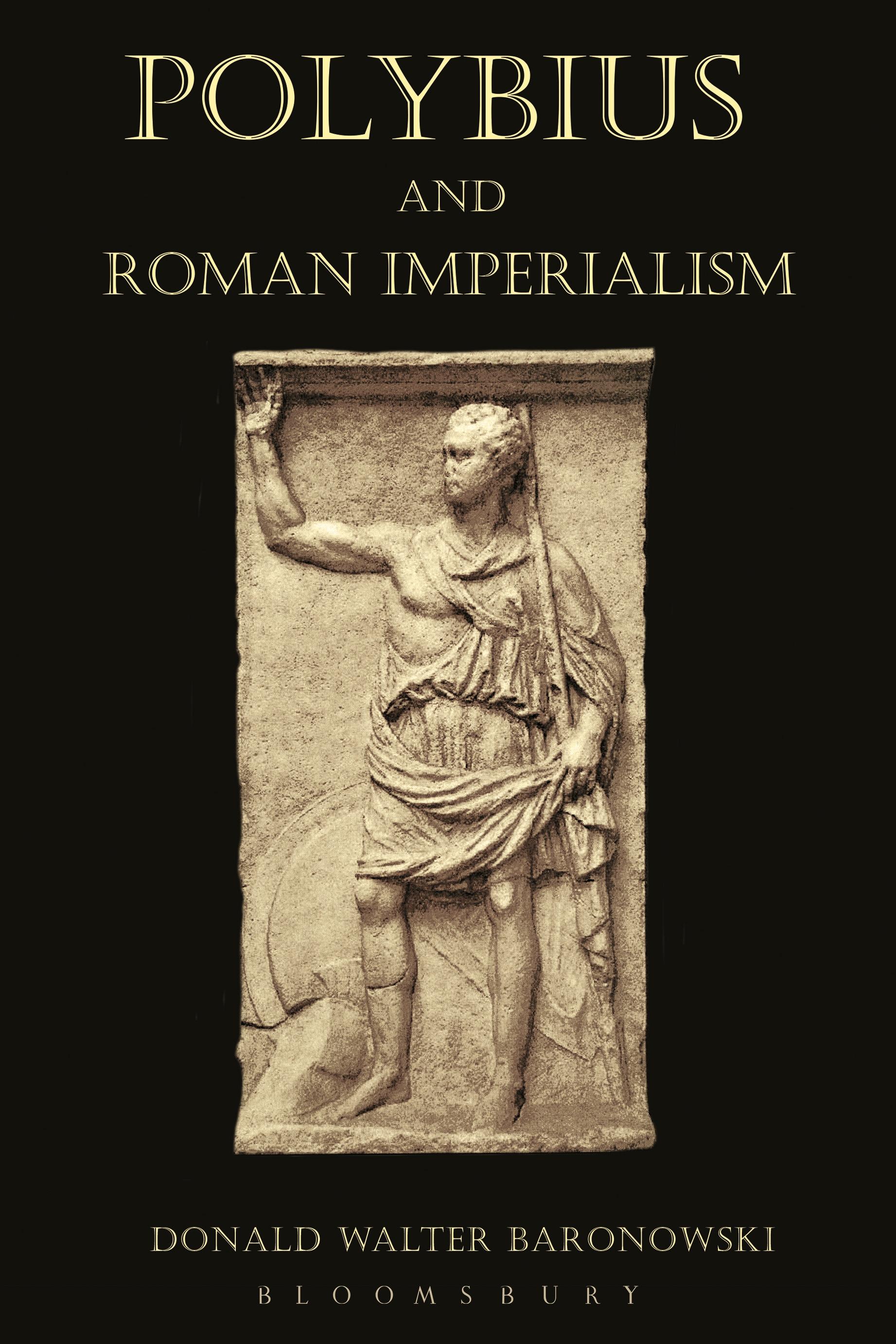
Polybius and Roman Imperialism explores in depth the complexity of the Greek historian Polybius'
views on the expansion of Roman power. Although he considered imperialism intrinsically noble, and both admired and supported Roman domination, Polybius also evinced detachment from the ruling power. This detachment came in different forms: personal, cultural, patriotic and cultural.
In general, he believed that the Romans cited morally acceptable pretexts for declaring war, observed justice in other aspects of foreign policy, and practised beneficence and moderation in their dealings with subject nations. Even with less than half of the original text surviving, the author reveals Polybius' personality and political philosophy.
views on the expansion of Roman power. Although he considered imperialism intrinsically noble, and both admired and supported Roman domination, Polybius also evinced detachment from the ruling power. This detachment came in different forms: personal, cultural, patriotic and cultural.
In general, he believed that the Romans cited morally acceptable pretexts for declaring war, observed justice in other aspects of foreign policy, and practised beneficence and moderation in their dealings with subject nations. Even with less than half of the original text surviving, the author reveals Polybius' personality and political philosophy.
Pay easily by card, Klarna, Apple Pay or Google Pay. Not happy? You always have a 14-day money-back guarantee. Read more in our terms. If you have any questions, email us at hello@memmo.org.
Memmo makes studying easier – wherever you are in the world. We bring your course books and smart study tools together in one place: summaries, quizzes, podcasts and flashcards. Plus Ted, your study buddy who answers anything you wonder. Over 75,000 students already study here – built to help you learn faster and stress less.