
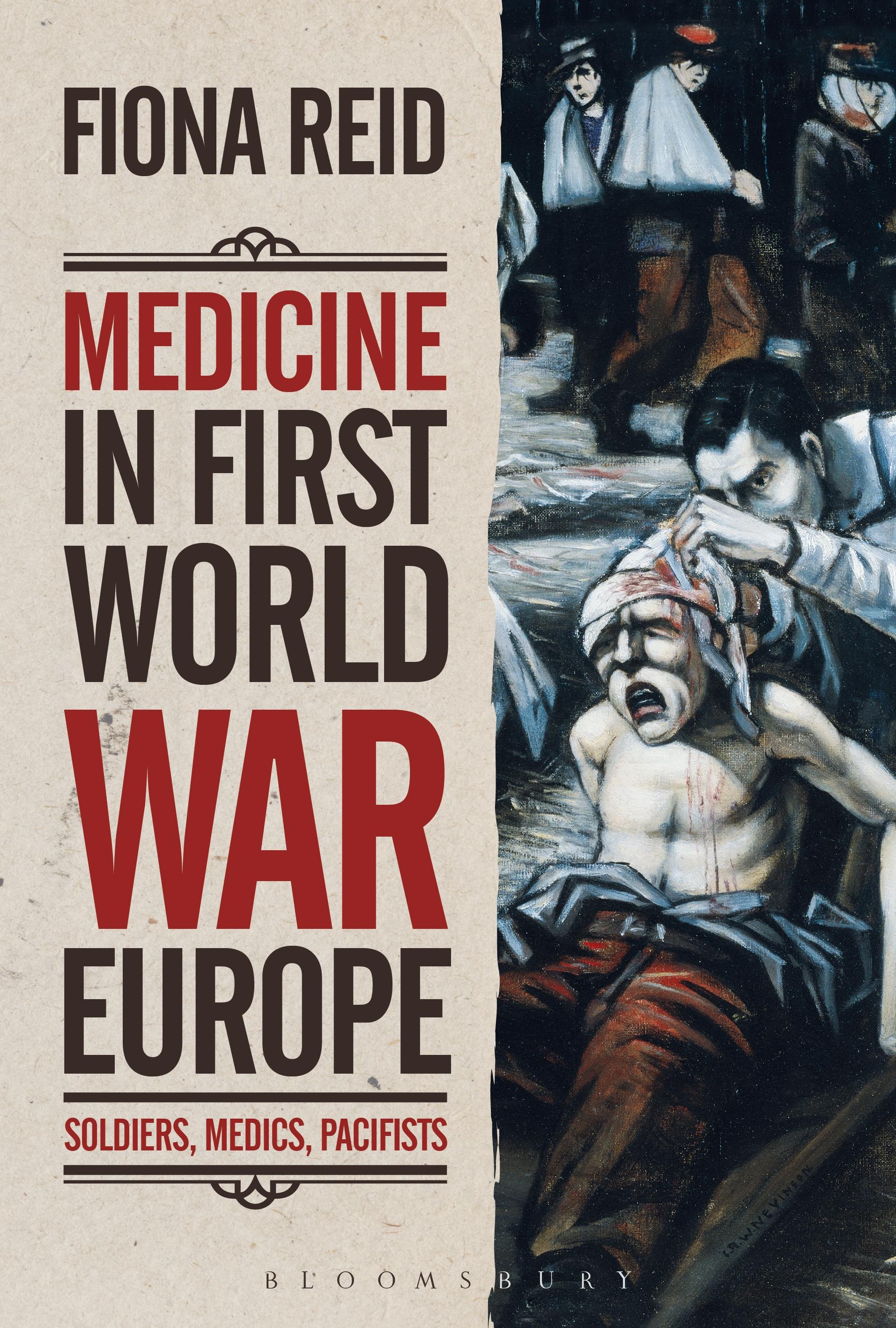
The casualty rates of the First World War were unprecedented: approximately 10 million combatants were wounded from Britain, France and Germany alone. In consequence, military-medical services expanded and the war ensured that medical professionals became firmly embedded within the armed services. In a situation of total war civilians on the home front came into more contact than before with medical professionals, and even pacifists played a significant medical role.
Medicine in First World War Europe re-visits the casualty clearing stations and the hospitals of the First World War, and tells the stories of those who were most directly involved: doctors, nurses, wounded men and their families. Fiona Reid explains how military medicine interacts with the concerns, the cultures and the behaviours of the civilian world, treating the history of wartime military medicine as an integral part of the wider social and cultural history of the First World War.
Medicine in First World War Europe re-visits the casualty clearing stations and the hospitals of the First World War, and tells the stories of those who were most directly involved: doctors, nurses, wounded men and their families. Fiona Reid explains how military medicine interacts with the concerns, the cultures and the behaviours of the civilian world, treating the history of wartime military medicine as an integral part of the wider social and cultural history of the First World War.
Pay easily by card, Klarna, Apple Pay or Google Pay. Not happy? You always have a 14-day money-back guarantee. Read more in our terms. If you have any questions, email us at hello@memmo.org.
Memmo makes studying easier – wherever you are in the world. We bring your course books and smart study tools together in one place: summaries, quizzes, podcasts and flashcards. Plus Ted, your study buddy who answers anything you wonder. Over 50,000 students already study here – built to help you learn faster and stress less.