
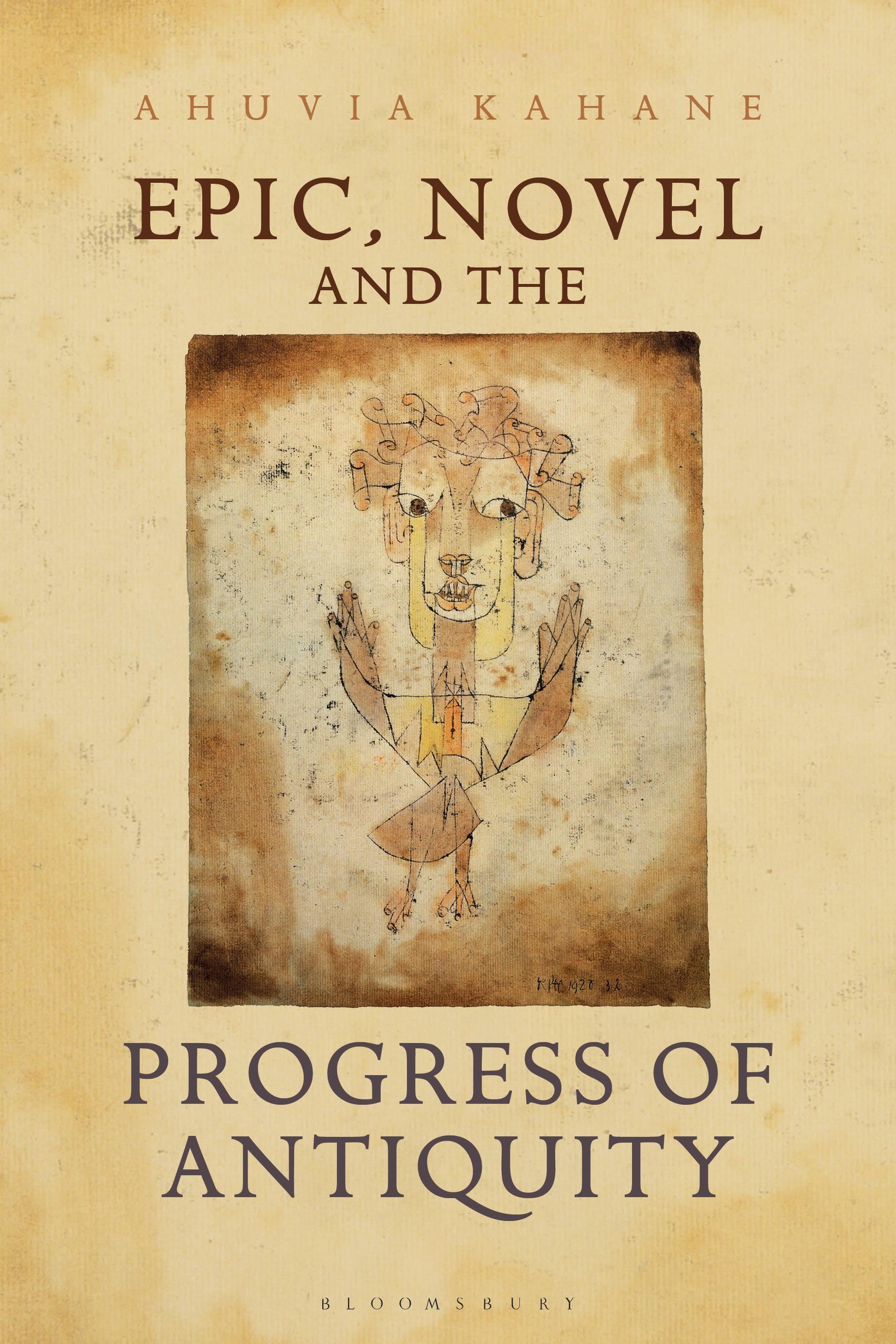
This book rethinks the characterization of two highly contrastive forms of ancient literary tradition - epic and novel - and re-frames their function as dynamic points of reference in the history of ideas and in our understanding of the interface between antiquity and the modern. Epic and novel have often been construed in terms of sharp contrasts: temporally, with the epic anchored in the canonical beginnings of classical literature, as opposed to the novel, which rises only late in the ancient era; hierarchically, with epic regularly occupying the canonical core while the novel often resided in the periphery; and in terms of specific highly contrasting attributes: 'sublime' vs. 'subversive'; an aspiration to 'oral' song vs. an intimate association with book culture; heroic vs. 'anti-heroic' or 'mock-heroic'.
Ahuvia Kahane argues for the fallibility of each of several major differential attributes, to the point of generic disintegration. He then constructs a new understanding of epic and novel in antiquity as part of a more fragile, dynamic framework, governed by intertextuality and openness on the one hand, and by fragmented interpretive traditions on the other.
Ahuvia Kahane argues for the fallibility of each of several major differential attributes, to the point of generic disintegration. He then constructs a new understanding of epic and novel in antiquity as part of a more fragile, dynamic framework, governed by intertextuality and openness on the one hand, and by fragmented interpretive traditions on the other.
Pay easily by card, Klarna, Apple Pay or Google Pay. Not happy? You always have a 14-day money-back guarantee. Read more in our terms. If you have any questions, email us at hello@memmo.org.
Memmo makes studying easier – wherever you are in the world. We bring your course books and smart study tools together in one place: summaries, quizzes, podcasts and flashcards. Plus Ted, your study buddy who answers anything you wonder. Over 75,000 students already study here – built to help you learn faster and stress less.