
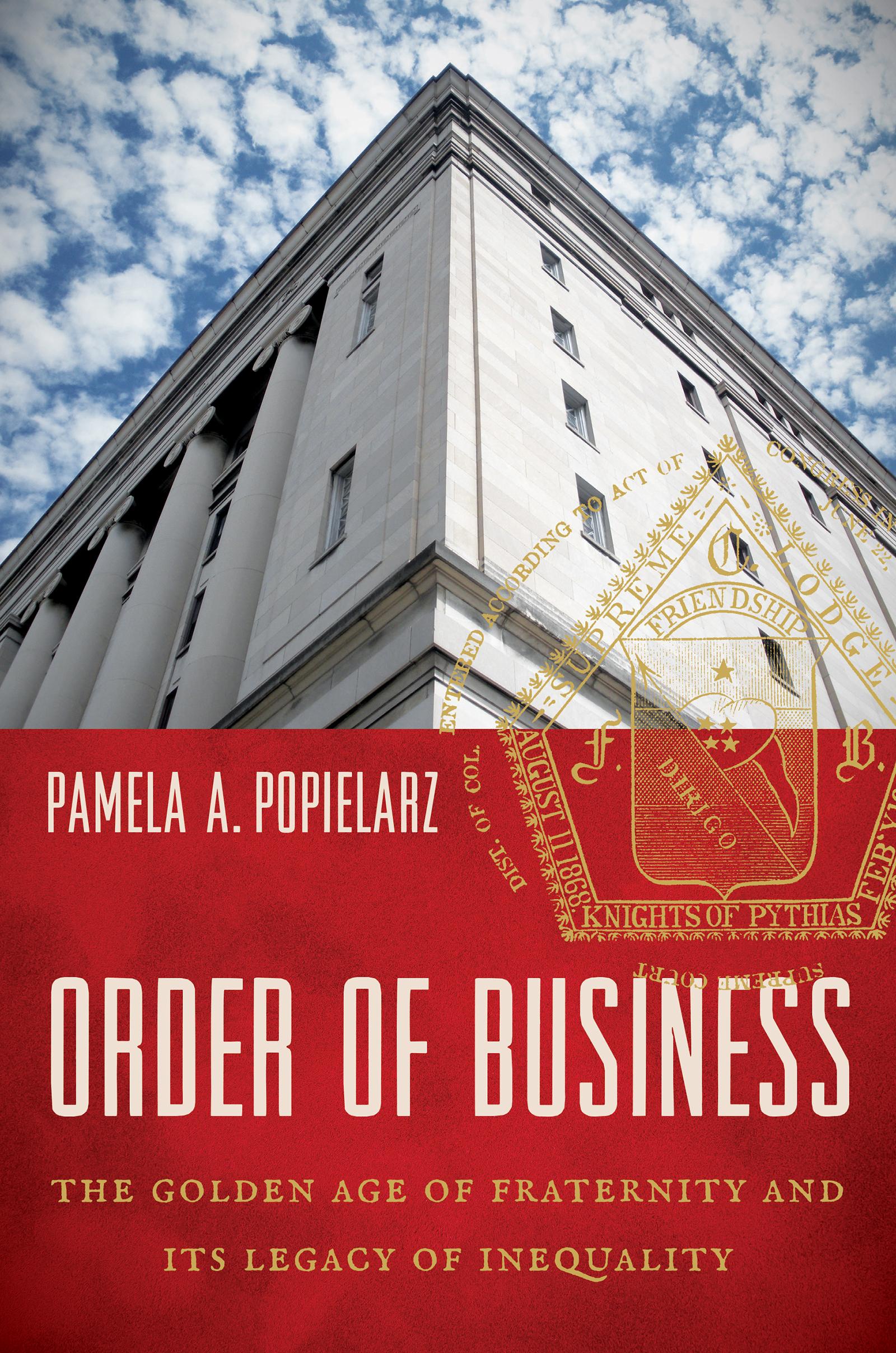
Though the industrial revolution pushed Americans into radically new modes of living, working, and organizing, patriarchy and white supremacy survived in the new institutions of the industrial economy. Fraternal orders flourished so spectacularly between the Civil War and World War I that this era—the peak of the industrial revolution—is known as the Golden Age of Fraternity. In this work of historically informed sociology, Pamela A. Popielarz explores the hidden impact of fraternal orders on systemic inequalities in American business. Most orders welcomed only white men, yet members ranged from capitalist elites to wage workers. Popielarz analyzes the Freemasons and the Knights of Pythias, illuminating who they were, what they aimed to do, and how they adopted novel business practices during the Golden Age. In doing so, she reveals the collective imprint of fraternal orders on business culture and offers new ways to understand contemporary racial and gender inequalities.
Pay easily by card, Klarna, Apple Pay or Google Pay. Not happy? You always have a 14-day money-back guarantee. Read more in our terms. If you have any questions, email us at hello@memmo.org.
Memmo makes studying easier – wherever you are in the world. We bring your course books and smart study tools together in one place: summaries, quizzes, podcasts and flashcards. Plus Ted, your study buddy who answers anything you wonder. Over 50,000 students already study here – built to help you learn faster and stress less.
You might also like
Buy the book0