
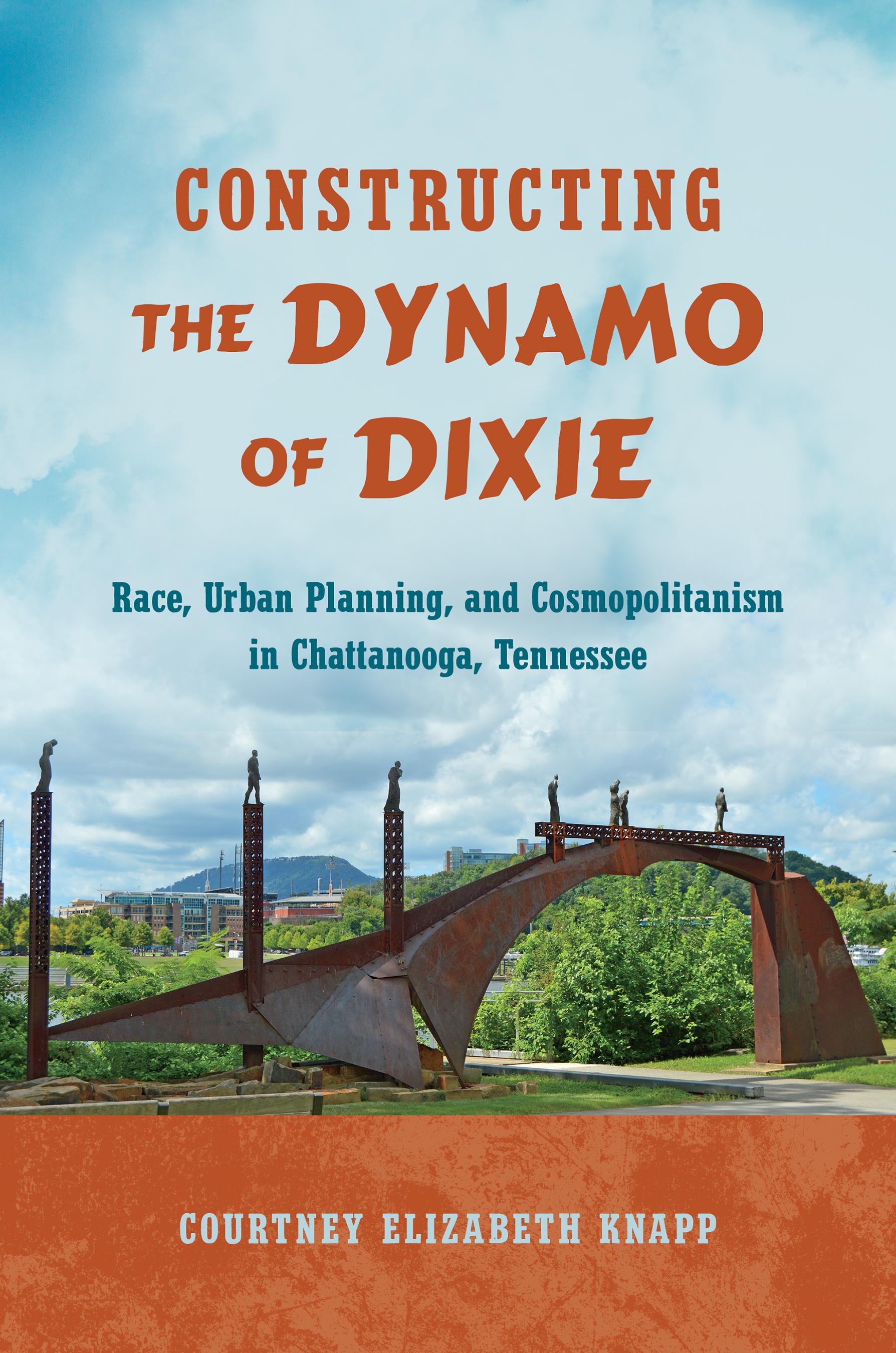
What can local histories of interracial conflict and collaboration teach us about the potential for urban equity and social justice in the future? Courtney Elizabeth Knapp chronicles the politics of gentrification and culture-based development in Chattanooga, Tennessee, by tracing the roots of racism, spatial segregation, and mainstream “cosmopolitanism” back to the earliest encounters between the Cherokee, African Americans, and white settlers. For more than three centuries, Chattanooga has been a site for multiracial interaction and community building; yet today public leaders have simultaneously restricted and appropriated many contributions of working-class communities of color within the city, exacerbating inequality and distrust between neighbors and public officials. Knapp suggests that “diasporic placemaking”—defined as the everyday practices through which uprooted people create new communities of security and belonging—is a useful analytical frame for understanding how multiracial interactions drive planning and urban development in diverse cities over time. By weaving together archival, ethnographic, and participatory action research techniques, she reveals the political complexities of a city characterized by centuries of ordinary resistance to racial segregation and uneven geographic development.
Pay easily by card, Klarna, Apple Pay or Google Pay. Not happy? You always have a 14-day money-back guarantee. Read more in our terms. If you have any questions, email us at hello@memmo.org.
Memmo makes studying easier – wherever you are in the world. We bring your course books and smart study tools together in one place: summaries, quizzes, podcasts and flashcards. Plus Ted, your study buddy who answers anything you wonder. Over 75,000 students already study here – built to help you learn faster and stress less.
You might also like
Buy the book0