
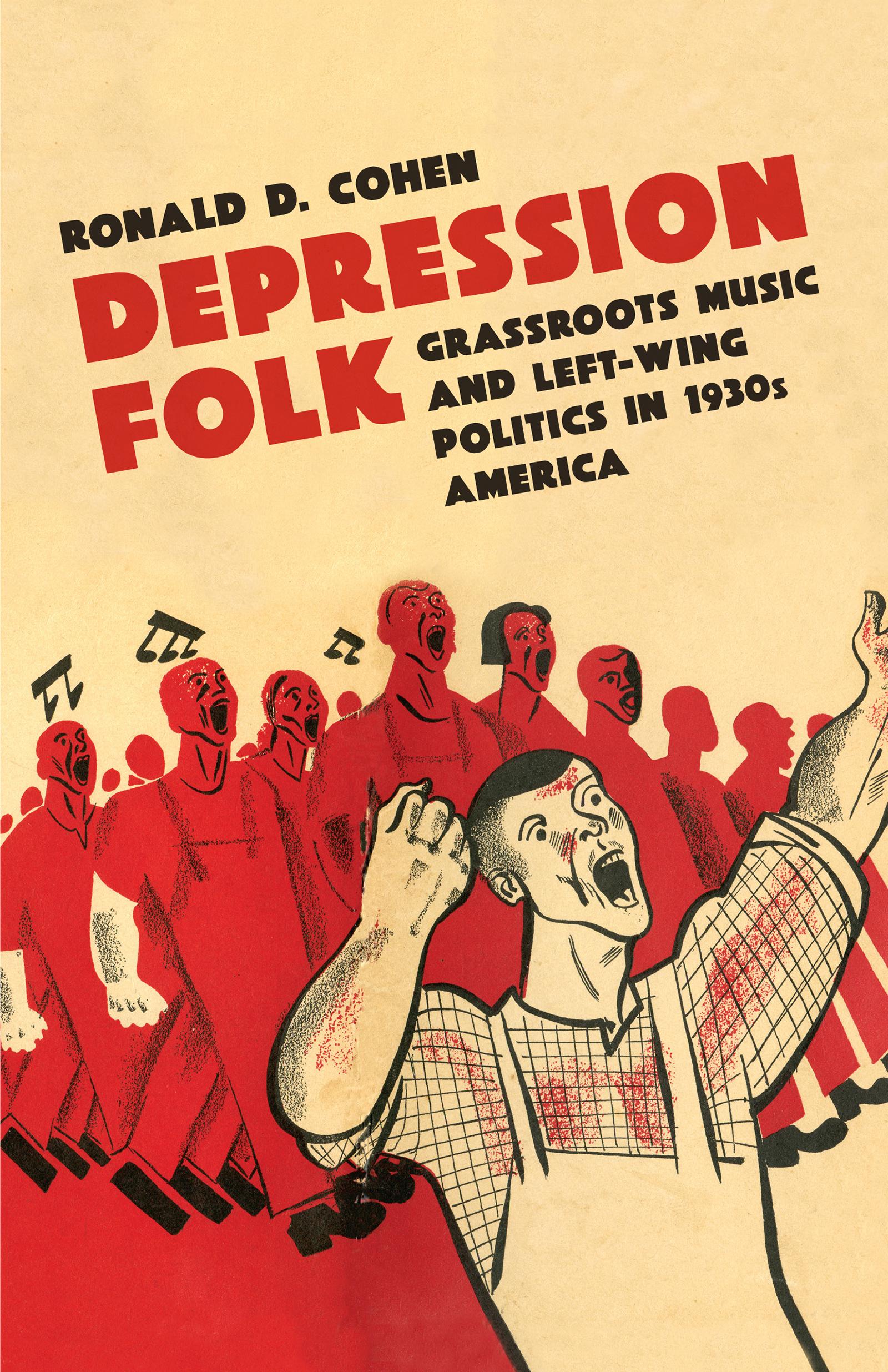
While music lovers and music historians alike understand that folk music played an increasingly pivotal role in American labor and politics during the economic and social tumult of the Great Depression, how did this relationship come to be? Ronald D. Cohen sheds new light on the complex cultural history of folk music in America, detailing the musicians, government agencies, and record companies that had a lasting impact during the 1930s and beyond. Covering myriad musical styles and performers, Cohen narrates a singular history that begins in nineteenth-century labor politics and popular music culture, following the rise of unions and Communism to the subsequent Red Scare and increasing power of the Conservative movement in American politics — with American folk and vernacular music centered throughout. Detailing the influence and achievements of such notable musicians as Pete Seeger, Big Bill Broonzy, and Woody Guthrie, Cohen explores the intersections of politics, economics, and race, using the roots of American folk music to explore one of the United States’ most troubled times. Becoming entangled with the ascending American left wing, folk music became synonymous with protest and sharing the troubles of real people through song.
Pay easily by card, Klarna, Apple Pay or Google Pay. Not happy? You always have a 14-day money-back guarantee. Read more in our terms. If you have any questions, email us at hello@memmo.org.
Memmo makes studying easier – wherever you are in the world. We bring your course books and smart study tools together in one place: summaries, quizzes, podcasts and flashcards. Plus Ted, your study buddy who answers anything you wonder. Over 50,000 students already study here – built to help you learn faster and stress less.
You might also like
Buy the book0