
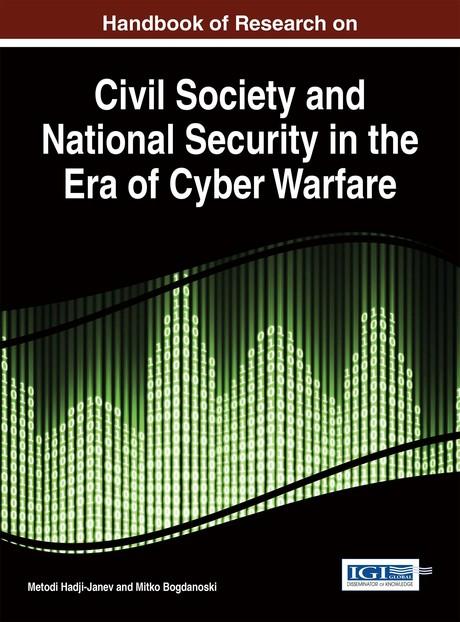
As the confluence of networks that is the modern Internet grows to encompass everything from nuclear reactors to home appliances, the affordances offered to the average citizen grow as well—but so, too, do the resources made available to those with malicious intent. Through the rise of Big Data and the Internet of Things, terrorist organizations today have been freed from geographic and logistical confines and now have more power than ever before to strike the average citizen directly at home. This, coupled with the inherently asymmetrical nature of cyberwarfare—which grants great advantage to the attacker—has created an unprecedented national security risk that both governments and their citizens are woefully ill-prepared to face. The Handbook of Research on Civil Society and National Security in the Era of Cyber Warfare addresses the problem of cyber terrorism head-on, first through a review of current literature, and then through a series of progressive proposals aimed at researchers, professionals, and policymakers. Touching on such subjects as cyber-profiling, hacktivism, and digital counterterrorism, this collection offers the tools to begin formulating a ground-up resiliency to cybersecurity threats that starts at the civilian level.
Pay easily by card, Klarna, Apple Pay or Google Pay. Not happy? You always have a 14-day money-back guarantee. Read more in our terms. If you have any questions, email us at hello@memmo.org.
Memmo makes studying easier – wherever you are in the world. We bring your course books and smart study tools together in one place: summaries, quizzes, podcasts and flashcards. Plus Ted, your study buddy who answers anything you wonder. Over 75,000 students already study here – built to help you learn faster and stress less.
You might also like
Buy the book0