
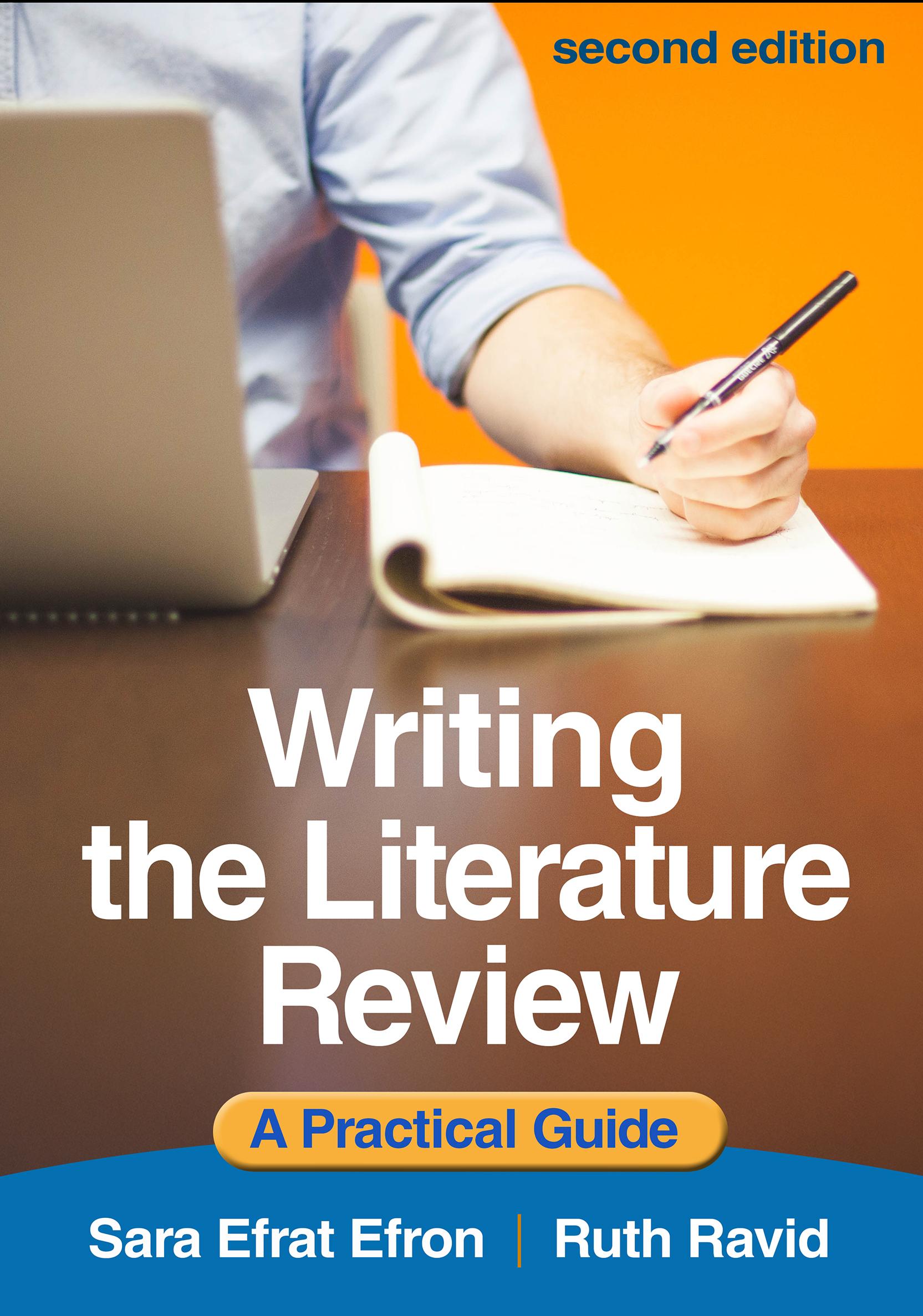
Taking the stress out of a challenging process, the first book to focus on crafting different types of literature reviews (systematic, traditional–narrative, and hermeneutic–phenomenological) is now in a revised and updated second edition. Sara Efrat Efron and Ruth Ravid explain the integral role of the literature review in a thesis, dissertation, term paper, or grant proposal, and guide writers to develop reviews that reflect their research questions, methodological choices (qualitative, quantitative, or mixed methods), and approaches to knowledge. The text provides a roadmap for each step of searching for, evaluating, analyzing, and synthesizing prior studies. It features examples of student work; excerpts from peer-reviewed articles; software suggestions for locating, organizing, and arranging sources; templates, checklists, vignettes, and group activities; and writing and organizational tips.
New to This Edition
- Chapter-opening vignettes that draw readers in to each chapter's content.
- New section on using AI in literature searches and expanded guidance for using electronic sources, such as EBSCO and Google Scholar.
- New or expanded discussions of constant comparative analysis, qualitative comparative analysis, finding and using gray literature, differences between literature reviews for class papers and research papers versus dissertations, the literature review across different dissertation formats, and more.
- New and updated literature examples throughout the book.
- Updated guidance for reference lists and in-text citations.
Pedagogical Features
- Chapter-opening vignettes that serve as advance organizers for each chapter.
- Checklists and "To Do" activities that break down key steps to take.
- Boxed examples, graphics that organize and visually illustrate key concepts, summary tables comparing techniques, and software suggestions.
- Group activities to further explore and apply the methods discussed in each chapter.
- Detailed directions for using four different organizing strategies: synthesis matrix, summary table, mapping, and topic outline.
- End-of-chapter summaries and "What's Next" sections.
- Assessment matrices for evaluating and refining the completed review.
The first edition won the American Journal of Nursing Book of the Year Award, Nursing Research Category (First Place).
Pay easily by card, Klarna, Apple Pay or Google Pay. Not happy? You always have a 14-day money-back guarantee. Read more in our terms. If you have any questions, email us at hello@memmo.org.
Memmo makes studying easier – wherever you are in the world. We bring your course books and smart study tools together in one place: summaries, quizzes, podcasts and flashcards. Plus Ted, your study buddy who answers anything you wonder. Over 50,000 students already study here – built to help you learn faster and stress less.