
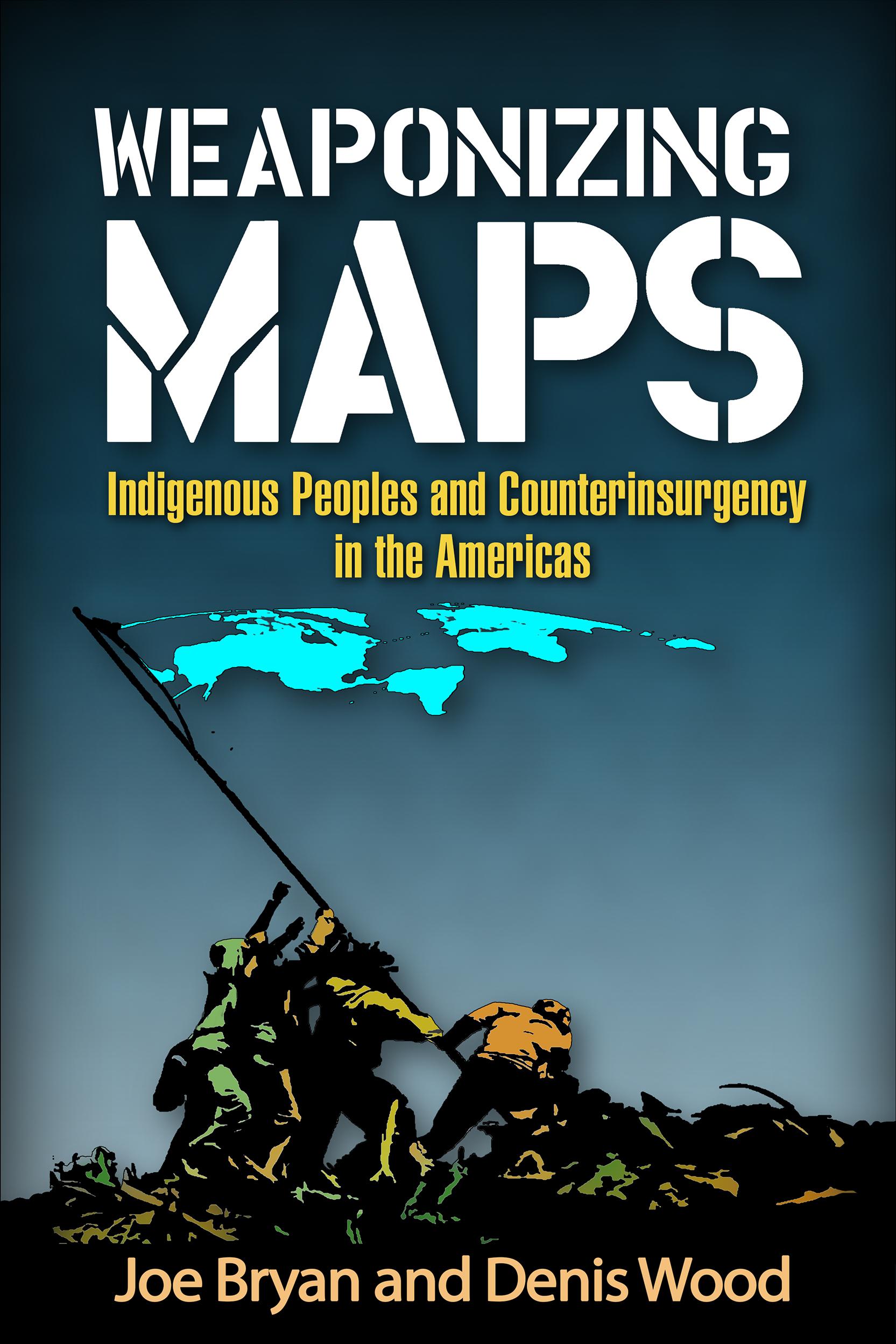
Maps play an indispensable role in indigenous peoples’ efforts to secure land rights in the Americas and beyond. Yet indigenous peoples did not invent participatory mapping techniques on their own; they appropriated them from techniques developed for colonial rule and counterinsurgency campaigns, and refined by anthropologists and geographers. Through a series of historical and contemporary examples from Nicaragua, Canada, and Mexico, this book explores the tension between military applications of participatory mapping and its use for political mobilization and advocacy. The authors analyze the emergence of indigenous territories as spaces defined by a collective way of life--and as a particular kind of battleground.
Pay easily by card, Klarna, Apple Pay or Google Pay. Not happy? You always have a 14-day money-back guarantee. Read more in our terms. If you have any questions, email us at hello@memmo.org.
Memmo makes studying easier – wherever you are in the world. We bring your course books and smart study tools together in one place: summaries, quizzes, podcasts and flashcards. Plus Ted, your study buddy who answers anything you wonder. Over 50,000 students already study here – built to help you learn faster and stress less.
You might also like
Buy the book0