
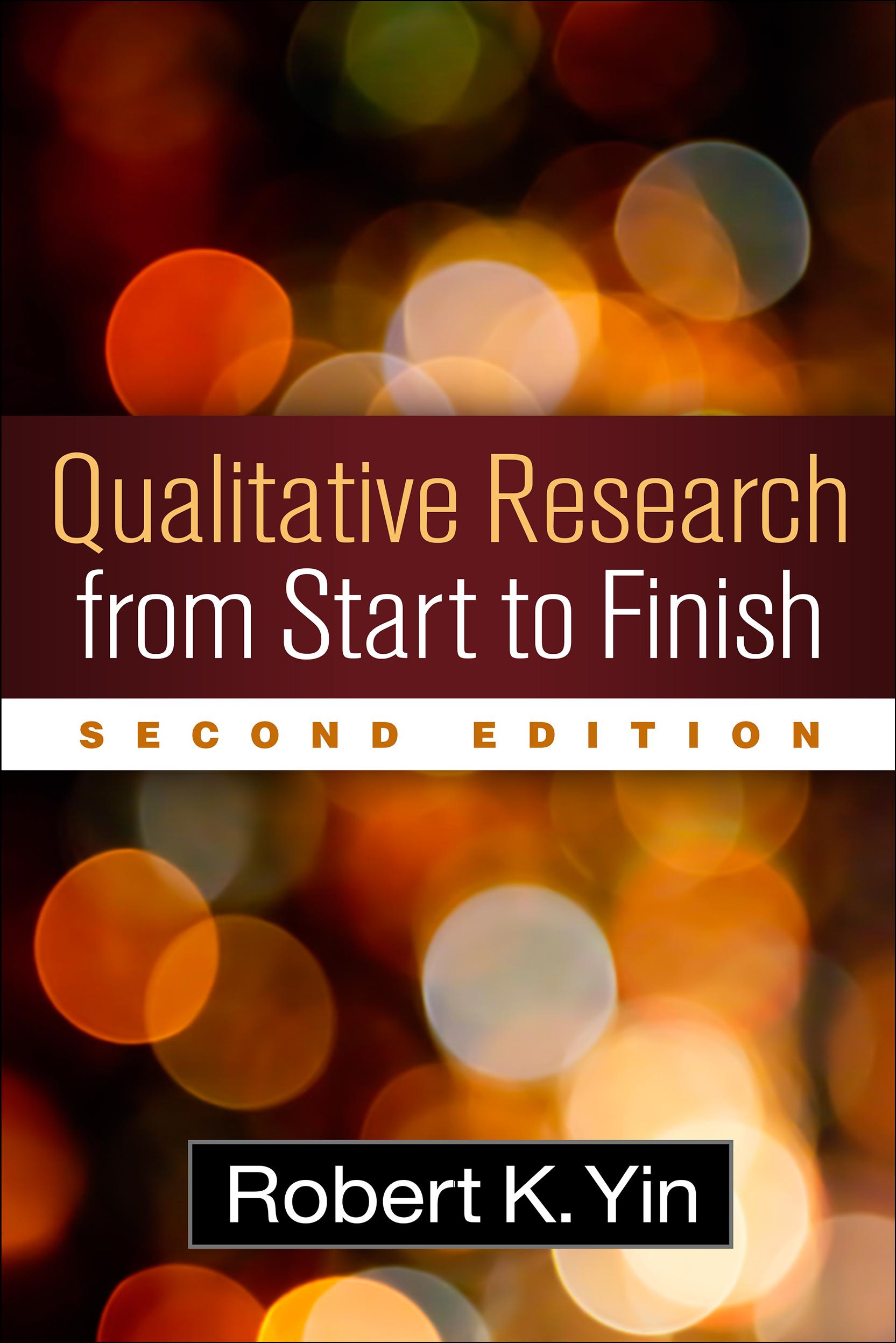
This book will help readers understand the practice of qualitative research--whether they want to do it, teach it, or just learn about it. All the major research phases are encompassed (startup, design, data collection, analysis, and composing), including newly emerging trends. Numerous easy-to-read vignettes show how other scholars have successfully implemented specific procedures. Equally distinctive, the book presents qualitative research as an adaptive craft. The array of choices among different procedures and methods enables readers to customize their own studies and to accommodate different worldviews and genres.
New to This Edition:
*Stronger discussion of different worldviews (e.g., constructivism, postpositivism, and pragmatism) and how they relate to different methodological choices.
*Clearer emphasis on doing a generalized qualitative study, while acknowledging 12 specialized genres (e.g., action-based research, arts-based research, autoethnography, grounded theory, phenomenology, and others).
*Expanded discussions of different kinds of qualitative study samples and of mixed methods.
*New ideas on how to avoid getting stalled when analyzing qualitative data.
*Consideration of an additional way of concluding a qualitative study: by taking action.
Pedagogical Features
*Chapters start with an abstract and end with a suggested exercise.
*Key terms and concepts appear in boldface throughout the text and are listed in end-of-chapter recaps as well as in the book’s glossary.
*Sections within each chapter start with a preview box: “What you should learn from this section."
*An appendix presents a semester- or yearlong field-based project.
New to This Edition:
*Stronger discussion of different worldviews (e.g., constructivism, postpositivism, and pragmatism) and how they relate to different methodological choices.
*Clearer emphasis on doing a generalized qualitative study, while acknowledging 12 specialized genres (e.g., action-based research, arts-based research, autoethnography, grounded theory, phenomenology, and others).
*Expanded discussions of different kinds of qualitative study samples and of mixed methods.
*New ideas on how to avoid getting stalled when analyzing qualitative data.
*Consideration of an additional way of concluding a qualitative study: by taking action.
Pedagogical Features
*Chapters start with an abstract and end with a suggested exercise.
*Key terms and concepts appear in boldface throughout the text and are listed in end-of-chapter recaps as well as in the book’s glossary.
*Sections within each chapter start with a preview box: “What you should learn from this section."
*An appendix presents a semester- or yearlong field-based project.
Pages: 386
Category: Vetenskapsteori och forskningsmetod
e-ISBN: 9781462521364
Shipping weight: 1.2 kg
Ships in: 1-2 days
Pay easily by card, Klarna, Apple Pay or Google Pay. Not happy? You always have a 14-day money-back guarantee. Read more in our terms. If you have any questions, email us at hello@memmo.org.
Memmo makes studying easier – wherever you are in the world. We bring your course books and smart study tools together in one place: summaries, quizzes, podcasts and flashcards. Plus Ted, your study buddy who answers anything you wonder. Over 50,000 students already study here – built to help you learn faster and stress less.
You might also like
Buy the book0