
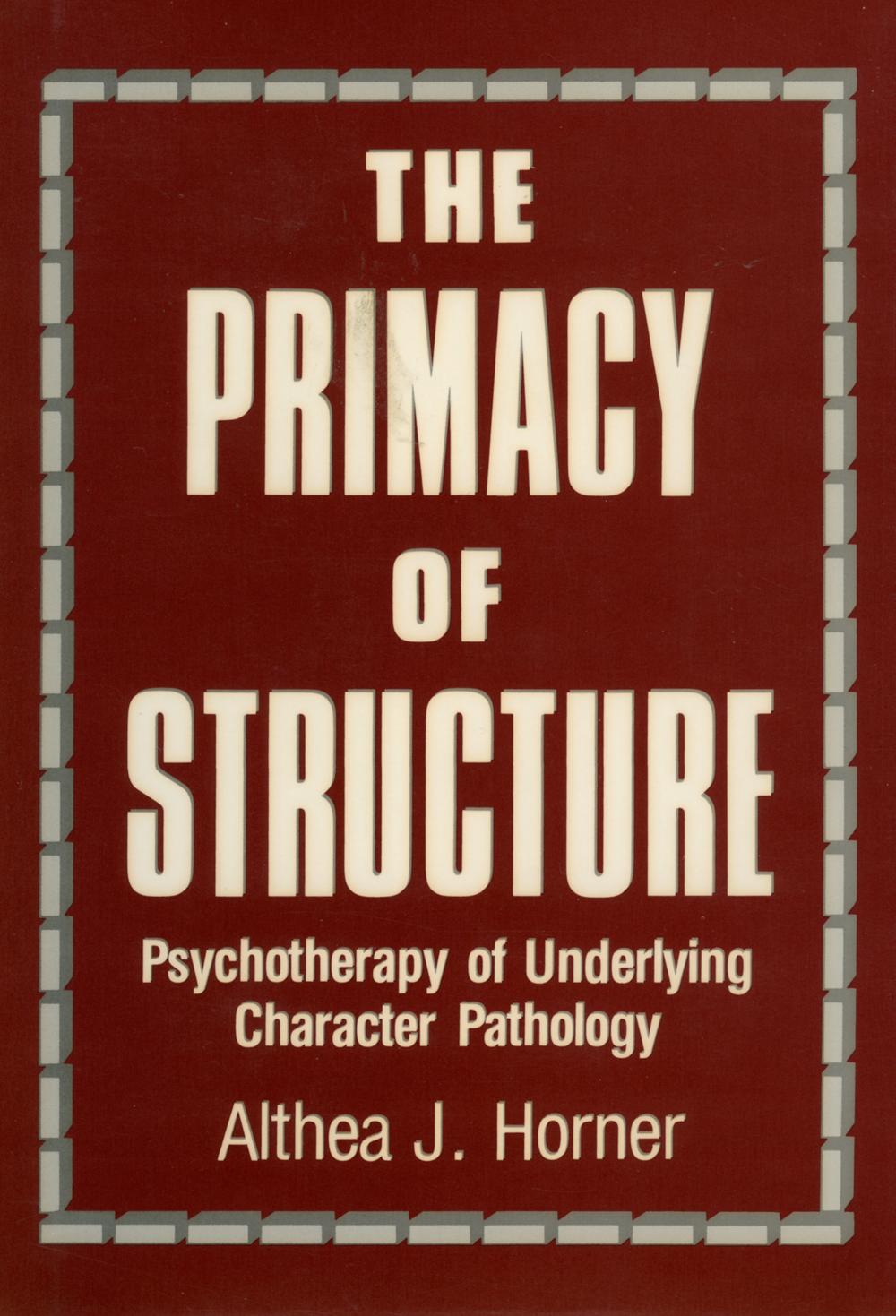
In "The Primacy of Structure" Althea Horner argues that effective psychotherapeutic intervention depends on the understanding of clinical symptoms in terms of the patient's underlying character structure. For example, obsessive behavior that functions to hold together a fragile, inadequately integrated self must be distinguished from obsessive behavior that defends against awareness of guilt and anxiety. In evaluating patients, Dr Horner asks herself whether he or she was well integrated and well differentiated before the presenting complaint, or a borderline individual already at risk. These facts are critical for the patient's therapy. In Part I Dr Horner discusses the development of character, in Part II character pathology, and in Part III the treatment of character pathology. Mental health professionals will find this a useful guide to psychotherapy of the character problems that lie behind their patients' presenting symptoms.
Pay easily by card, Klarna, Apple Pay or Google Pay. Not happy? You always have a 14-day money-back guarantee. Read more in our terms. If you have any questions, email us at hello@memmo.org.
Memmo makes studying easier – wherever you are in the world. We bring your course books and smart study tools together in one place: summaries, quizzes, podcasts and flashcards. Plus Ted, your study buddy who answers anything you wonder. Over 50,000 students already study here – built to help you learn faster and stress less.