
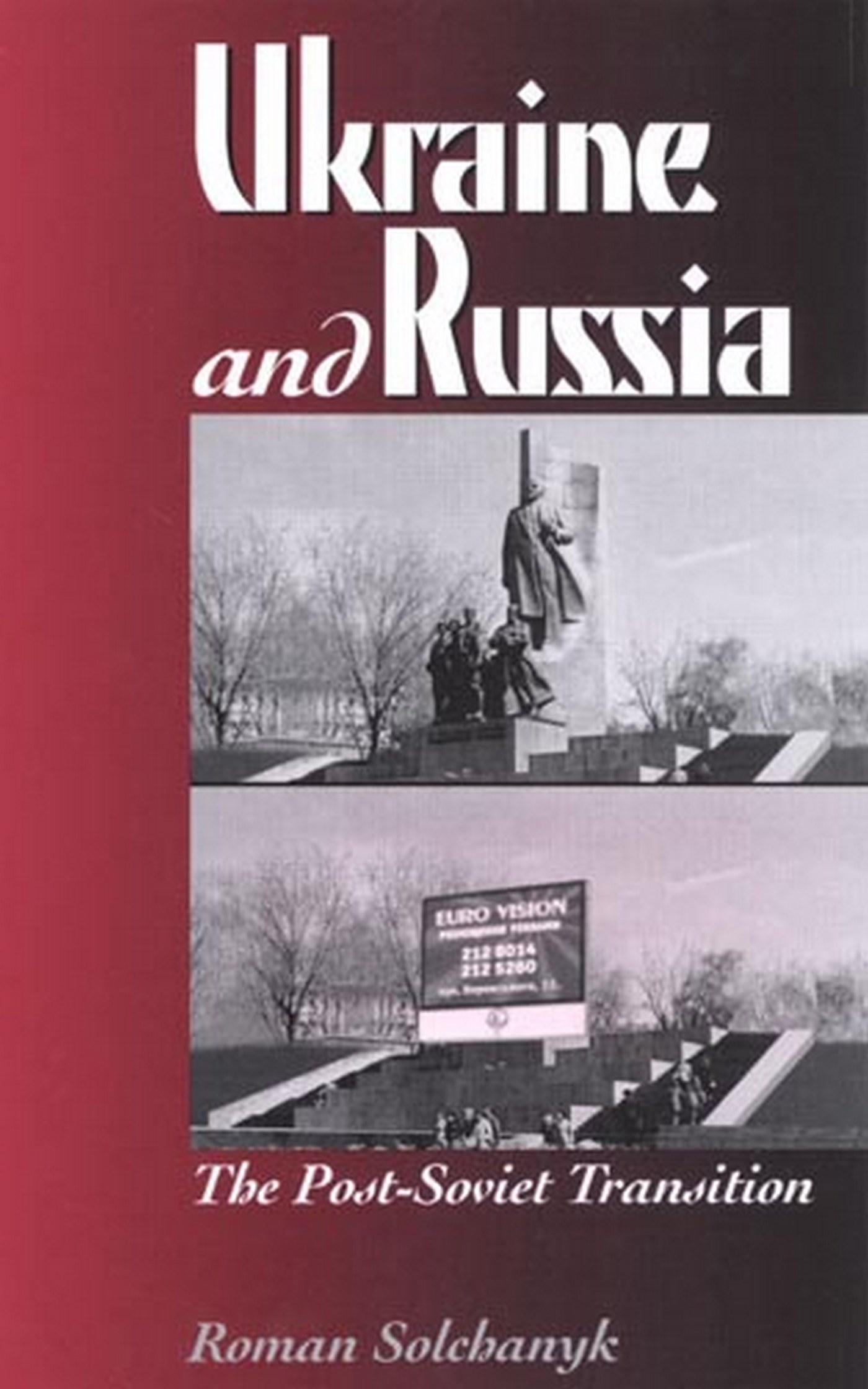
This timely study provides a clear analysis of both the domestic and foreign policies and security issues confronting Russia's largest and most important neighbor during its first decade as an independent state. Roman Solchanyk emphasizes throughout the book, the complex, centuries-old Ukrainian-Russian relationship, which is so central that the “Russian question” plays the determining role in Ukraine's foreign and domestic politics. In turn, the policy choices of Ukraine's leaders influence the direction of Russia's own transformation.
The book opens with a conceptual framework that addresses the key issues of the Ukrainian-Russian relationship. The initial chapters illustrate how relations between Kyiv and Moscow changed-in the final analysis, dramatically-under the conditions of a crumbling and ultimately collapsing Soviet state. This is followed by a discussion of how the “Russian question” influences Ukraine's internal developments-political, social, and economic-as well as its behavior in the international arena. The concluding chapters focus specifically on Crimea, a microcosm of the Ukrainian-Russian relationship.
Basing his argument on a wealth of primary source material, the author argues that the success of both Ukraine's and Russia's nation- and state-building projects will be largely determined by the normalization of their historically conditioned relationship. Indeed, success or failure will profoundly influence the direction of regional and European foreign policy and security.
The book opens with a conceptual framework that addresses the key issues of the Ukrainian-Russian relationship. The initial chapters illustrate how relations between Kyiv and Moscow changed-in the final analysis, dramatically-under the conditions of a crumbling and ultimately collapsing Soviet state. This is followed by a discussion of how the “Russian question” influences Ukraine's internal developments-political, social, and economic-as well as its behavior in the international arena. The concluding chapters focus specifically on Crimea, a microcosm of the Ukrainian-Russian relationship.
Basing his argument on a wealth of primary source material, the author argues that the success of both Ukraine's and Russia's nation- and state-building projects will be largely determined by the normalization of their historically conditioned relationship. Indeed, success or failure will profoundly influence the direction of regional and European foreign policy and security.
Pay easily by card, Klarna, Apple Pay or Google Pay. Not happy? You always have a 14-day money-back guarantee. Read more in our terms. If you have any questions, email us at hello@memmo.org.
Memmo makes studying easier – wherever you are in the world. We bring your course books and smart study tools together in one place: summaries, quizzes, podcasts and flashcards. Plus Ted, your study buddy who answers anything you wonder. Over 50,000 students already study here – built to help you learn faster and stress less.