
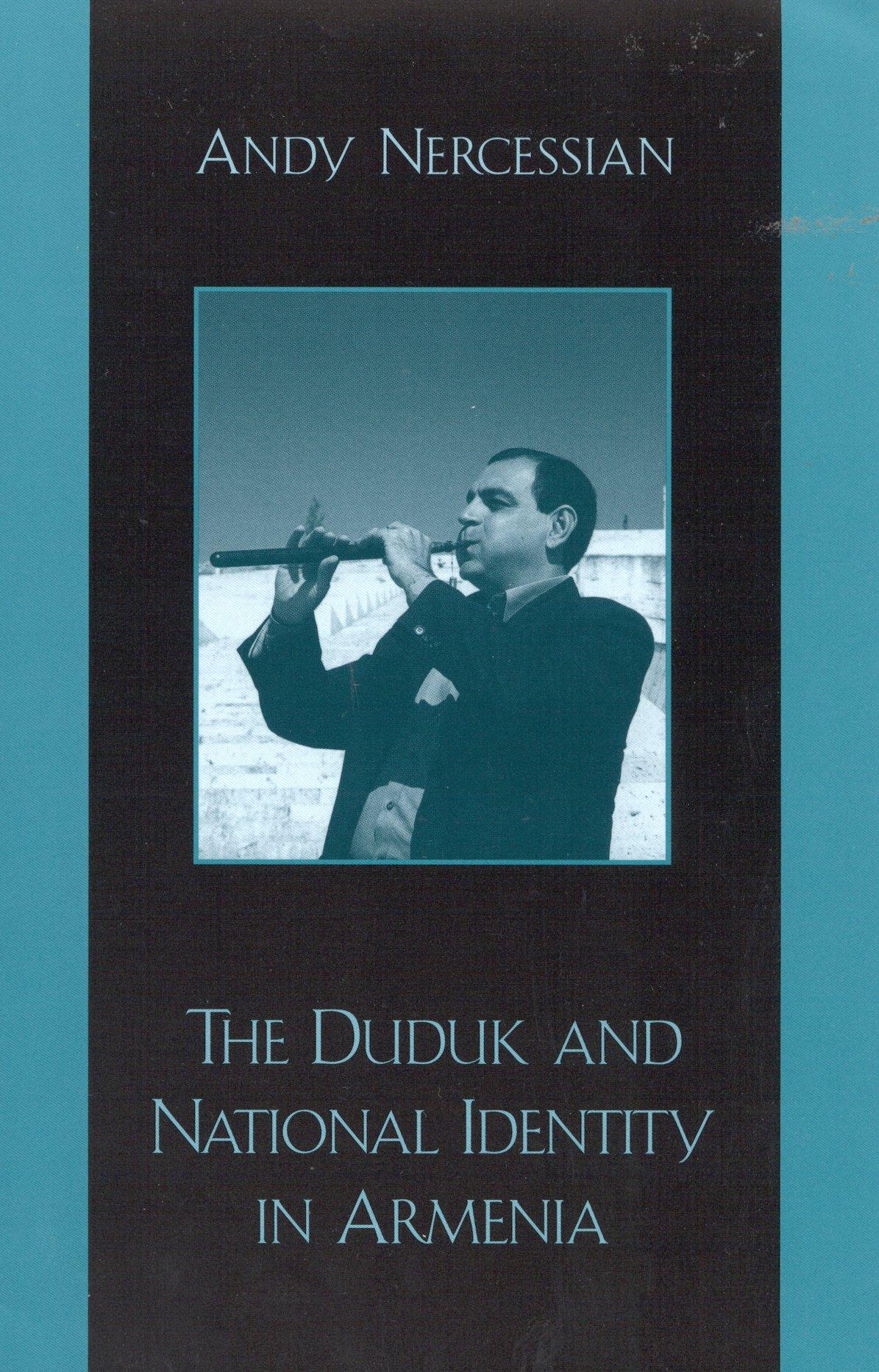
The book is an outline of the Armenian duduk, a cylindrical double-reed aerophone made of apricot-wood, and its relation to the Armenian identity. It attempts to deepen our understanding of musical instruments not only through an examination of musical and constructional features, but also through the application of a sociocultural framework which allows a theorization of the idea of the instrument as social being.
The discussion is centered on the different contexts in which the duduk is played. These are divided into two categories: solo and ensemble. Solo duduk performance includes the remarkable phenomenon of Armenian funeral music activity. Other contexts include special celebrations of national culture, duduk competitions, the recording studio and the film music studio. The main ensemble contexts of duduk performance are the Armenian folk orchestras. These are essentially Soviet creations designed to "advance" folk music. Their impact on folk music and folk musical life on Armenia is discussed with special attention to the "adjustments" which were necessary for the success of this institution. Folk ensembles have long been emblems of Armenian national culture which might explain how they have survived the collapse of the Soviet Union and its Marxist-Leninist policies which were these orchestras' very raison d'être.
The book will appeal to anyone with an interest in organological theory, Armenian culture, or world music.
The discussion is centered on the different contexts in which the duduk is played. These are divided into two categories: solo and ensemble. Solo duduk performance includes the remarkable phenomenon of Armenian funeral music activity. Other contexts include special celebrations of national culture, duduk competitions, the recording studio and the film music studio. The main ensemble contexts of duduk performance are the Armenian folk orchestras. These are essentially Soviet creations designed to "advance" folk music. Their impact on folk music and folk musical life on Armenia is discussed with special attention to the "adjustments" which were necessary for the success of this institution. Folk ensembles have long been emblems of Armenian national culture which might explain how they have survived the collapse of the Soviet Union and its Marxist-Leninist policies which were these orchestras' very raison d'être.
The book will appeal to anyone with an interest in organological theory, Armenian culture, or world music.
Pay easily by card, Klarna, Apple Pay or Google Pay. Not happy? You always have a 14-day money-back guarantee. Read more in our terms. If you have any questions, email us at hello@memmo.org.
Memmo makes studying easier – wherever you are in the world. We bring your course books and smart study tools together in one place: summaries, quizzes, podcasts and flashcards. Plus Ted, your study buddy who answers anything you wonder. Over 50,000 students already study here – built to help you learn faster and stress less.