
While Iceland is the second largest inhabited island in Europe, with only 313,000 inhabitants in 2007, the Icelanders form one of the smallest independent nations in the world. Around two-thirds of the population lives in the capital, Reykjavík, and its suburbs, while the rest is spread around the inhabitable area of the country. Until fairly recently the Icelandic nation was unusually homogeneous, both in cultural and religious terms; in 1981, around 98 percent of the nation was born in Iceland and 96 percent belonged to the Lutheran state church or other Lutheran religious sects. In 2007, these numbers were down to 89 and 86 percent respectively, reflecting the rapidly growing multicultural nature of Icelandic society.
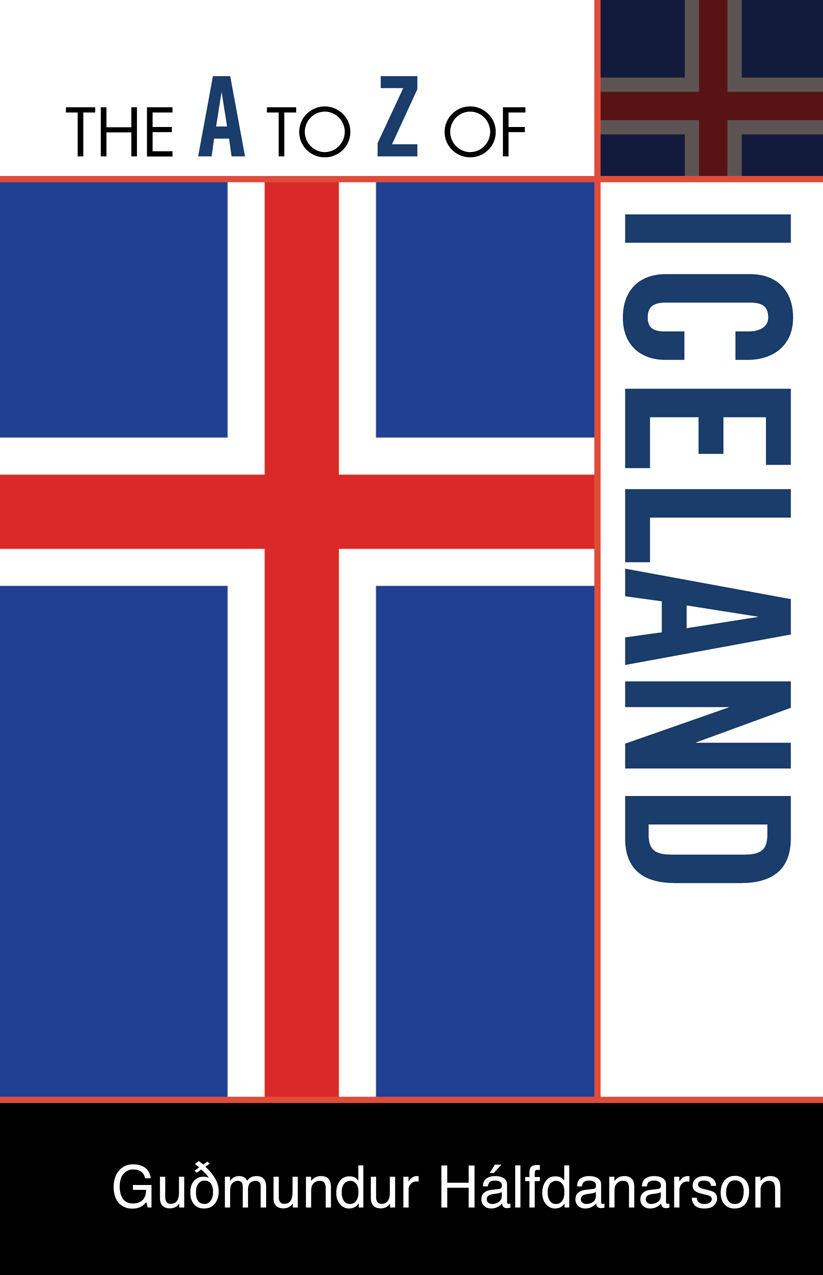
The A to Z of Iceland traces Iceland's history and provides a compass for the direction the country is heading. This is done through its chronology, introductory essays, appendixes, map, bibliography, and hundreds of cross-referenced dictionary entries on important persons, places, events, and institutions and significant political, economic, social, and cultural aspects.
The A to Z of Iceland traces Iceland's history and provides a compass for the direction the country is heading. This is done through its chronology, introductory essays, appendixes, map, bibliography, and hundreds of cross-referenced dictionary entries on important persons, places, events, and institutions and significant political, economic, social, and cultural aspects.
Pay easily by card, Klarna, Apple Pay or Google Pay. Not happy? You always have a 14-day money-back guarantee. Read more in our terms. If you have any questions, email us at hello@memmo.org.
Memmo makes studying easier – wherever you are in the world. We bring your course books and smart study tools together in one place: summaries, quizzes, podcasts and flashcards. Plus Ted, your study buddy who answers anything you wonder. Over 50,000 students already study here – built to help you learn faster and stress less.