
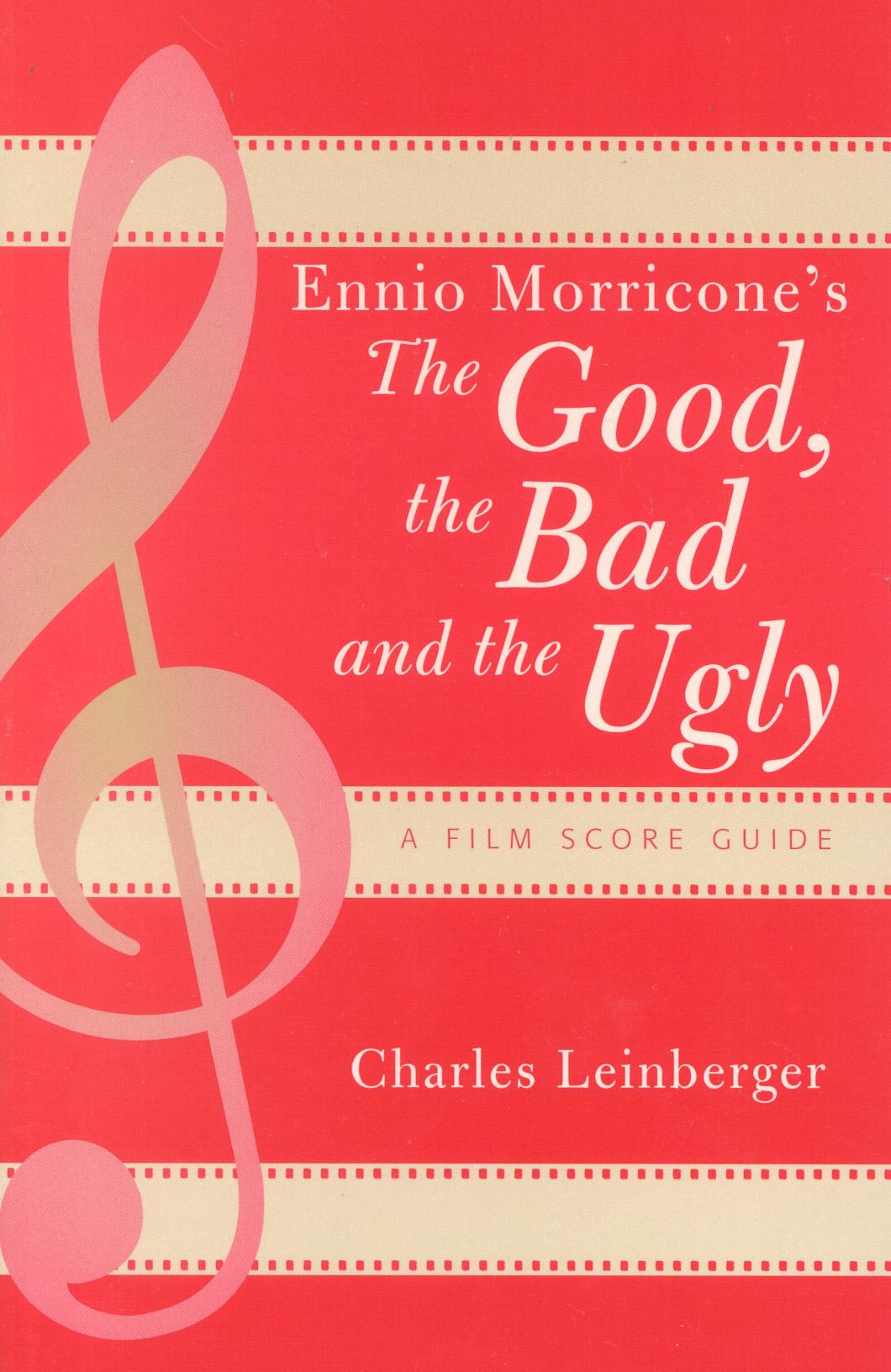
Although five-time Academy-Award nominee Ennio Morricone has scored numerous films in various genres, his westerns will undoubtedly remain his most memorable cinematographic accomplishments. This guide demonstrates Morricone's unique and enduring contributions to the art of film music through a discussion of his compositional and orchestrational processes, many of which are evident in his music for The Good, the Bad and the Ugly in a way that can be easily understood by both musicians and nonmusicians.
Leinberger begins his study with a brief discussion of Morricone's musical background through his experience in the Italian music business, his earliest Italian film scores, and his accomplishments in Hollywood. The second chapter is a discussion of the many compositional techniques that distinguish Morricone's music from that of other film composers. Subsequent chapters examine the historical and cultural context of the film and attempt to place the style of Morricone's score for The Good, the Bad and the Ugly in relation to his scores for other well-known Westerns. The book's final chapter is an analysis of compositional techniques presented in chronological order from the film's opening credits to its climactic ending.
Although this guide focuses on Morricone and his music from a theoretical perspective, other non-musical issues that are relevant to the audience's ultimate experience of the film are also discussed.
Leinberger begins his study with a brief discussion of Morricone's musical background through his experience in the Italian music business, his earliest Italian film scores, and his accomplishments in Hollywood. The second chapter is a discussion of the many compositional techniques that distinguish Morricone's music from that of other film composers. Subsequent chapters examine the historical and cultural context of the film and attempt to place the style of Morricone's score for The Good, the Bad and the Ugly in relation to his scores for other well-known Westerns. The book's final chapter is an analysis of compositional techniques presented in chronological order from the film's opening credits to its climactic ending.
Although this guide focuses on Morricone and his music from a theoretical perspective, other non-musical issues that are relevant to the audience's ultimate experience of the film are also discussed.
Pay easily by card, Klarna, Apple Pay or Google Pay. Not happy? You always have a 14-day money-back guarantee. Read more in our terms. If you have any questions, email us at hello@memmo.org.
Memmo makes studying easier – wherever you are in the world. We bring your course books and smart study tools together in one place: summaries, quizzes, podcasts and flashcards. Plus Ted, your study buddy who answers anything you wonder. Over 50,000 students already study here – built to help you learn faster and stress less.