
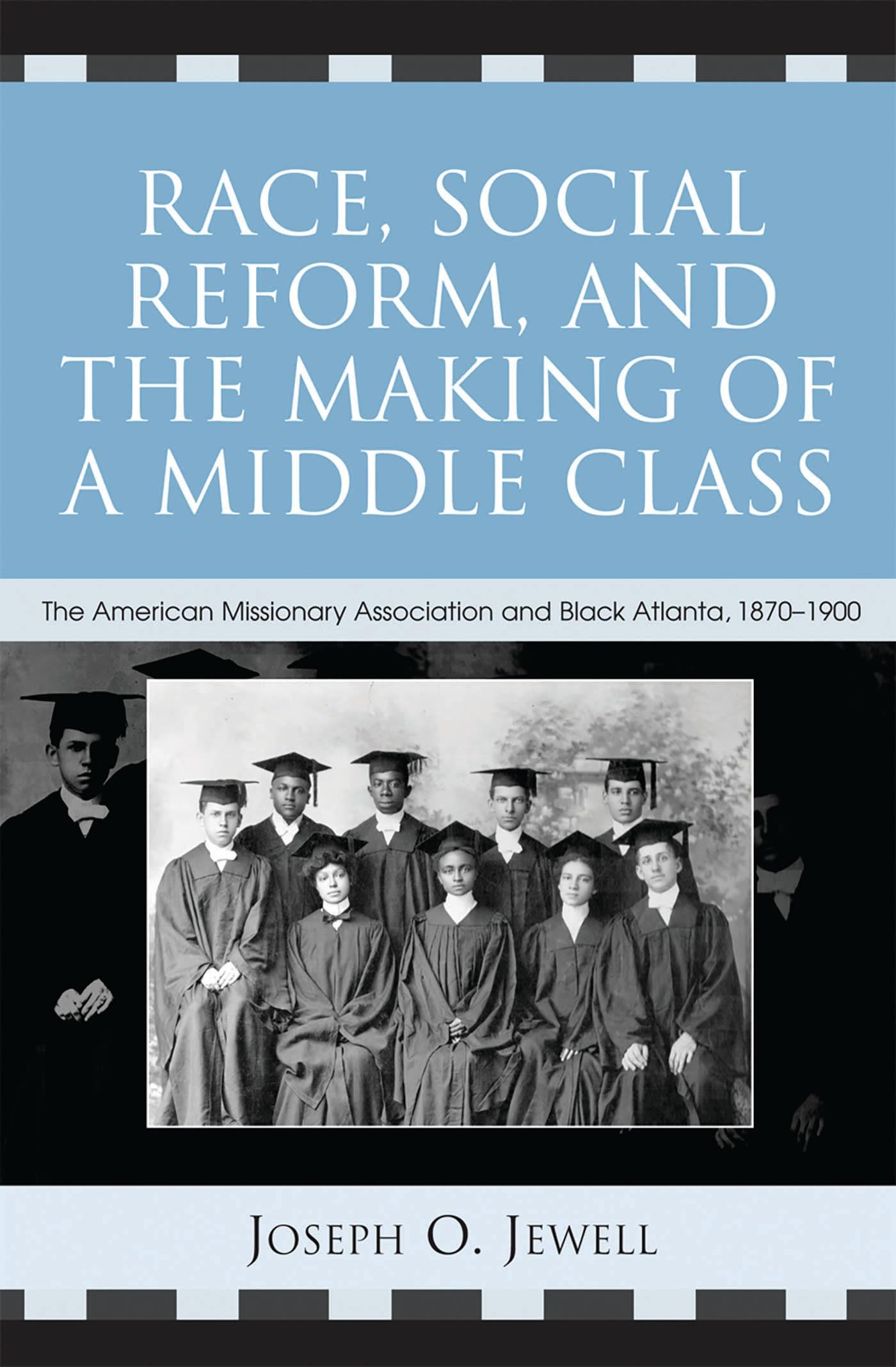
Moral reform movements targeting racial minorities have long been central in negotiating the relationship between race and class in the United States, particularly in periods of large scale social change. Over a century ago, when the abolition of racial slavery, Southern Reconstruction, industrialization, and urban migration presented challenges to both race and class hierarchies in the South, postbellum missionary reform organizations like the American Missionary Association crusaded to establish schools, colleges, and churches for Blacks in Southern cities like Atlanta that would aggressively erode cultural differences among former slaves and assimilate them into a civic order defined by Anglo-Protestant culture. While the AMA's missionary institutions in Atlanta sought to shift racial dynamics between Blacks and Whites, they also fueled struggles over the social and cultural boundaries of middle class belonging in a region beset by social change. Drawing upon late nineteenth century accounts of AMA missionary activity in Atlanta, Black attempts to define and maintain a middle class identity, and Atlanta Whites' concerns about Black attempts at upward mobility, the author argue that the rhetoric about the implications of increased minority access to middle class resources like education and cultural knowledge speaks to links between anxieties about class position and racial status in societies stratified by both class and race.
Pay easily by card, Klarna, Apple Pay or Google Pay. Not happy? You always have a 14-day money-back guarantee. Read more in our terms. If you have any questions, email us at hello@memmo.org.
Memmo makes studying easier – wherever you are in the world. We bring your course books and smart study tools together in one place: summaries, quizzes, podcasts and flashcards. Plus Ted, your study buddy who answers anything you wonder. Over 50,000 students already study here – built to help you learn faster and stress less.