
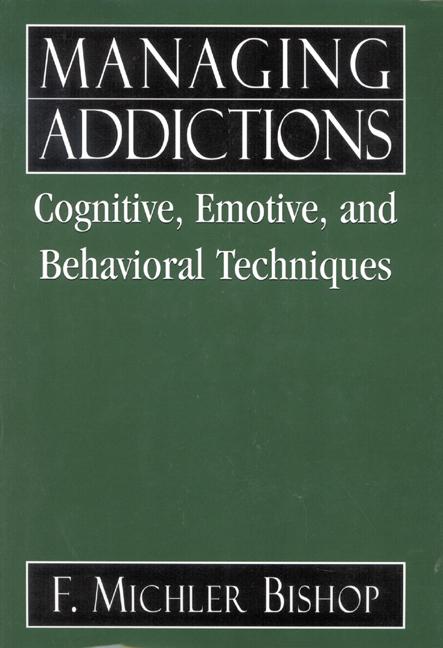
People who suffer from addictive disorders present an incredible challenge to therapists. This book offers hope and specific techniques designed to address the complexity of treatment. Dr. F. Michler Bishop stresses the need for therapists to be flexible, to recognize that different people have different needs, and to consider a variety of perspectives. Cognitive, emotive, behavioral, and spiritual modalities are presented with rich clinical detail.
Addressing not only substance abuse, but also shopping, eating, gambling, and sexual behaviors, the book considers such issues as assessment, denial, dual diagnosis, anxiety, shame and guilt. The change process is described in various stages and therapists are reminded that patients need to move through the process, stop the process, and even go into reverse many times before they reach their treatment goals. Of particular interest is the advice he gives on working with non-motivated patients. In contrast to the confrontational, aggressive approach that has been advocated by addictions specialists in the past, Dr. Bishop suggests that therapist confrontations increase the probability of relapse. He recommends that traditional psychodynamic techniques of being empathetic, avoiding argumentation, and supporting self-efficacy are more effective with people's addiction behaviors. Specific methods for special populations, such as mandated clients or those with serious psychological problems, are also presented in this comprehensive, optimistic, and well-organized volume.
Addressing not only substance abuse, but also shopping, eating, gambling, and sexual behaviors, the book considers such issues as assessment, denial, dual diagnosis, anxiety, shame and guilt. The change process is described in various stages and therapists are reminded that patients need to move through the process, stop the process, and even go into reverse many times before they reach their treatment goals. Of particular interest is the advice he gives on working with non-motivated patients. In contrast to the confrontational, aggressive approach that has been advocated by addictions specialists in the past, Dr. Bishop suggests that therapist confrontations increase the probability of relapse. He recommends that traditional psychodynamic techniques of being empathetic, avoiding argumentation, and supporting self-efficacy are more effective with people's addiction behaviors. Specific methods for special populations, such as mandated clients or those with serious psychological problems, are also presented in this comprehensive, optimistic, and well-organized volume.
Pay easily by card, Klarna, Apple Pay or Google Pay. Not happy? You always have a 14-day money-back guarantee. Read more in our terms. If you have any questions, email us at hello@memmo.org.
Memmo makes studying easier – wherever you are in the world. We bring your course books and smart study tools together in one place: summaries, quizzes, podcasts and flashcards. Plus Ted, your study buddy who answers anything you wonder. Over 50,000 students already study here – built to help you learn faster and stress less.