
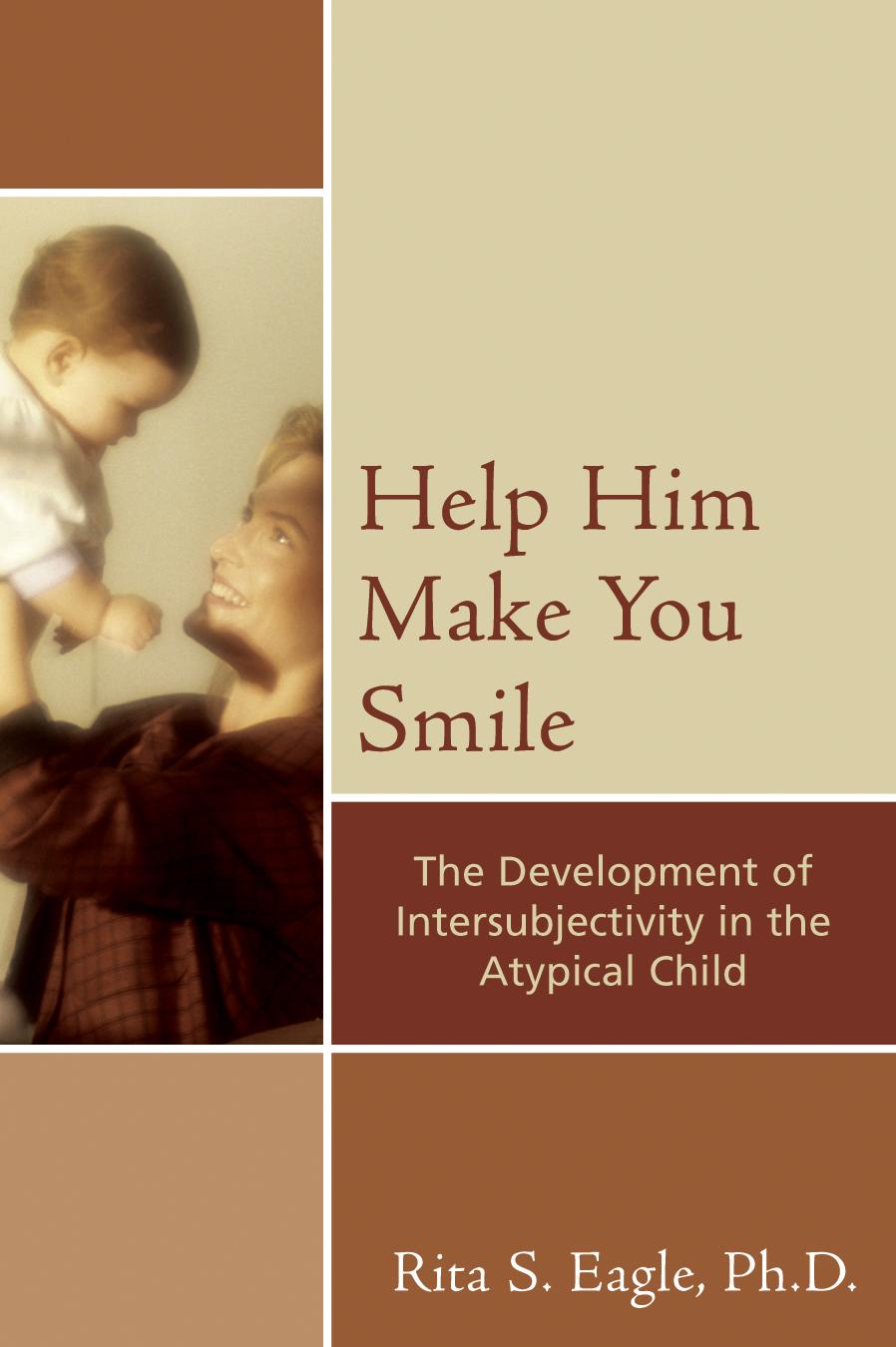
Intersubjectivity refers to the motivation and capacity to connect and share one's own inner world with that of another person. This book addresses the questions: how does this precious human communication develop in infancy, and what can or should be done when it does not develop? The author presents a unique chronicle describing the day-by- day emergence of intersubjectivity in her infant son, born with neurodevelopmental disabilities. These observations are analyzed in the context of a critical review of theory and research about intersubjectivity in normal children and in children with atypical development. From both sources emerges a model for how intersubjectivity develops in the parent-infant interaction, and guidelines for how to intervene when it does not. While acknowledging the inroads that have been made in understanding this unique human capacity, the author points to the questions that remain to be addressed in future research. The book ends with a rare opportunity to follow the trajectory of her son's capacity for intersubjectivity over a period of more than thirty years. It is addressed to theorists and researchers; clinicians who work with infants and children with developmental disorders and their families; and parents who want to understand their children's development.
Pages: 336
Category: Familj, Relationer & Föräldraskap
e-ISBN: 9781461628750
Shipping weight: 1.2 kg
Ships in: 1-2 days
Pay easily by card, Klarna, Apple Pay or Google Pay. Not happy? You always have a 14-day money-back guarantee. Read more in our terms. If you have any questions, email us at hello@memmo.org.
Memmo makes studying easier – wherever you are in the world. We bring your course books and smart study tools together in one place: summaries, quizzes, podcasts and flashcards. Plus Ted, your study buddy who answers anything you wonder. Over 50,000 students already study here – built to help you learn faster and stress less.