
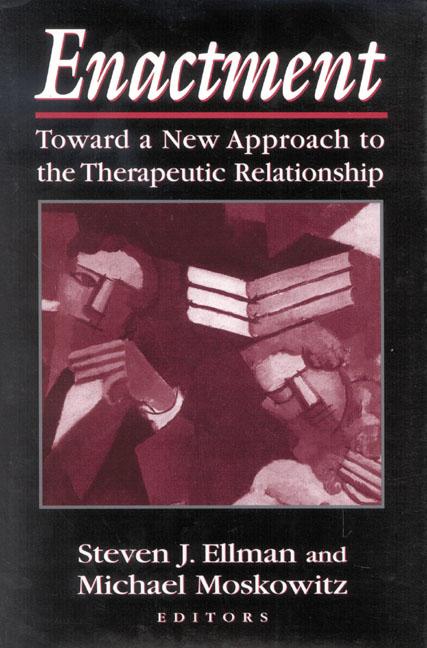
For many therapists it has replaced previous action terms such as acting in and acting out. Something new has been captured by this concept: a recognition of a process that may involve words but goes beyond words. For some, enactment addresses a continuous undercurrent in the interaction between patient and therapist in the realm of intersubjectivity. Others ask whether this concept adds either clarity or a new perspective to the clinical situation. This volume addresses the questions: Does the current focus on enactments entail a shift in our model of therapeutic change? Are enactments essential? Can they be dangerous, and if so, under what circumstances? Enactment is essential reading for all psychotherapists.
Pay easily by card, Klarna, Apple Pay or Google Pay. Not happy? You always have a 14-day money-back guarantee. Read more in our terms. If you have any questions, email us at hello@memmo.org.
Memmo makes studying easier – wherever you are in the world. We bring your course books and smart study tools together in one place: summaries, quizzes, podcasts and flashcards. Plus Ted, your study buddy who answers anything you wonder. Over 50,000 students already study here – built to help you learn faster and stress less.