
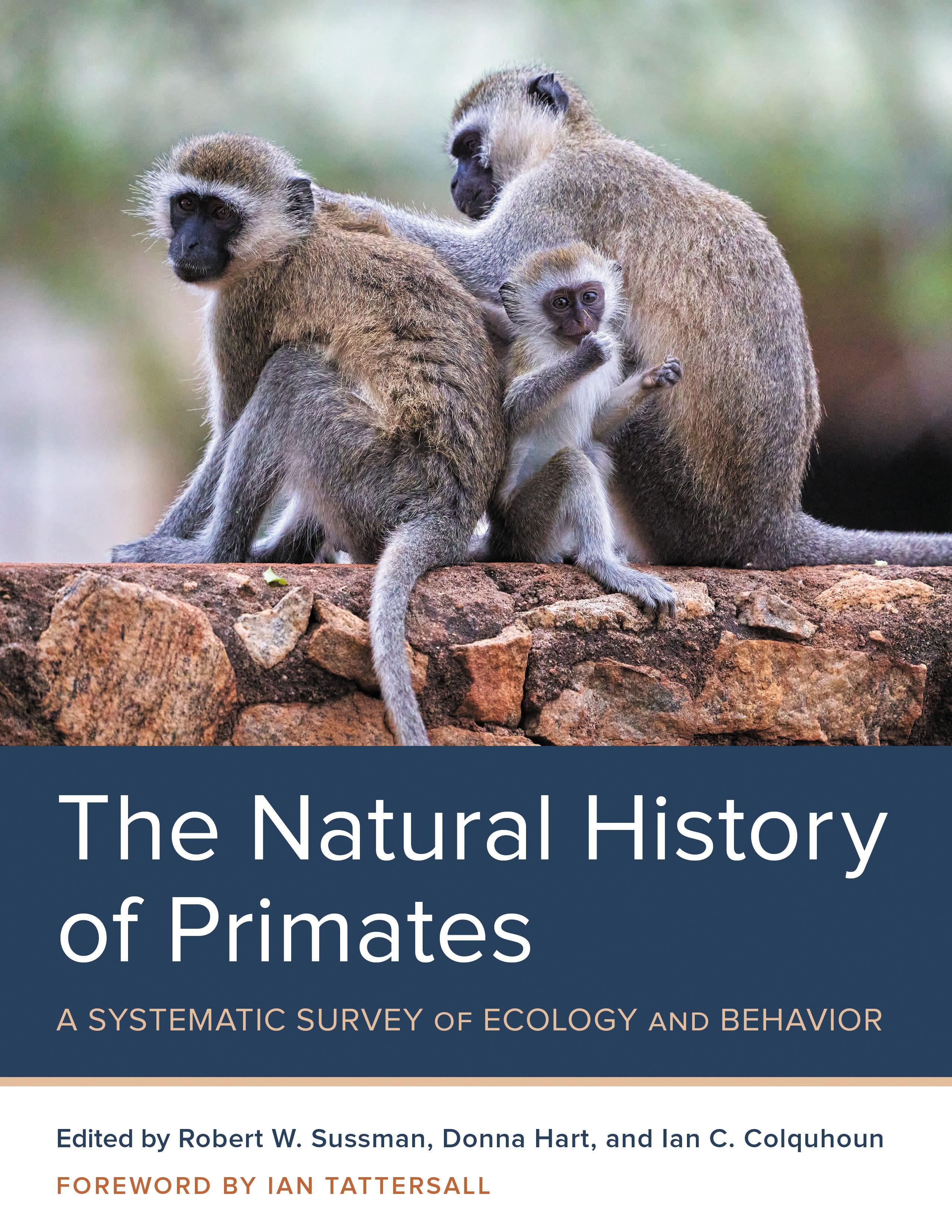
The interest in primates, from lemurs to gorillas, has never been greater. Primatologists are continually finding evidence in the behavior and ecology of our closest genetic relatives that sheds light on human origins. So, just who are these 520+ species of complex and intelligent mammals inhabiting the Neotropics, Africa, Madagascar, and Asia?
The Natural History of Primates provides the most current information on wild primates from experts who have studied them in their natural environments. This volume provides up-to-date facts and figures on how groups of social primates interact with each other and the plants and other animal species in their ecosystems: what they eat, which predators might eat them, how males and females seek mates, how infants are raised, and myriad other fascinating details about their visual and vocal communication, their ability to craft and use tools, and the varieties of locomotion they employ. As human populations continue to expand into the rainforests, savannas, and woodlands where nonhuman primates dwell, the preservation of these species becomes ever more important. The Natural History of Primates is unique in its emphasis on the conservation status of primate species and its ample discussions of how humans and nonhuman primates can coexist in the twenty-first century.
The Natural History of Primates provides the most current information on wild primates from experts who have studied them in their natural environments. This volume provides up-to-date facts and figures on how groups of social primates interact with each other and the plants and other animal species in their ecosystems: what they eat, which predators might eat them, how males and females seek mates, how infants are raised, and myriad other fascinating details about their visual and vocal communication, their ability to craft and use tools, and the varieties of locomotion they employ. As human populations continue to expand into the rainforests, savannas, and woodlands where nonhuman primates dwell, the preservation of these species becomes ever more important. The Natural History of Primates is unique in its emphasis on the conservation status of primate species and its ample discussions of how humans and nonhuman primates can coexist in the twenty-first century.
Pay easily by card, Klarna, Apple Pay or Google Pay. Not happy? You always have a 14-day money-back guarantee. Read more in our terms. If you have any questions, email us at hello@memmo.org.
Memmo makes studying easier – wherever you are in the world. We bring your course books and smart study tools together in one place: summaries, quizzes, podcasts and flashcards. Plus Ted, your study buddy who answers anything you wonder. Over 50,000 students already study here – built to help you learn faster and stress less.