
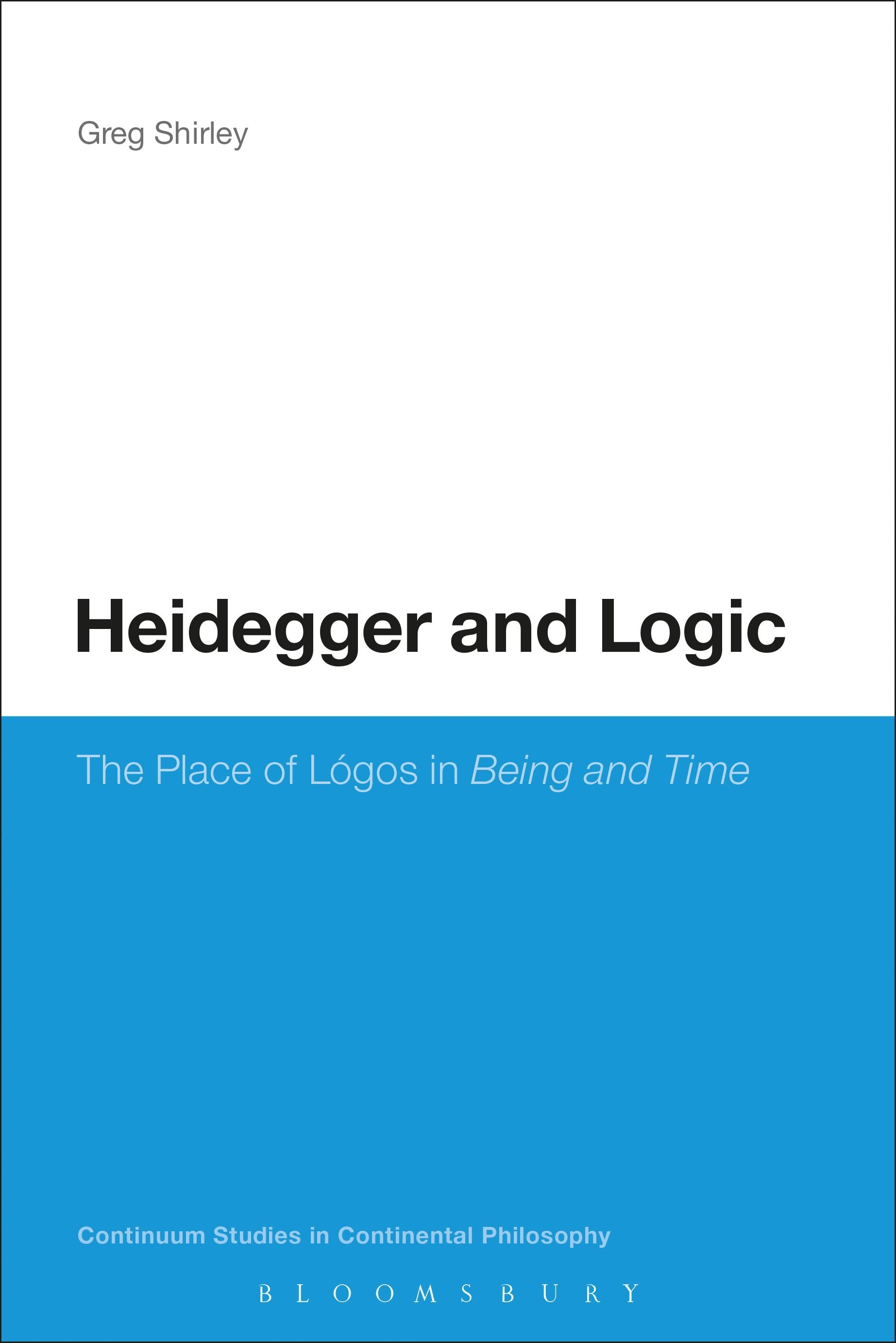
There is a tradition of interpreting Heidegger's remarks on logic as an attempt to flout, revise, or eliminate logic, and of thus characterizing Heidegger as an irrationalist. Heidegger and Logic looks closely at Heidegger's writings on logic in the Being and Time era and argues that Heidegger does not seek to discredit logic, but to determine its scope and explain its foundations. Through a close examination of the relevant texts, Greg Shirley shows that this tradition of interpretation rests on mischaracterizations and false assumptions. What emerges from Heidegger's remarks on logic is an account of intelligibility that is both novel and relevant to issues in contemporary philosophy of logic. Heidegger's views on logic form a coherent whole that is an important part of his larger philosophical project and helps us understand it better, and that constitutes a unique contribution to the philosophy of logic
Pay easily by card, Klarna, Apple Pay or Google Pay. Not happy? You always have a 14-day money-back guarantee. Read more in our terms. If you have any questions, email us at hello@memmo.org.
Memmo makes studying easier – wherever you are in the world. We bring your course books and smart study tools together in one place: summaries, quizzes, podcasts and flashcards. Plus Ted, your study buddy who answers anything you wonder. Over 50,000 students already study here – built to help you learn faster and stress less.