
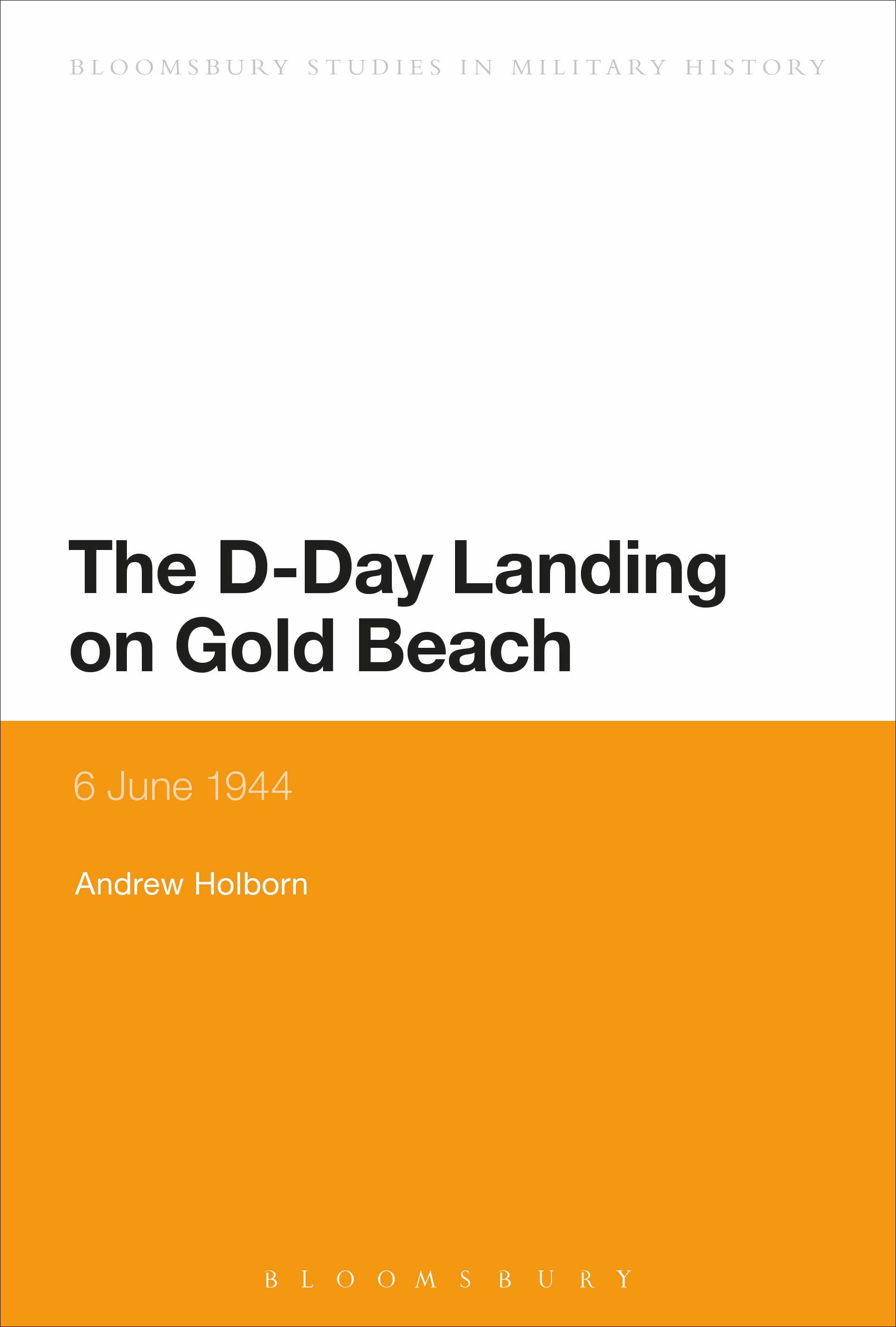
The Normandy landings of 6 June 1944, across five sectors of the French coast - Utah, Omaha, Gold, Juno and Sword - constituted the largest amphibious invasion in history. This study analyses in depth the preparations and implementation of the D-Day landing on Gold Beach by XXX Corps. Historians have tended to dismiss the landing on Gold Beach as straightforward but the evidence points to a different reality. Armour supported the infantry landing and prior bombing was intended to weaken German defences; however, the bulk of the bombing landed too far inland, and many craft foundered in difficult conditions at sea. It was the tenacity of the assault units and the flexibility of the follow up units which enabled the Gold landing to secure the right flank of the British Army in Normandy. Using detailed primary evidence from The National Archives and the Imperial War Museum, this volume provides a substantial assessment of the background to the landing on Gold, and analyses the events of D-Day in the wider context of the Normandy Campaign.
Pay easily by card, Klarna, Apple Pay or Google Pay. Not happy? You always have a 14-day money-back guarantee. Read more in our terms. If you have any questions, email us at hello@memmo.org.
Memmo makes studying easier – wherever you are in the world. We bring your course books and smart study tools together in one place: summaries, quizzes, podcasts and flashcards. Plus Ted, your study buddy who answers anything you wonder. Over 50,000 students already study here – built to help you learn faster and stress less.