
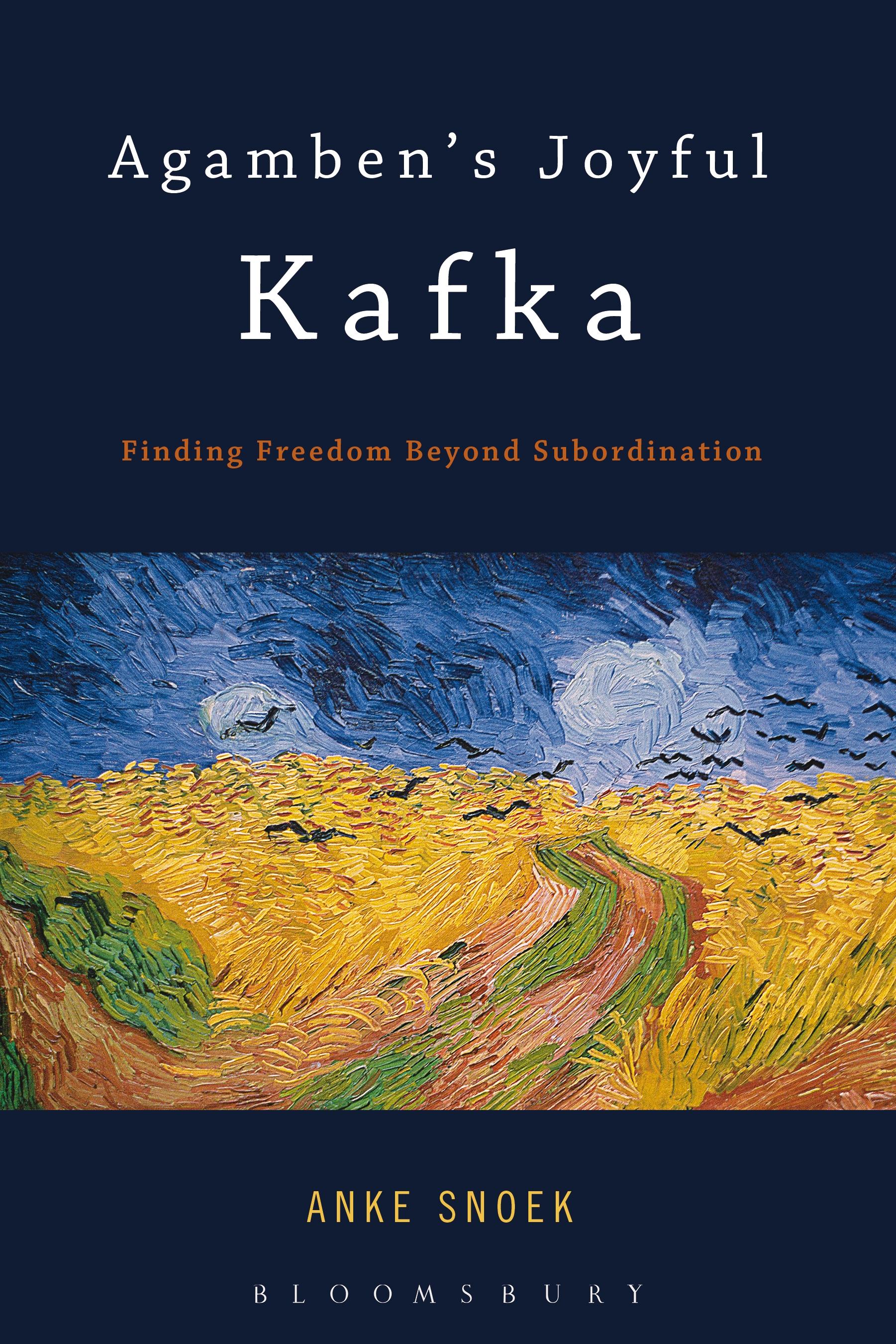
Both Giorgio Agamben and Franz Kafka are best known for their gloomy political worldview. A cautious study of Agamben's references on Kafka, however, reveals another dimension right at the intersection of their works: a complex and unorthodox theory of freedom. The inspiration emerges from Agamben's claims that 'it is a very poor reading of Kafka's works that sees in them only a summation of the anguish of a guilty man before the inscrutable power'. Virtually all of Kafka's stories leave us puzzled about what really happened. Was Josef K., who is butchered like a dog, defeated? And what about the meaningless but in his own way complete creature Odradek? Agamben's work sheds new light on these questions and arrives, through Kafka, at different strategies for freedom at the point where this freedom is most blatantly violated.
Pay easily by card, Klarna, Apple Pay or Google Pay. Not happy? You always have a 14-day money-back guarantee. Read more in our terms. If you have any questions, email us at hello@memmo.org.
Memmo makes studying easier – wherever you are in the world. We bring your course books and smart study tools together in one place: summaries, quizzes, podcasts and flashcards. Plus Ted, your study buddy who answers anything you wonder. Over 50,000 students already study here – built to help you learn faster and stress less.