
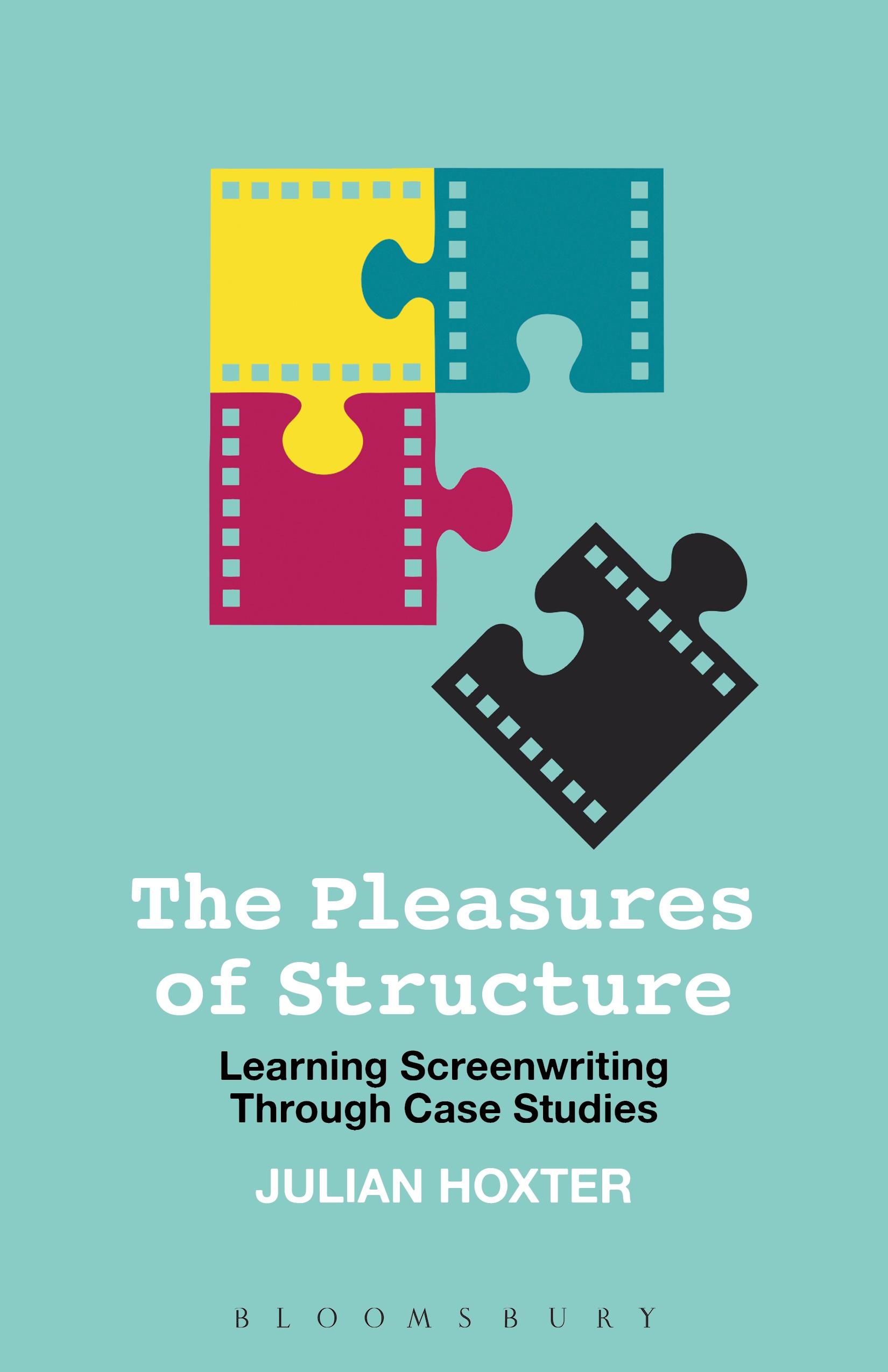
The Pleasures of Structure starts from the premise that the ability to develop a well understood and articulated story structure is the most important skill a screenwriter can develop. For example, good structure requires a great premise and rigorous character development. Without clear character motivations and goals--which are themselves indicative of key structural beats--your story is going exactly nowhere. Using the simple and flexible 'W' model of screenplay structure developed in the prequel Write What You Don't Know, Hoxter sets this out as its starting point. This model is tested against a range of examples which are chosen to explore the flexibility not only of that model but of movie storytelling more generally. Writers and students often worry that they are asked to work 'to formula'. This book will test that formula to breaking point.
For example, the first case study will offer the example of a well written, professional, mainstream movie against which our later and more adventurous examples can be compared. So the lessons we learn examining the animated family adventure movie How To Train Your Dragon lead us directly to ask questions of our second case study, the acclaimed Swedish vampire movie Låt den Rätte Komma In (Let The Right One In). Both movies have protagonists with the same basic problem, the same goal, and they use the same basic structure to tell their stories. Of course they are very different films and they work on their audiences in very different ways. Our linked case studies will expose how simple choices, like reversing the order of elements of the protagonist's transformational arc and shifting ownership of key story beats, has an enormous impact on how we respond to a structural model that is otherwise functionally identical.
For example, the first case study will offer the example of a well written, professional, mainstream movie against which our later and more adventurous examples can be compared. So the lessons we learn examining the animated family adventure movie How To Train Your Dragon lead us directly to ask questions of our second case study, the acclaimed Swedish vampire movie Låt den Rätte Komma In (Let The Right One In). Both movies have protagonists with the same basic problem, the same goal, and they use the same basic structure to tell their stories. Of course they are very different films and they work on their audiences in very different ways. Our linked case studies will expose how simple choices, like reversing the order of elements of the protagonist's transformational arc and shifting ownership of key story beats, has an enormous impact on how we respond to a structural model that is otherwise functionally identical.
Pay easily by card, Klarna, Apple Pay or Google Pay. Not happy? You always have a 14-day money-back guarantee. Read more in our terms. If you have any questions, email us at hello@memmo.org.
Memmo makes studying easier – wherever you are in the world. We bring your course books and smart study tools together in one place: summaries, quizzes, podcasts and flashcards. Plus Ted, your study buddy who answers anything you wonder. Over 50,000 students already study here – built to help you learn faster and stress less.