
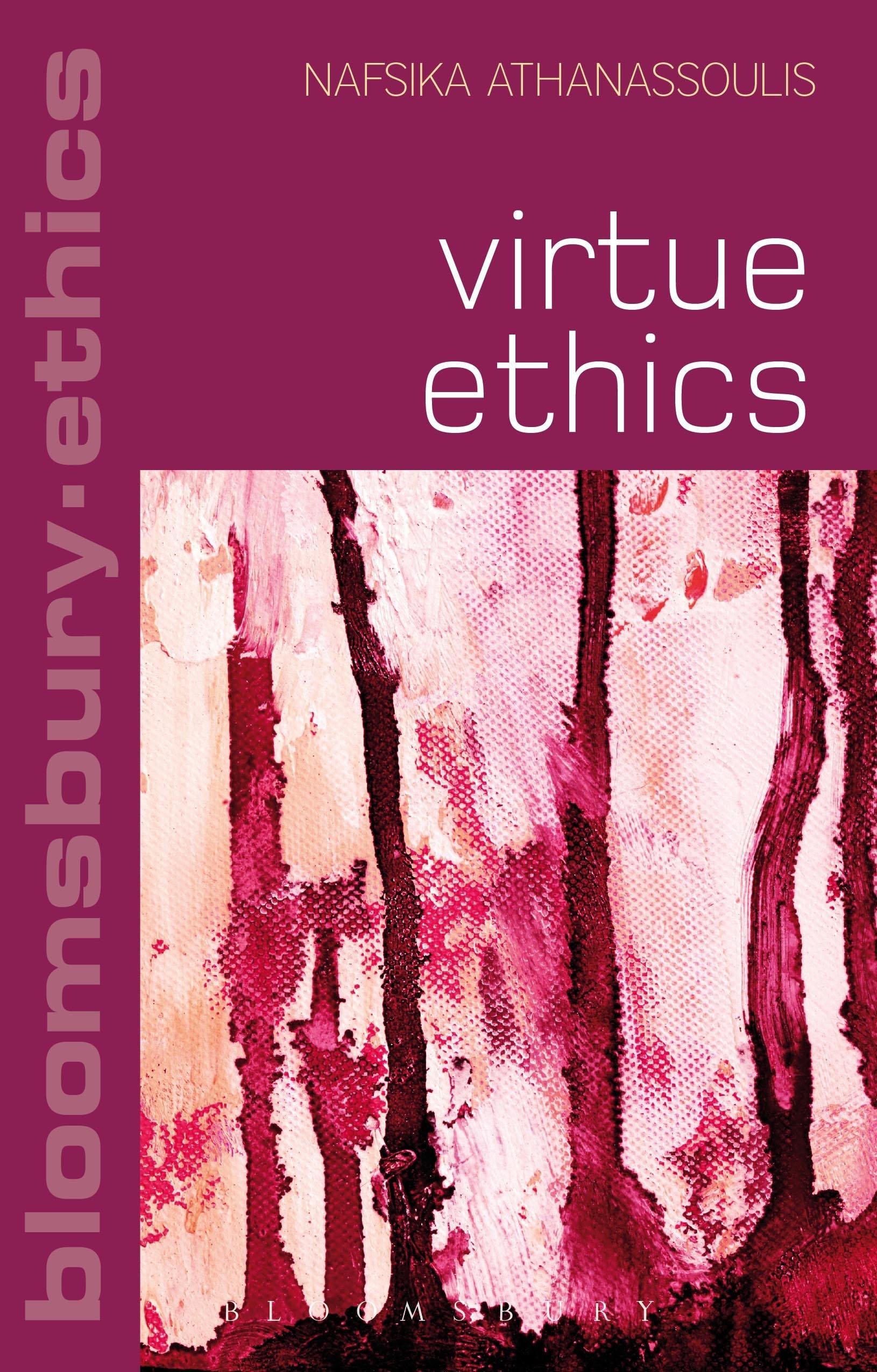
What is 'virtue'?
And how can we lead moral lives?
Exploring how contemporary moral philosophy has led to a revival of interest in the concepts of 'virtue', 'character' and 'flourishing', this is an accessible and critical introduction to virtue ethics. Comprising of three parts, the first part examines the work of key contemporary thinkers such as Elizabeth Anscombe and Bernard Williams in calling for a change of direction in moral philosophy and adopting a different approach to answering questions such as 'How should I live my life?'. The second part develops a detailed account of Aristotelian eudaimonistic virtue ethics, which considers the virtuous agent to be an ideal and highlights the importance of moral perception and practical wisdom. In the final part, Athanassoulis explores new challenges to virtue ethics from psychology, discusses the practical implications of educating for the virtues and finally considers the neo-Kantian response to virtue ethics.
Virtue Ethics also includes chapter summaries and guides to further reading throughout to help readers explore, understand and develop a critical perspective towards this important school of contemporary ethical thought.
And how can we lead moral lives?
Exploring how contemporary moral philosophy has led to a revival of interest in the concepts of 'virtue', 'character' and 'flourishing', this is an accessible and critical introduction to virtue ethics. Comprising of three parts, the first part examines the work of key contemporary thinkers such as Elizabeth Anscombe and Bernard Williams in calling for a change of direction in moral philosophy and adopting a different approach to answering questions such as 'How should I live my life?'. The second part develops a detailed account of Aristotelian eudaimonistic virtue ethics, which considers the virtuous agent to be an ideal and highlights the importance of moral perception and practical wisdom. In the final part, Athanassoulis explores new challenges to virtue ethics from psychology, discusses the practical implications of educating for the virtues and finally considers the neo-Kantian response to virtue ethics.
Virtue Ethics also includes chapter summaries and guides to further reading throughout to help readers explore, understand and develop a critical perspective towards this important school of contemporary ethical thought.
Pay easily by card, Klarna, Apple Pay or Google Pay. Not happy? You always have a 14-day money-back guarantee. Read more in our terms. If you have any questions, email us at hello@memmo.org.
Memmo makes studying easier – wherever you are in the world. We bring your course books and smart study tools together in one place: summaries, quizzes, podcasts and flashcards. Plus Ted, your study buddy who answers anything you wonder. Over 50,000 students already study here – built to help you learn faster and stress less.