
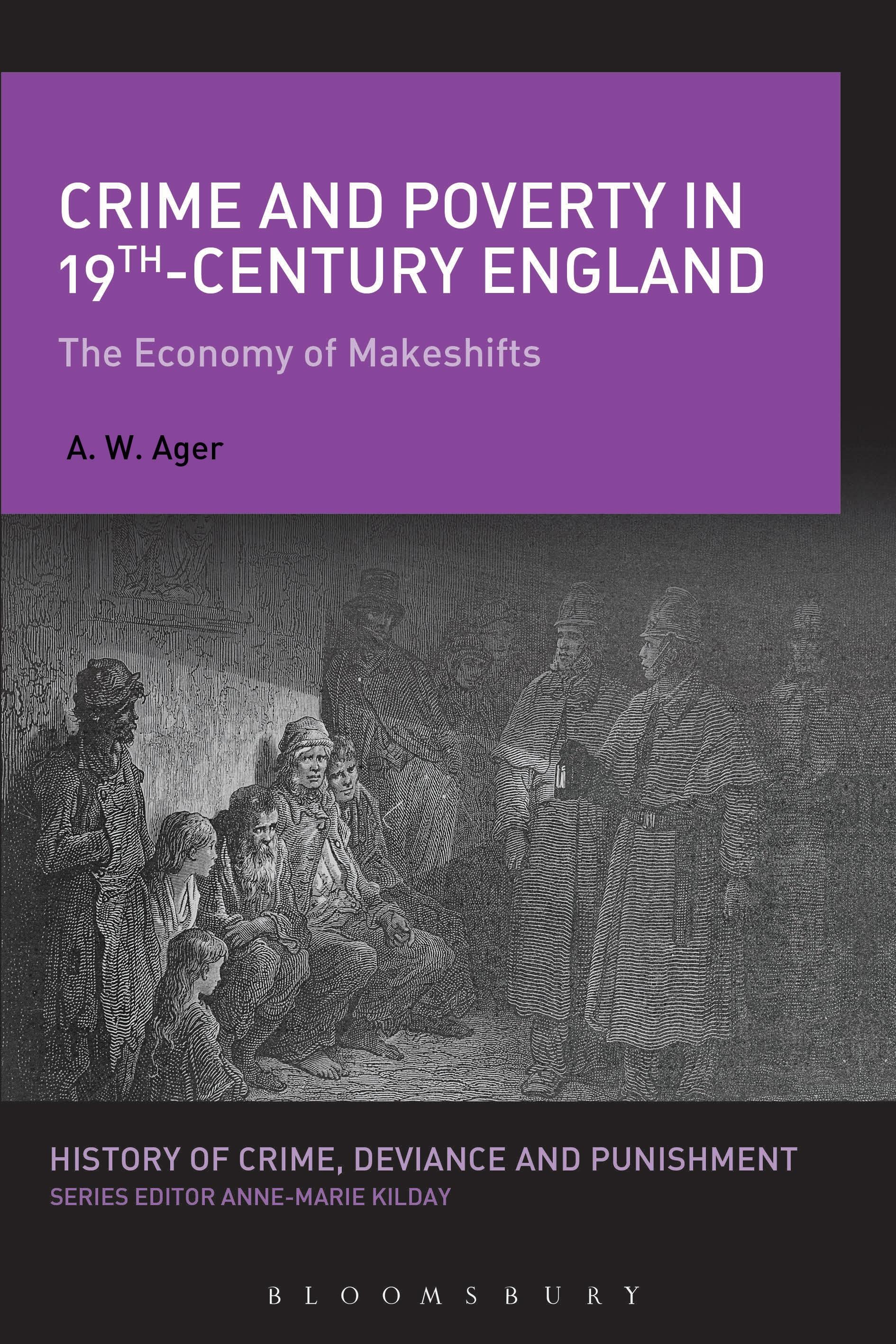
It has long been suggested that poverty was responsible for a criminal underclass emerging in Britain during the nineteenth century. Until quite recently, historians did little to challenge this perception. Using innovative quantitative and qualitative data analysis techniques, this book looks in detail at some of the causal factors that motivated the poorer classes to commit crime, or act in ways that transgressed acceptable standards of behaviour. It demonstrates how the strategies that these individuals employed varied between urban and rural environments, and shows how the poor railed against legislative reforms that threatened the solvency of their households. In the process, this book provides the first solid appreciation of the complex relationship between crime and poverty in two distinct socio-economic regions between 1830 and 1885.
Pay easily by card, Klarna, Apple Pay or Google Pay. Not happy? You always have a 14-day money-back guarantee. Read more in our terms. If you have any questions, email us at hello@memmo.org.
Memmo makes studying easier – wherever you are in the world. We bring your course books and smart study tools together in one place: summaries, quizzes, podcasts and flashcards. Plus Ted, your study buddy who answers anything you wonder. Over 50,000 students already study here – built to help you learn faster and stress less.