
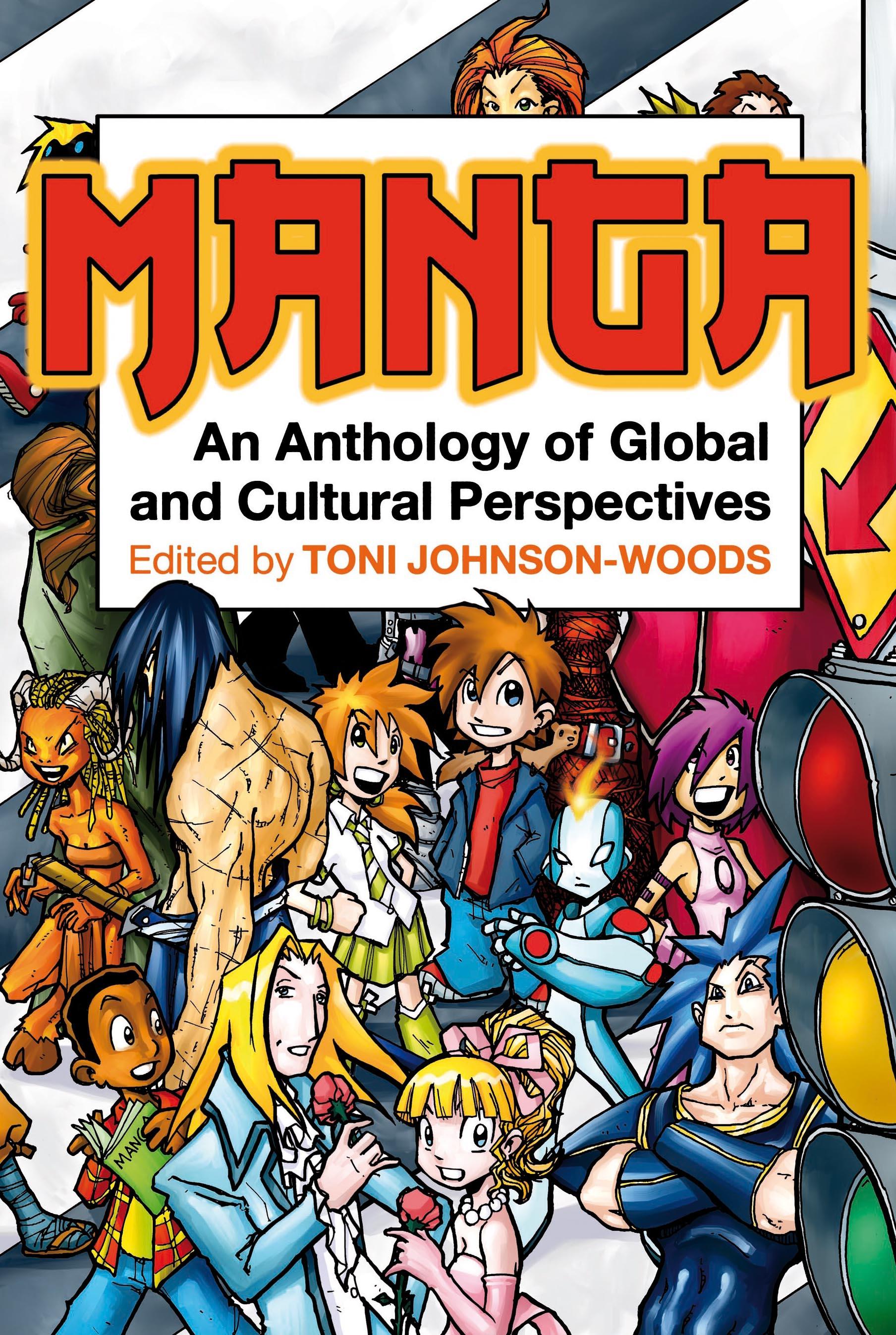
Once upon a time, one had to read Japanese in order to enjoy manga. Today manga has become a global phenomenon, attracting audiences in North America, Europe, Africa, and Australia. The style has become so popular, in fact, that in the US and UK publishers are appropriating the manga style in a variety of print material, resulting in the birth of harlequin mangas which combine popular romance fiction titles with manga aesthetics. Comic publishers such as Dark Horse and DC Comics are translating Japanese "classics", like Akira, into English. And of course it wasn't long before Shakespeare received the manga treatment. So what is manga?
Manga roughly translates as "whimsical pictures" and its long history can be traced all the way back to picture books of eighteenth century Japan. Today, it comes in two basic forms: anthology magazines (such as Shukan Shonen Jampu) that contain several serials and manga 'books' (tankobon) that collect long-running serials from the anthologies and reprint them in one volume. The anthologies contain several serials, generally appear weekly and are so thick, up to 800 pages, that they are colloquially known as phone books. Sold at newspaper stands and in convenience stores, they often attract crowds of people who gather to read their favorite magazine.
Containing sections addressing the manga industry on an international scale, the different genres, formats and artists, as well the fans themselves, Manga: An Anthology of Global and Cultural Perspectives is an important collection of essays by an international cast of scholars, experts, and fans, and provides a one-stop resource for all those who want to learn more about manga, as well as for anybody teaching a course on the subject.
Manga roughly translates as "whimsical pictures" and its long history can be traced all the way back to picture books of eighteenth century Japan. Today, it comes in two basic forms: anthology magazines (such as Shukan Shonen Jampu) that contain several serials and manga 'books' (tankobon) that collect long-running serials from the anthologies and reprint them in one volume. The anthologies contain several serials, generally appear weekly and are so thick, up to 800 pages, that they are colloquially known as phone books. Sold at newspaper stands and in convenience stores, they often attract crowds of people who gather to read their favorite magazine.
Containing sections addressing the manga industry on an international scale, the different genres, formats and artists, as well the fans themselves, Manga: An Anthology of Global and Cultural Perspectives is an important collection of essays by an international cast of scholars, experts, and fans, and provides a one-stop resource for all those who want to learn more about manga, as well as for anybody teaching a course on the subject.
Pay easily by card, Klarna, Apple Pay or Google Pay. Not happy? You always have a 14-day money-back guarantee. Read more in our terms. If you have any questions, email us at hello@memmo.org.
Memmo makes studying easier – wherever you are in the world. We bring your course books and smart study tools together in one place: summaries, quizzes, podcasts and flashcards. Plus Ted, your study buddy who answers anything you wonder. Over 50,000 students already study here – built to help you learn faster and stress less.