
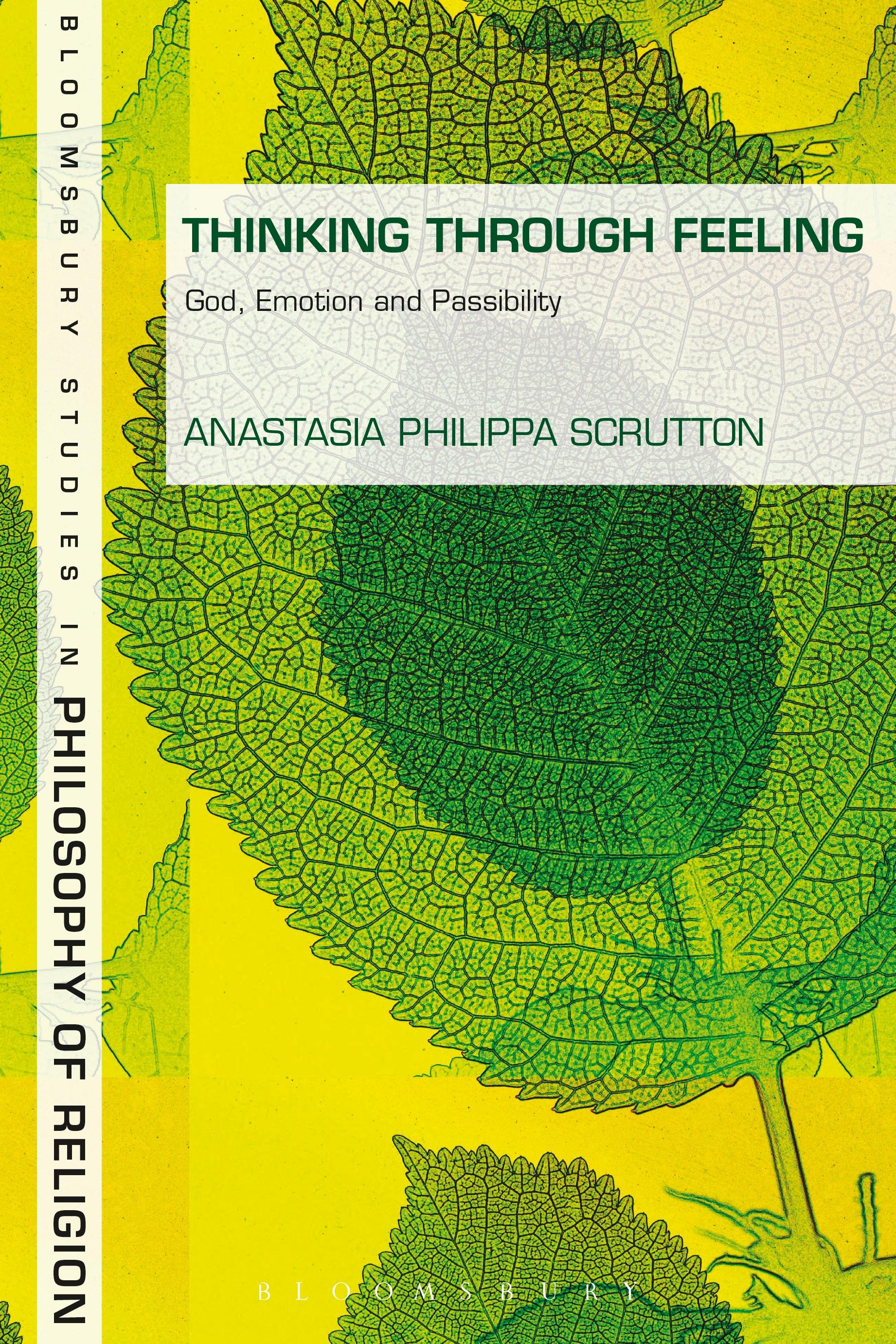
Contemporary debates on God's emotionality are divided between two extremes. Impassibilists deny God's emotionality on the basis of God's omniscience, omnipotence and incorporeality. Passibilists seem to break with tradition by affirming divine emotionality, often focusing on the idea that God suffers with us.
Contemporary philosophy of emotion reflects this divide. Some philosophers argue that emotions are voluntary and intelligent mental events, making them potentially compatible with omniscience and omnipotence. Others claim that emotions are involuntary and basically physiological, rendering them inconsistent with traditional divine attributes.
Thinking Through Feeling: God, Emotion and Passibility creates a three-way conversation between the debate in theology, contemporary philosophy of emotion, and pre-modern (particularly Augustinian and Thomist) conceptions of human affective experience. It also provides an exploration of the intelligence and value of the emotions of compassion, anger and jealousy.
Contemporary philosophy of emotion reflects this divide. Some philosophers argue that emotions are voluntary and intelligent mental events, making them potentially compatible with omniscience and omnipotence. Others claim that emotions are involuntary and basically physiological, rendering them inconsistent with traditional divine attributes.
Thinking Through Feeling: God, Emotion and Passibility creates a three-way conversation between the debate in theology, contemporary philosophy of emotion, and pre-modern (particularly Augustinian and Thomist) conceptions of human affective experience. It also provides an exploration of the intelligence and value of the emotions of compassion, anger and jealousy.
Pay easily by card, Klarna, Apple Pay or Google Pay. Not happy? You always have a 14-day money-back guarantee. Read more in our terms. If you have any questions, email us at hello@memmo.org.
Memmo makes studying easier – wherever you are in the world. We bring your course books and smart study tools together in one place: summaries, quizzes, podcasts and flashcards. Plus Ted, your study buddy who answers anything you wonder. Over 50,000 students already study here – built to help you learn faster and stress less.