
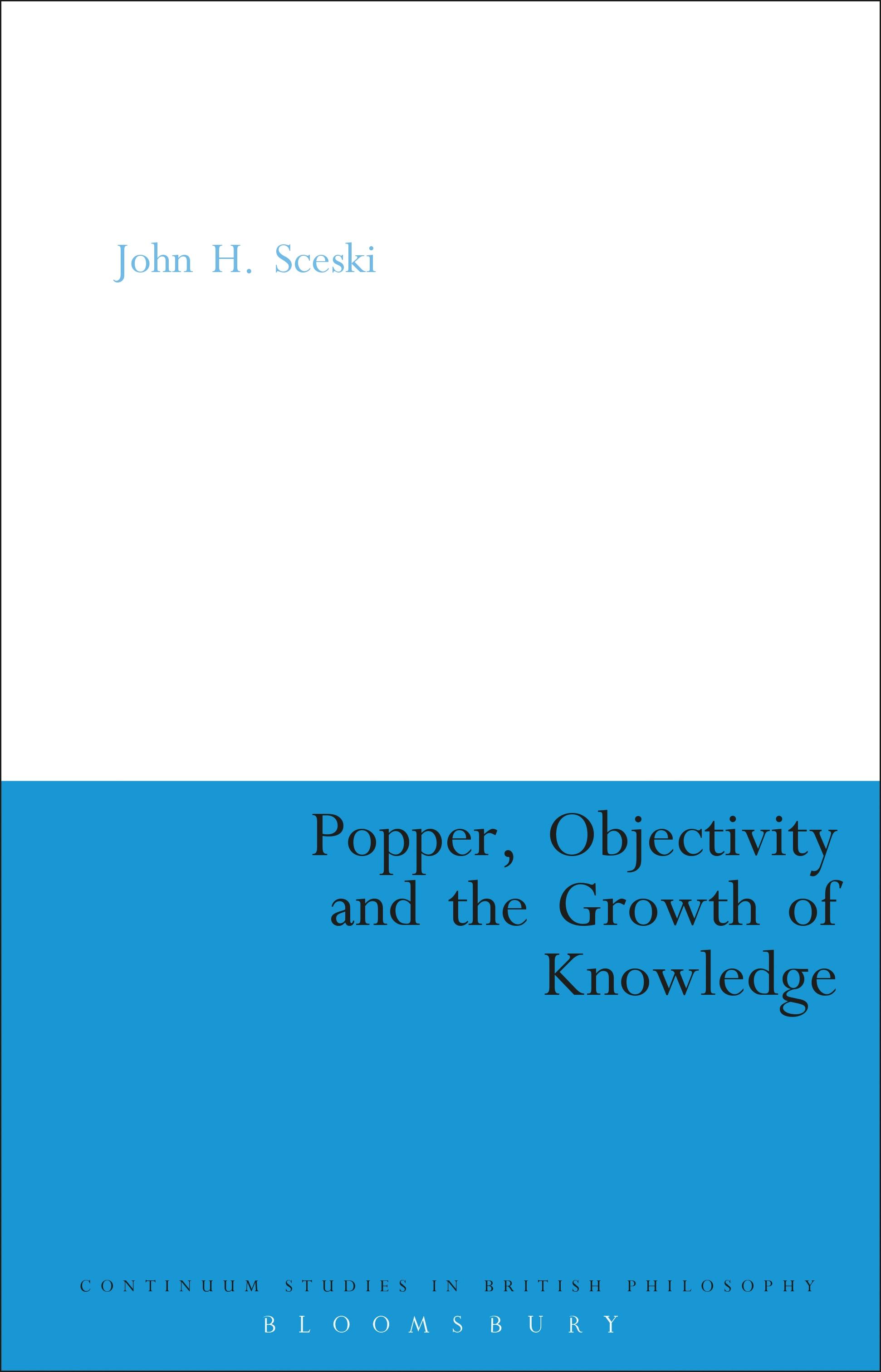
John H. Sceski argues that Karl Popper's philosophy offers a radical treatment of objectivity that can reconcile freedom and progress in a manner that preserves the best elements of the Enlightenment tradition. His book traces the development of Popper's account of objectivity by examining his original contributions to key issues in the philosophy of science. Popper's early confrontation with logical positivism, his rarely discussed four-fold treatment of the problem of induction, and his theory of propensities and evolutionary epistemology are linked in a novel way to produce a coherent and philosophically relevant picture of objectivity. Sceski also explores and clarifies many central issues in the philosophy of science such as probabilistic support, verisimilitude, and the relationship between special relativity and indeterminism. He concludes that Popper's account of objectivity can best bridge the gap between Enlightenment aims for science and freedom and post-modern misgivings about 'truth', by developing a philosophy that is non-foundationalist yet able to account for the growth of knowledge.
Pages: 174
Category: Vetenskapsteori och forskningsmetod
e-ISBN: 9781441144379
Shipping weight: 1.2 kg
Ships in: 1-2 days
Pay easily by card, Klarna, Apple Pay or Google Pay. Not happy? You always have a 14-day money-back guarantee. Read more in our terms. If you have any questions, email us at hello@memmo.org.
Memmo makes studying easier – wherever you are in the world. We bring your course books and smart study tools together in one place: summaries, quizzes, podcasts and flashcards. Plus Ted, your study buddy who answers anything you wonder. Over 50,000 students already study here – built to help you learn faster and stress less.