
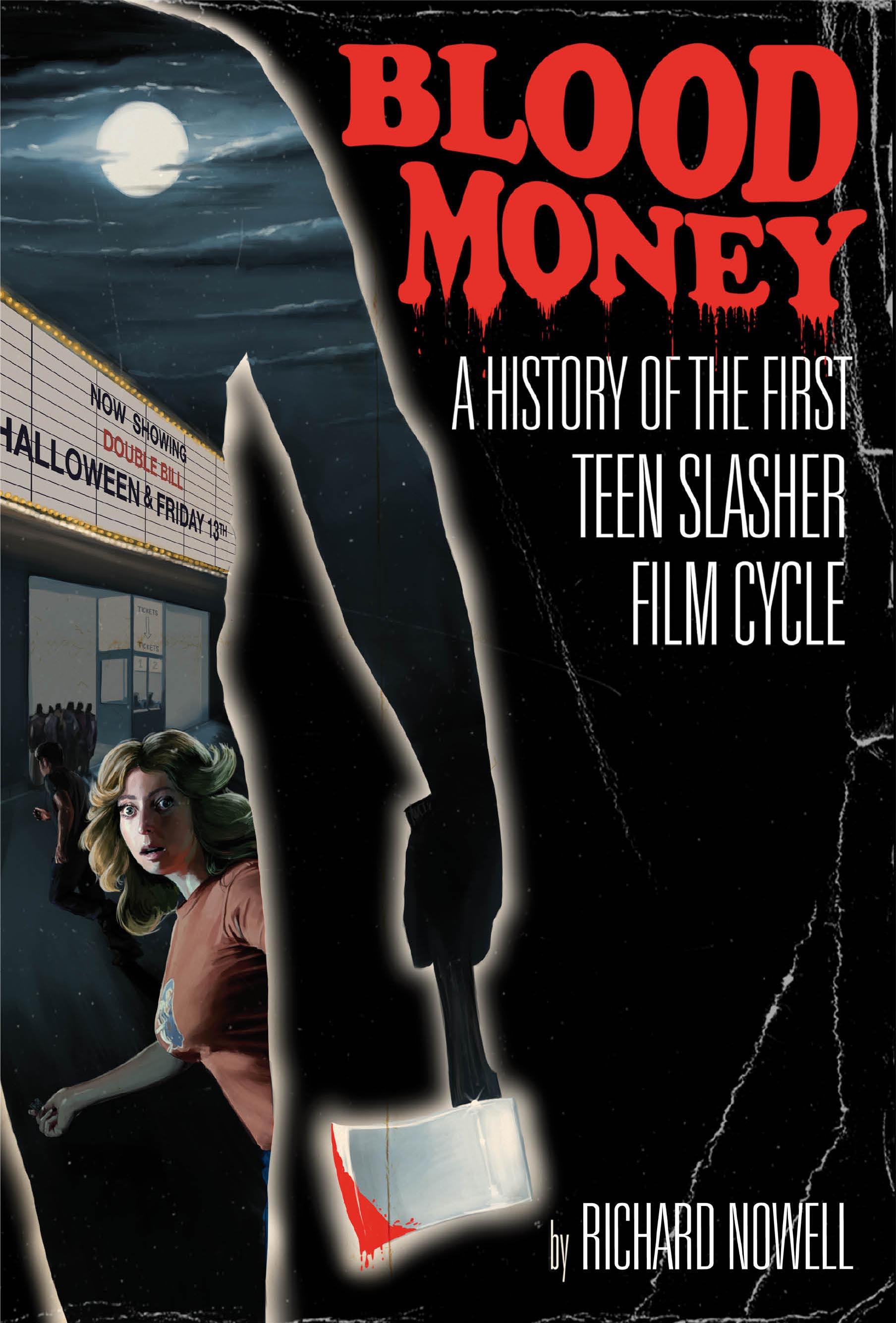
Scholars have consistently applied psychoanalytic models to representations of gender in early teen slasher films such as Black Christmas (1974), Halloween (1978) and Friday the 13th (1980) in order to claim that these were formulaic, excessively violent exploitation films, fashioned to satisfy the misogynist fantasies of teenage boys and grind house patrons. However, by examining the commercial logic, strategies and objectives of the American and Canadian independents that produced the films and the companies that distributed them in the US, Blood Money demonstrates that filmmakers and marketers actually went to extraordinary lengths to make early teen slashers attractive to female youth, to minimize displays of violence, gore and suffering and to invite comparisons to a wide range of post-classical Hollywood's biggest hits; including Love Story (1970), The Exorcist (1973), Saturday Night Fever (1977), Grease and Animal House (both 1978).
Blood Money is a remarkable piece of scholarship that highlights the many forces that helped establish the teen slasher as a key component of the North American film industry's repertoire of youth-market product.
Blood Money is a remarkable piece of scholarship that highlights the many forces that helped establish the teen slasher as a key component of the North American film industry's repertoire of youth-market product.
Pay easily by card, Klarna, Apple Pay or Google Pay. Not happy? You always have a 14-day money-back guarantee. Read more in our terms. If you have any questions, email us at hello@memmo.org.
Memmo makes studying easier – wherever you are in the world. We bring your course books and smart study tools together in one place: summaries, quizzes, podcasts and flashcards. Plus Ted, your study buddy who answers anything you wonder. Over 50,000 students already study here – built to help you learn faster and stress less.