
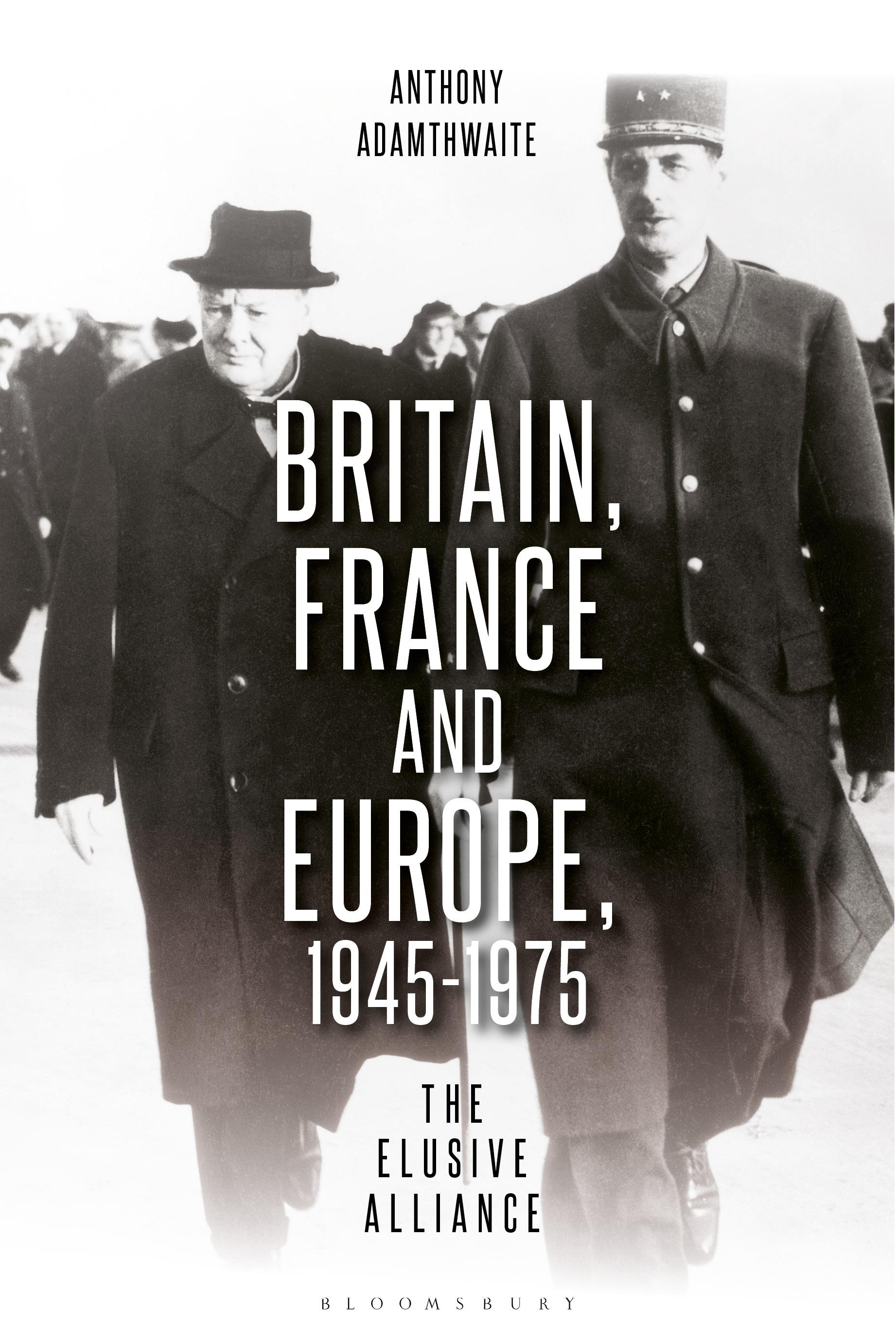
Britain, France and Europe, 1945-1975 takes a fresh look at the international trajectories of Europe's premier democracies. The side-lining of Britain and France in the Cold War era, argues Adamthwaite, was preventable. A Franco-British Europe came within a whisker of realization. Condemning President Charles de Gaulle as an intransigent gatekeeper created a convenient alibi for self-inflicted missteps. UK bids for European Community membership ignored the elephant in the room - the need for partnership in a superpower age. A marriage powering the Community could have repositioned Western Europe as partner, not client of the United States.
Although perceived as a failing power, France outperformed Britain - seizing the initiative in European construction, and winning primacy in western Europe. As well as exploring sharply contrasting national experiences in the aftermath of war, the author analyses the reasons for French success. The analysis evaluates key influences: the mental maps of decision makers; leadership styles; the post-1945 international system; policy making machinery; the 'democratic deficit' in British and French politics; and public opinion.
Drawing on American, British and French official records, together with private papers and interviews, this enlightening study highlights the importance of contingency and individual actors, and will be of great interest to scholars of modern European history.
Although perceived as a failing power, France outperformed Britain - seizing the initiative in European construction, and winning primacy in western Europe. As well as exploring sharply contrasting national experiences in the aftermath of war, the author analyses the reasons for French success. The analysis evaluates key influences: the mental maps of decision makers; leadership styles; the post-1945 international system; policy making machinery; the 'democratic deficit' in British and French politics; and public opinion.
Drawing on American, British and French official records, together with private papers and interviews, this enlightening study highlights the importance of contingency and individual actors, and will be of great interest to scholars of modern European history.
Pay easily by card, Klarna, Apple Pay or Google Pay. Not happy? You always have a 14-day money-back guarantee. Read more in our terms. If you have any questions, email us at hello@memmo.org.
Memmo makes studying easier – wherever you are in the world. We bring your course books and smart study tools together in one place: summaries, quizzes, podcasts and flashcards. Plus Ted, your study buddy who answers anything you wonder. Over 50,000 students already study here – built to help you learn faster and stress less.