
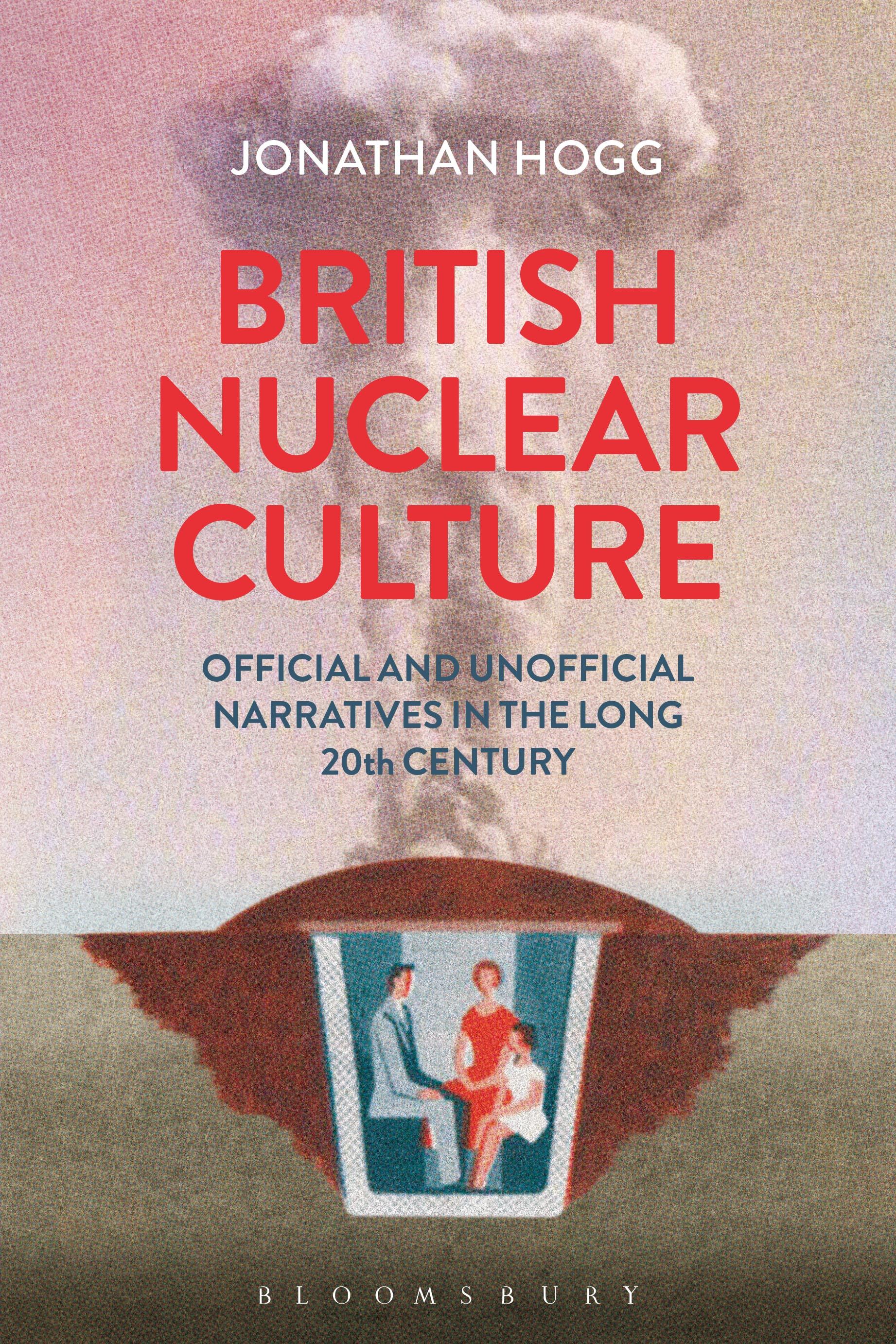
The advent of the atomic bomb, the social and cultural impact of nuclear science, and the history of the British nuclear state after 1945 is a complex and contested story. British Nuclear Culture is an important survey that offers a new interpretation of the nuclear century by tracing the tensions between 'official' and 'unofficial' nuclear narratives in British culture.
In this book, Jonathan Hogg argues that nuclear culture was a pervasive and persistent aspect of British life, particularly in the years following 1945. This idea is illustrated through detailed analysis of various primary source materials, such as newspaper articles, government files, fictional texts, film, music and oral testimonies. The book introduces unfamiliar sources to students of nuclear and cold war history, and offers in-depth and critical reflections on the expanding historiography in this area of research.
Chronologically arranged, British Nuclear Culture reflects upon, and returns to, a number of key themes throughout, including nuclear anxiety, government policy, civil defence, 'nukespeak' and nuclear subjectivity, individual experience, protest and resistance, and the influence of the British nuclear state on everyday life. The book contains illustrations, individual case studies, a select bibliography, a timeline, and a list of helpful online resources for students of nuclear history.
In this book, Jonathan Hogg argues that nuclear culture was a pervasive and persistent aspect of British life, particularly in the years following 1945. This idea is illustrated through detailed analysis of various primary source materials, such as newspaper articles, government files, fictional texts, film, music and oral testimonies. The book introduces unfamiliar sources to students of nuclear and cold war history, and offers in-depth and critical reflections on the expanding historiography in this area of research.
Chronologically arranged, British Nuclear Culture reflects upon, and returns to, a number of key themes throughout, including nuclear anxiety, government policy, civil defence, 'nukespeak' and nuclear subjectivity, individual experience, protest and resistance, and the influence of the British nuclear state on everyday life. The book contains illustrations, individual case studies, a select bibliography, a timeline, and a list of helpful online resources for students of nuclear history.
Pay easily by card, Klarna, Apple Pay or Google Pay. Not happy? You always have a 14-day money-back guarantee. Read more in our terms. If you have any questions, email us at hello@memmo.org.
Memmo makes studying easier – wherever you are in the world. We bring your course books and smart study tools together in one place: summaries, quizzes, podcasts and flashcards. Plus Ted, your study buddy who answers anything you wonder. Over 50,000 students already study here – built to help you learn faster and stress less.