
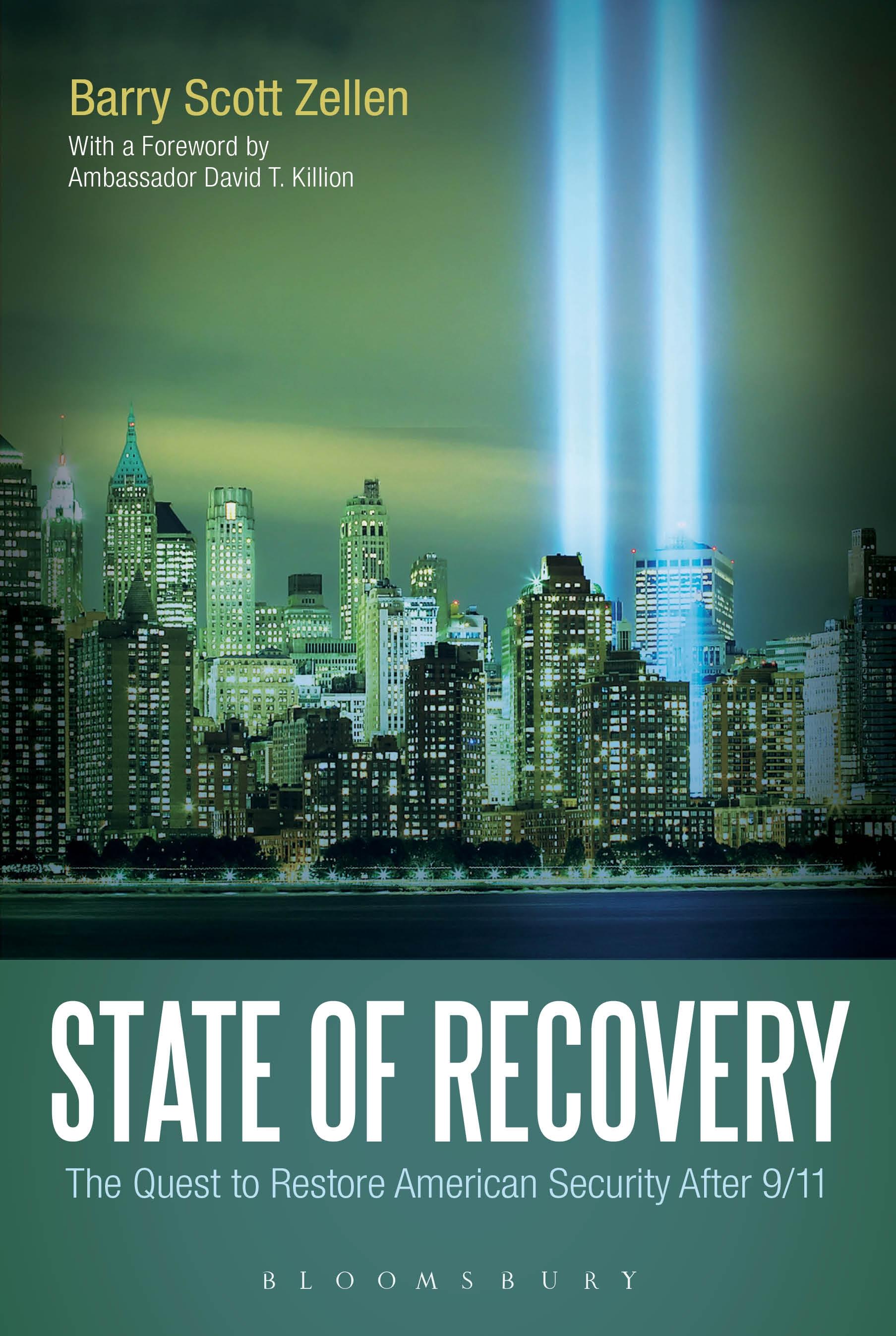
In the decade that followed 9/11, technologies and technology policies became central to homeland security. For example, the U.S. erected new border defenses with remote sensors and biometric scanners, and deployed new autonomous air warfare capabilities, such as the drone program. Looking at efforts to restore security after 9/11, the work examines issues such as the rise in technology spending, the various scenarios of mass terror, and America's effort to ensure that future engagements will take place far from the homeland. Operation Iraqi Freedom, Iran's emergence as nuclear threat, and North Korea's acceleration of its missile program are analyzed along with the "axis of evil" and America's effort to create a ballistic missile shield to thwart this emerging threat to its security. By focusing on the technologies of homeland security rather than on cyber warfare itself, the work offers a unique and needed survey that will appeal to anyone involved with the study and development of homeland and strategic security.
Pay easily by card, Klarna, Apple Pay or Google Pay. Not happy? You always have a 14-day money-back guarantee. Read more in our terms. If you have any questions, email us at hello@memmo.org.
Memmo makes studying easier – wherever you are in the world. We bring your course books and smart study tools together in one place: summaries, quizzes, podcasts and flashcards. Plus Ted, your study buddy who answers anything you wonder. Over 50,000 students already study here – built to help you learn faster and stress less.