
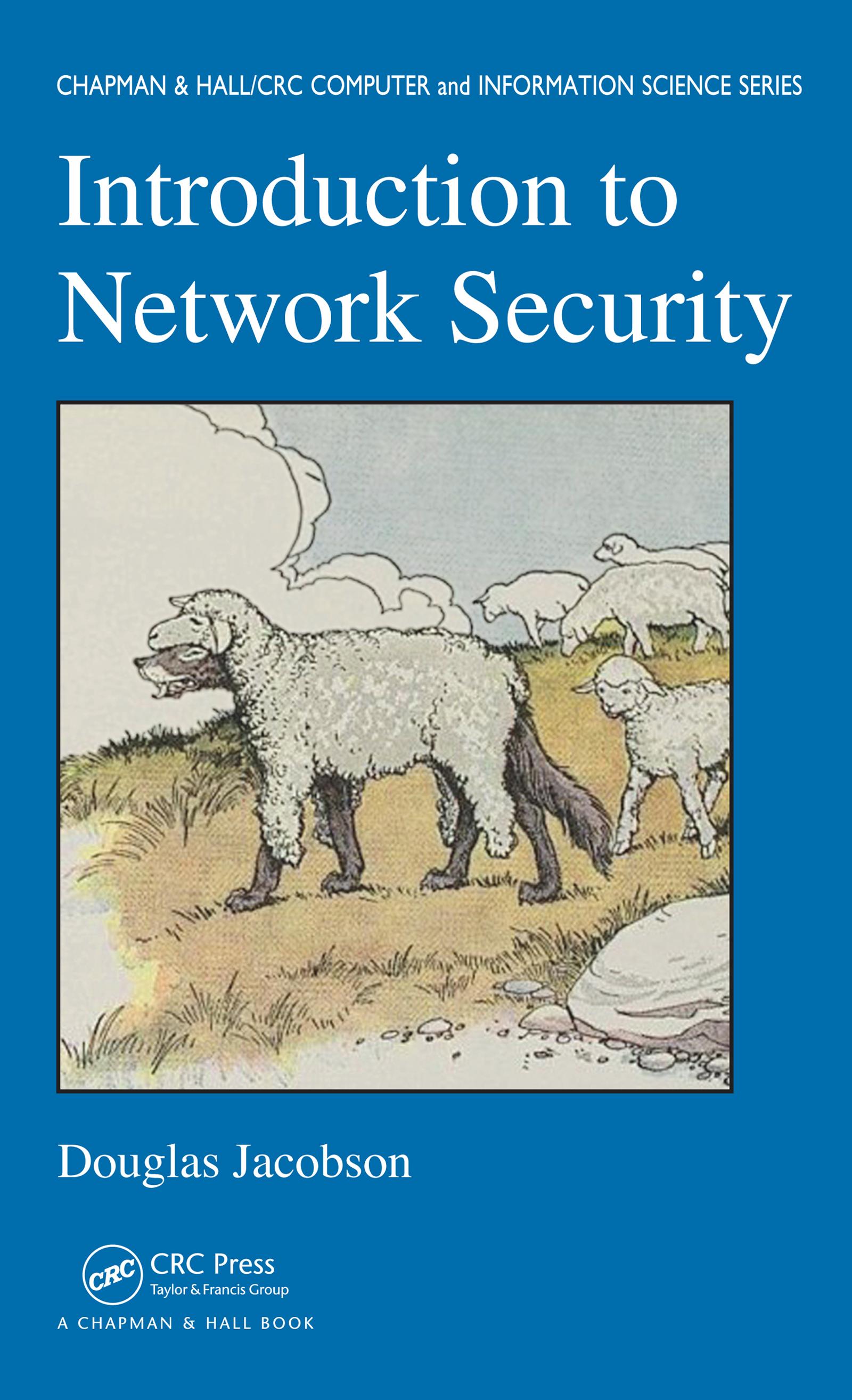
Unlike data communications of the past, today’s networks consist of numerous devices that handle the data as it passes from the sender to the receiver. However, security concerns are frequently raised in circumstances where interconnected computers use a network not controlled by any one entity or organization. Introduction to Network Security examines various network protocols, focusing on vulnerabilities, exploits, attacks, and methods to mitigate an attack.
The book begins with a brief discussion of network architectures and the functions of layers in a typical network. It then examines vulnerabilities and attacks divided into four categories: header-, protocol-, authentication-, and traffic-based. The author next explores the physical, network, and transport layers of each network as well as the security of several common network applications. The last section recommends several network-based security solutions that can be successfully deployed.
This book uses a define-attack-defend methodology for network security. The author briefly introduces the relevant protocols and follows up with detailed descriptions of known vulnerabilities and possible attack methods. He delineates the threats against the protocol and presents possible solutions. Sample problems and lab experiments based on the concepts allow readers to experiment with attacks and assess the effectiveness of solutions. Two appendices provide further clarification and a companion website is offered which supplements the material.
While most of the books available on this subject focus solely on cryptographic techniques to mitigate attacks, this volume recognizes the limitations of this methodology and considers a wider range of security problems and solutions. By focusing on a practical view of network security and examining actual protocols, readers can better understand the vulnerabilities and develop appropriate countermeasures.
Pay easily by card, Klarna, Apple Pay or Google Pay. Not happy? You always have a 14-day money-back guarantee. Read more in our terms. If you have any questions, email us at hello@memmo.org.
Memmo makes studying easier – wherever you are in the world. We bring your course books and smart study tools together in one place: summaries, quizzes, podcasts and flashcards. Plus Ted, your study buddy who answers anything you wonder. Over 75,000 students already study here – built to help you learn faster and stress less.