
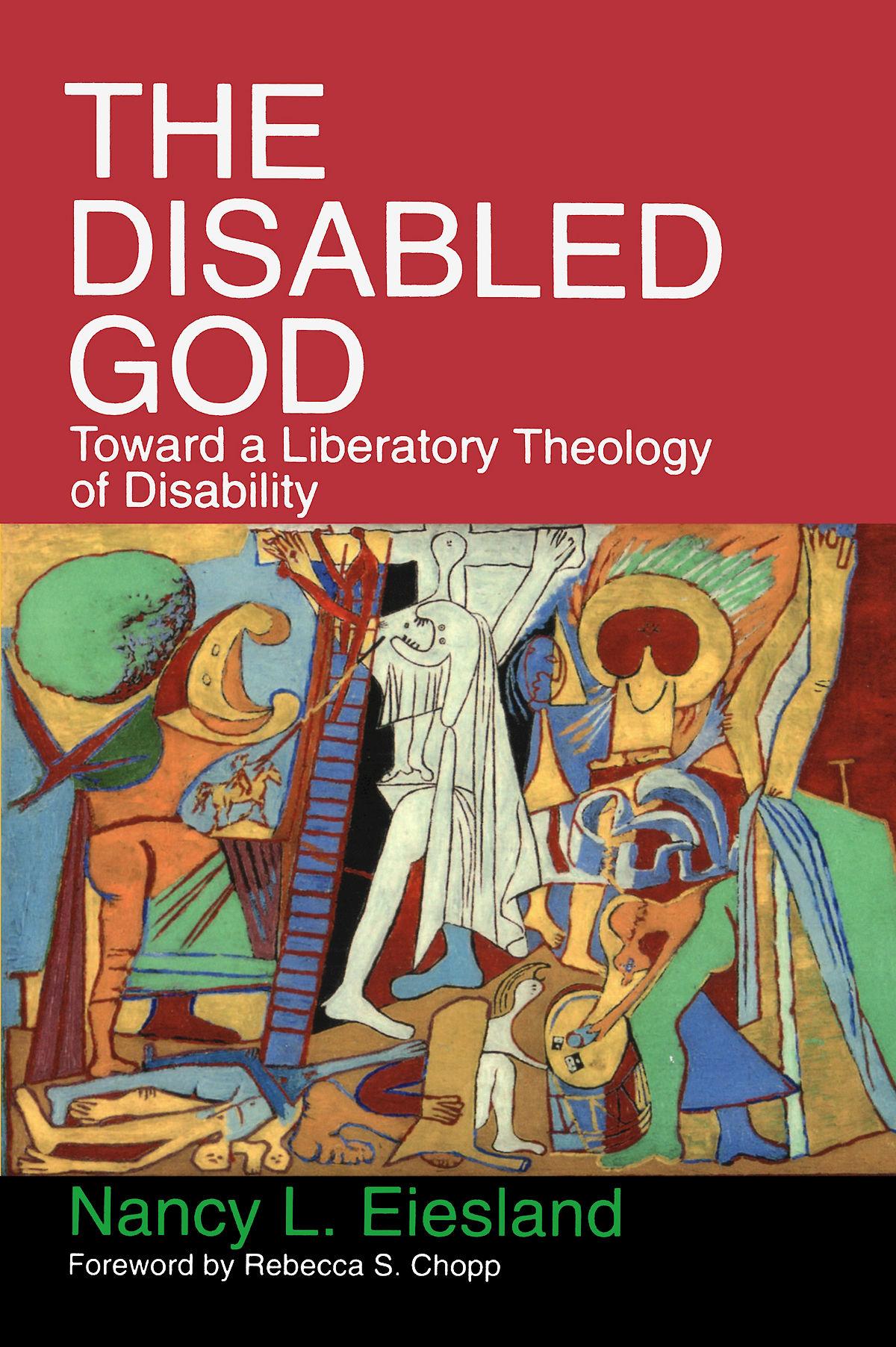
Draws on themes of the disability-rights movement to identify people with disabilities as members of a socially disadvantaged minority group rather than as individuals who need to adjust. Highlights the hidden history of people with disabilities in church and society. Proclaiming the emancipatory presence of the disabled God, the author maintains the vital importance of the relationship between Christology and social change. Eiesland contends that in the Eucharist, Christians encounter the disabled God and may participate in new imaginations of wholeness and new embodiments of justice.
Pay easily by card, Klarna, Apple Pay or Google Pay. Not happy? You always have a 14-day money-back guarantee. Read more in our terms. If you have any questions, email us at hello@memmo.org.
Memmo makes studying easier – wherever you are in the world. We bring your course books and smart study tools together in one place: summaries, quizzes, podcasts and flashcards. Plus Ted, your study buddy who answers anything you wonder. Over 50,000 students already study here – built to help you learn faster and stress less.
You might also like
Buy the book0