
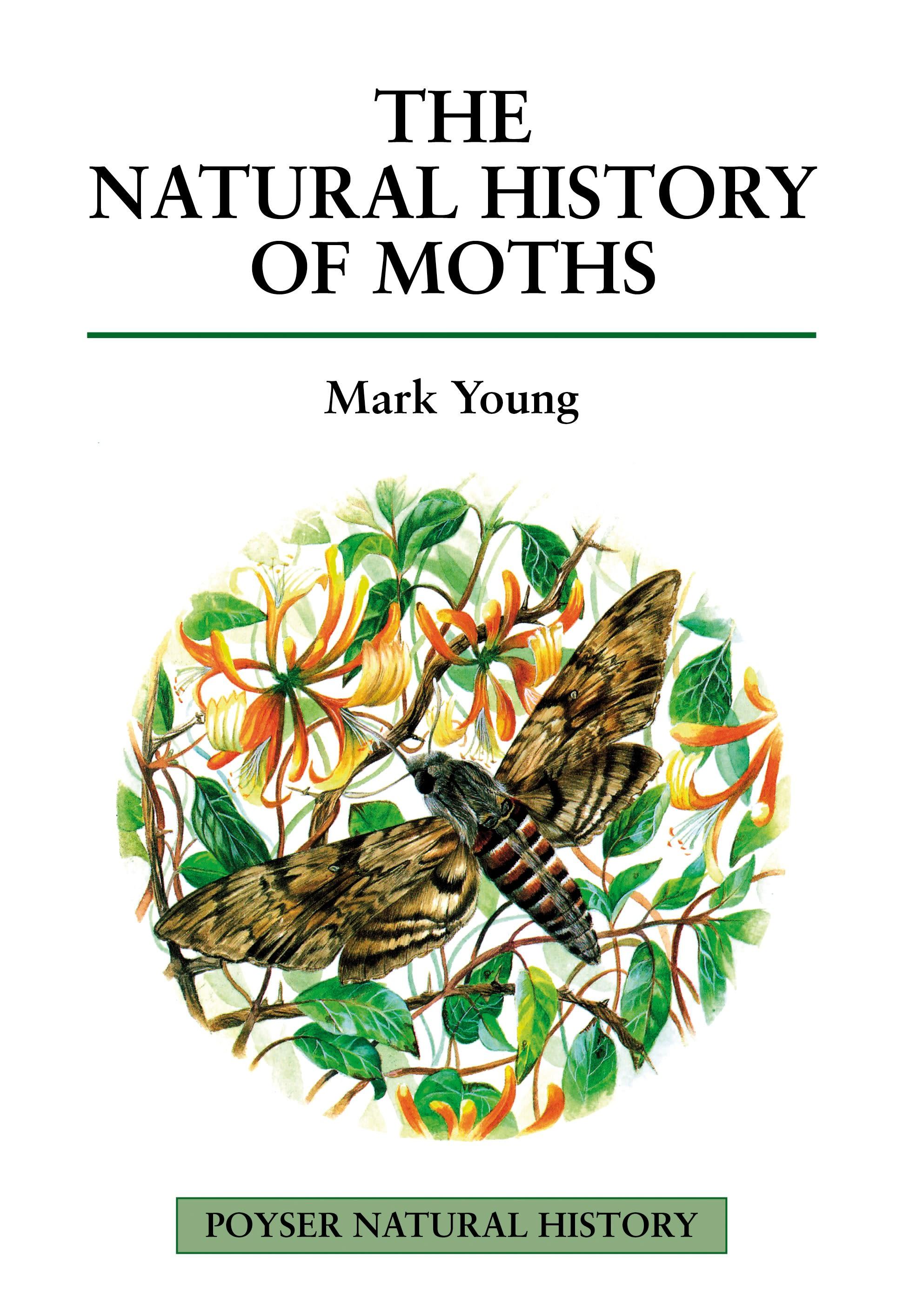
The Natural History of Moths covers all aspects of moth biology and ecology.
Moths are often as beautiful as butterflies, and with more than 2,000 species on the British list they are more numerous, more diverse and occupy a far wider variety of habitats and lifestyles. Yet for most naturalists they remain a little-known and neglected group. Not since E. B. Ford's 1955 New Naturalist volume has the biology of moths been treated in a popular book. Here, Mark Young sets out to redress this imbalance and to show the great variety and interest of these sometimes striking, sometimes subtle insects. He draws together the results of amateur study and the latest scientific research to paint a broad picture of all aspects of moth biology, brought to life with many fascinating examples from the moth faunas of Britain and abroad.
The breeding, feeding, distribution and life-history ecology of moths are described, in addition to more specialised aspects of their biology, such as pheromone atraction of mates, interactions with host plants, and the anti-predator responses that many moths use to foil bats and birds.
While butterfly conservation problems have often provided headline news in the press, the difficulties facing moths have received much less attention. However, threats arising from the loss and degradation of natural habitats have had no less effect on moths, and have endangered many more species. The status and fortunes of many moths are still unknown, but a growing number of success stories. such as that of the Black-veined Moth, point the way to better practice for the future, and to the preservation of this enormous wealth of beauty, diversity and natural history interest.
Moths are often as beautiful as butterflies, and with more than 2,000 species on the British list they are more numerous, more diverse and occupy a far wider variety of habitats and lifestyles. Yet for most naturalists they remain a little-known and neglected group. Not since E. B. Ford's 1955 New Naturalist volume has the biology of moths been treated in a popular book. Here, Mark Young sets out to redress this imbalance and to show the great variety and interest of these sometimes striking, sometimes subtle insects. He draws together the results of amateur study and the latest scientific research to paint a broad picture of all aspects of moth biology, brought to life with many fascinating examples from the moth faunas of Britain and abroad.
The breeding, feeding, distribution and life-history ecology of moths are described, in addition to more specialised aspects of their biology, such as pheromone atraction of mates, interactions with host plants, and the anti-predator responses that many moths use to foil bats and birds.
While butterfly conservation problems have often provided headline news in the press, the difficulties facing moths have received much less attention. However, threats arising from the loss and degradation of natural habitats have had no less effect on moths, and have endangered many more species. The status and fortunes of many moths are still unknown, but a growing number of success stories. such as that of the Black-veined Moth, point the way to better practice for the future, and to the preservation of this enormous wealth of beauty, diversity and natural history interest.
Pay easily by card, Klarna, Apple Pay or Google Pay. Not happy? You always have a 14-day money-back guarantee. Read more in our terms. If you have any questions, email us at hello@memmo.org.
Memmo makes studying easier – wherever you are in the world. We bring your course books and smart study tools together in one place: summaries, quizzes, podcasts and flashcards. Plus Ted, your study buddy who answers anything you wonder. Over 50,000 students already study here – built to help you learn faster and stress less.