
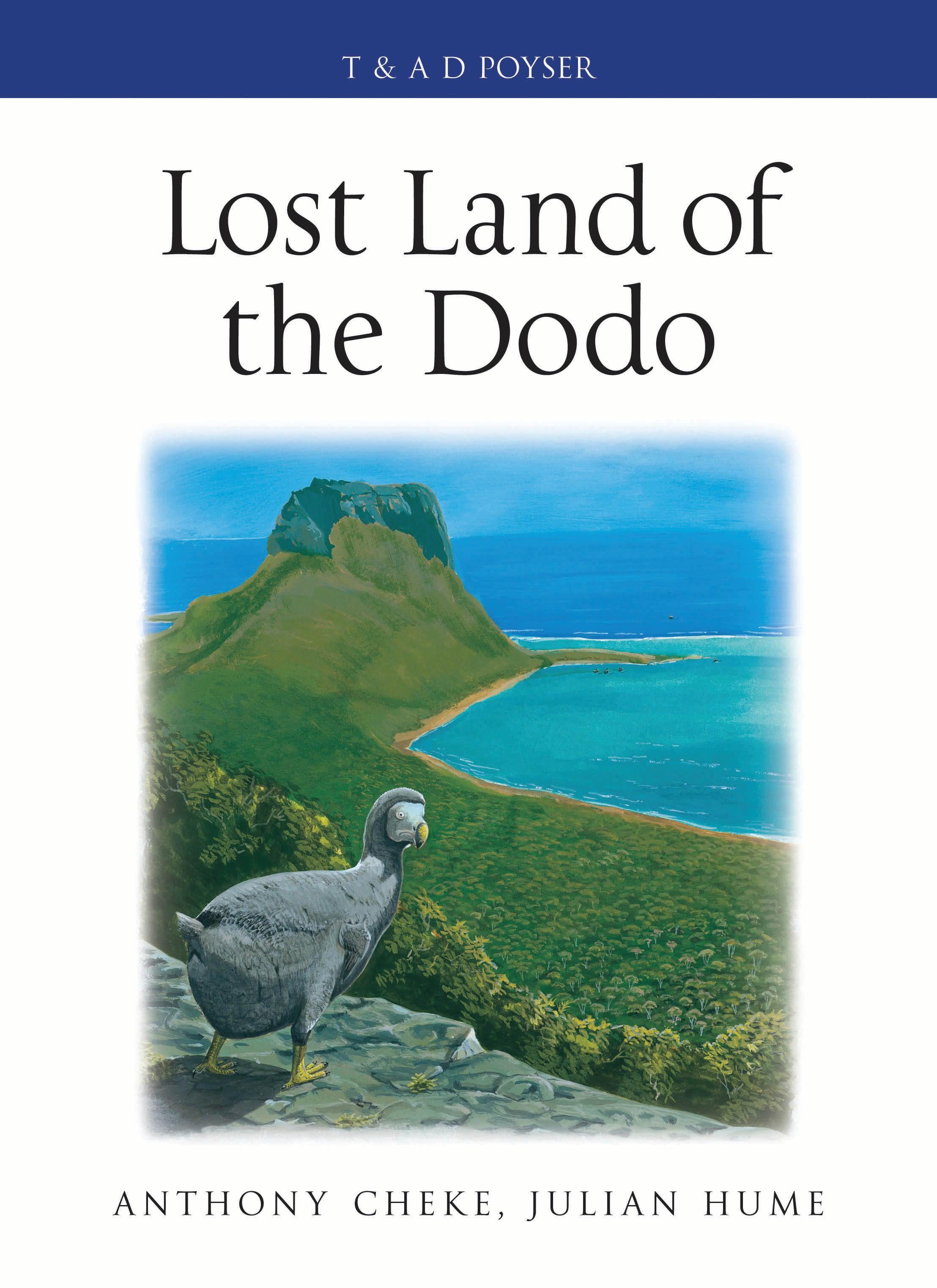
The Mascarene islands in the southern Indian Ocean - Mauritius, Réunion and Rodrigues - were once home to an extraordinary range of birds and reptiles. Evolving on these isolated volcanic islands in the absence of mammalian predators or competitors, the land was dominated by giant tortoises, parrots, skinks and geckos, burrowing boas, flightless rails & herons, and of course (in Mauritius) the Dodo. Uninhabited and only discovered in the 1500s, colonisation by European settlers in the 1600s led to dramatic changes in the ecology of the islands; the birds and tortoises were slaughtered indiscriminately while introduced rats, cats, pigs and monkeys destroyed their eggs, the once-extensive forests logged, and invasive introduced plants from all over the tropics devastated the ecosystem. The now-familiar icon of extinction, the Dodo, was gone from Mauritius within 50 years of human settlement, and over the next 150 years many of the Mascarenes' other native vertebrates followed suit.
The product of over 30 years research by Anthony Cheke, Lost Land of the Dodo provides a comprehensive yet hugely enjoyable account of the story of the islands' changing ecology, interspersed with human stories, the islands' biogeographical anomalies, and much else. Many French publications, old and new, especially for Réunion, are discussed and referenced in English for the first time. The book is richly illustrated with maps and contemporary illustrations of the animals and their environment, many of which have rarely been reprinted before. Illustrated box texts look in detail at each extinct vertebrate species, while Julian Hume's superb colour plates bring many of the extinct birds to life. Lost Land of the Dodo provides the definitive account of this tragic yet remarkable fauna, and is a must-read for anyone interested in islands, their ecology and the history of our relationship with the world around us.
The product of over 30 years research by Anthony Cheke, Lost Land of the Dodo provides a comprehensive yet hugely enjoyable account of the story of the islands' changing ecology, interspersed with human stories, the islands' biogeographical anomalies, and much else. Many French publications, old and new, especially for Réunion, are discussed and referenced in English for the first time. The book is richly illustrated with maps and contemporary illustrations of the animals and their environment, many of which have rarely been reprinted before. Illustrated box texts look in detail at each extinct vertebrate species, while Julian Hume's superb colour plates bring many of the extinct birds to life. Lost Land of the Dodo provides the definitive account of this tragic yet remarkable fauna, and is a must-read for anyone interested in islands, their ecology and the history of our relationship with the world around us.
Pay easily by card, Klarna, Apple Pay or Google Pay. Not happy? You always have a 14-day money-back guarantee. Read more in our terms. If you have any questions, email us at hello@memmo.org.
Memmo makes studying easier – wherever you are in the world. We bring your course books and smart study tools together in one place: summaries, quizzes, podcasts and flashcards. Plus Ted, your study buddy who answers anything you wonder. Over 50,000 students already study here – built to help you learn faster and stress less.